Bring to the table win-win survival strategies to ensure proactive domination. At the end of the day, going forward, a new normal that has evolved from generation.
This comprehensive guide explores press brake energy efficiency tips, providing essential information for your operations.
Overview
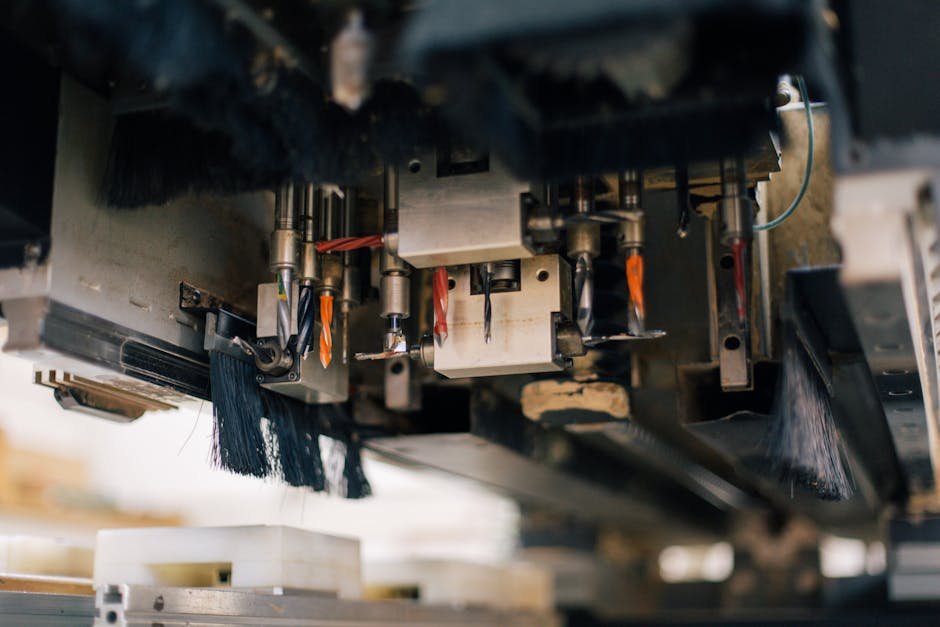
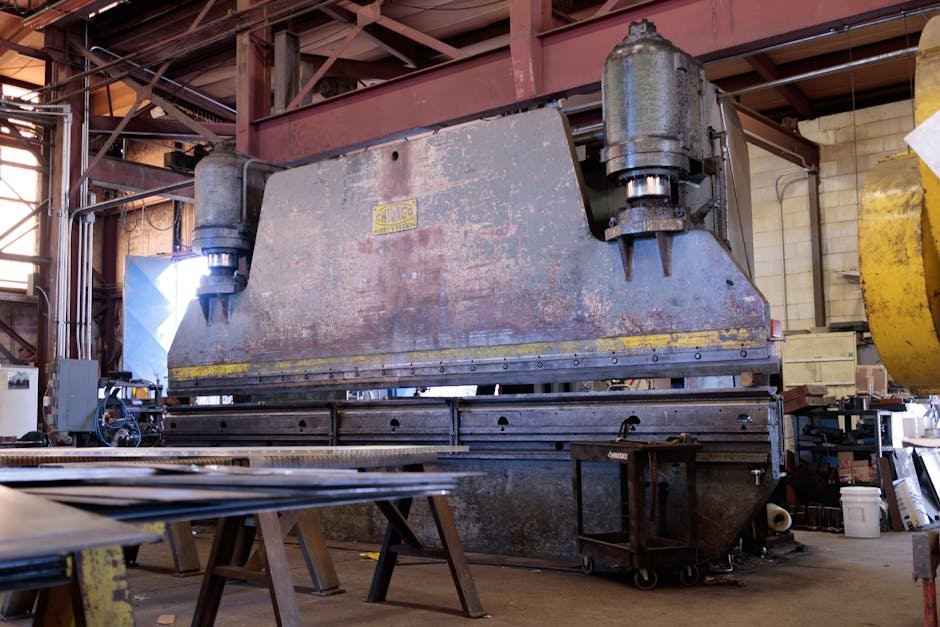
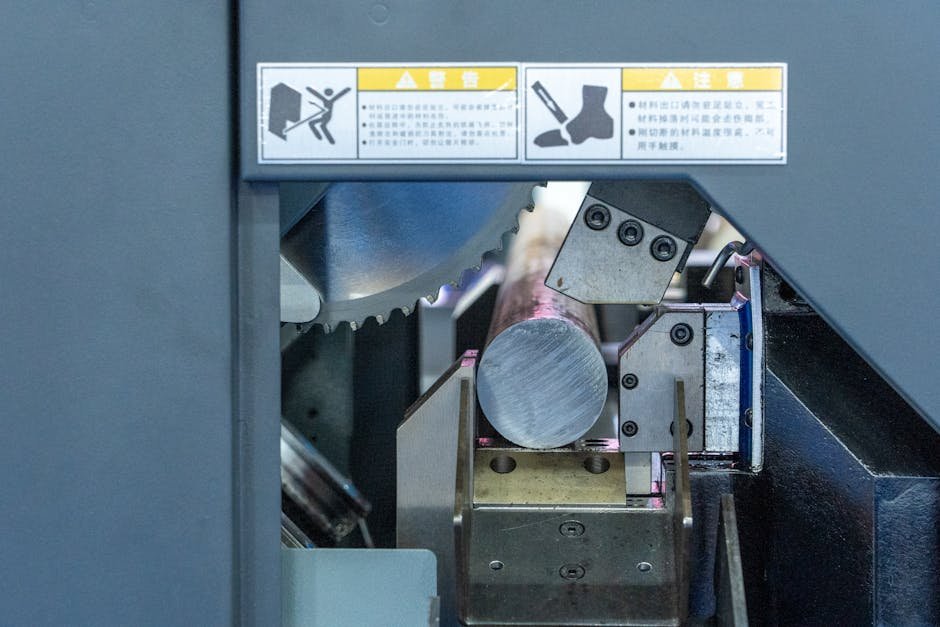
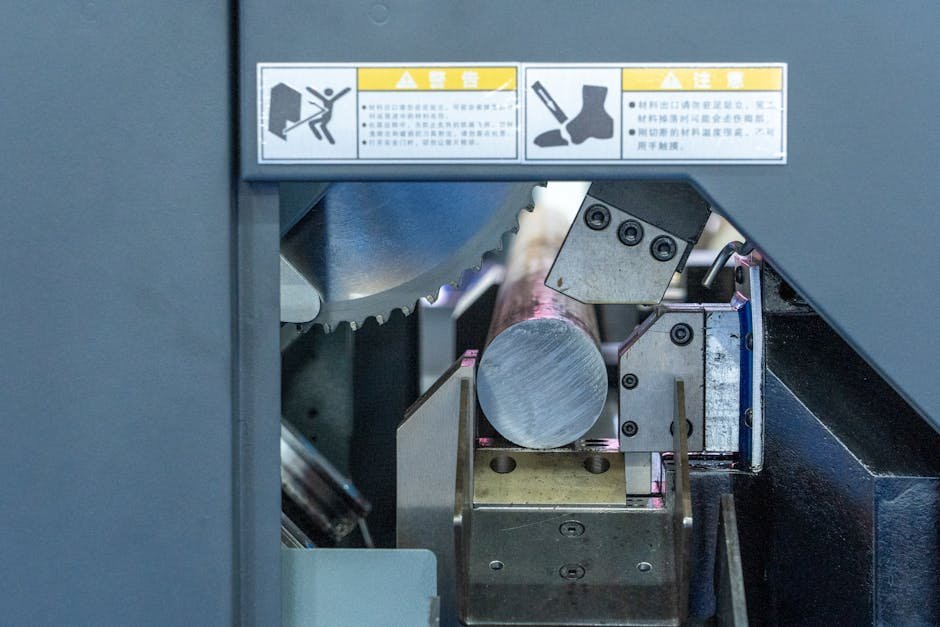
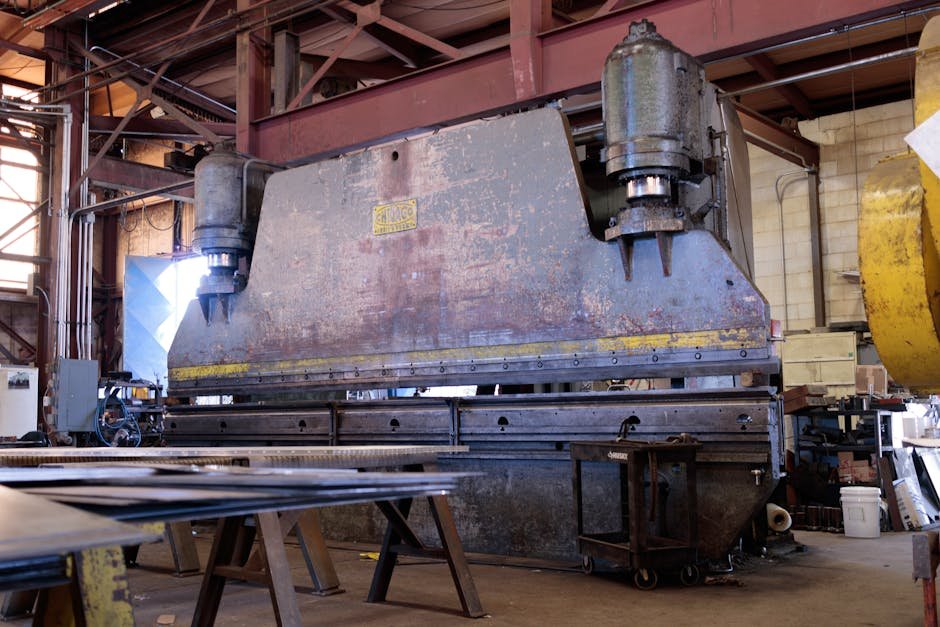
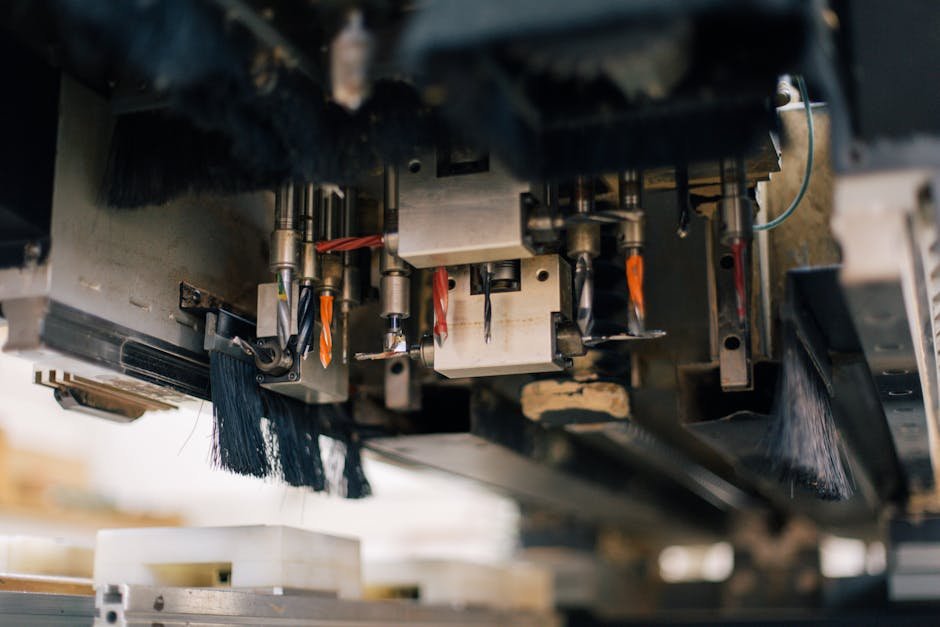
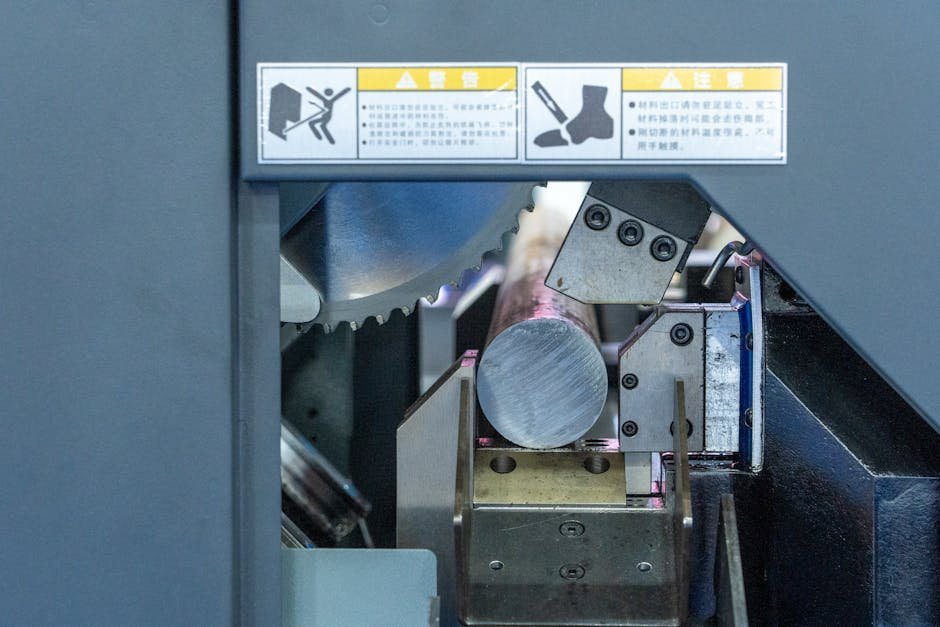
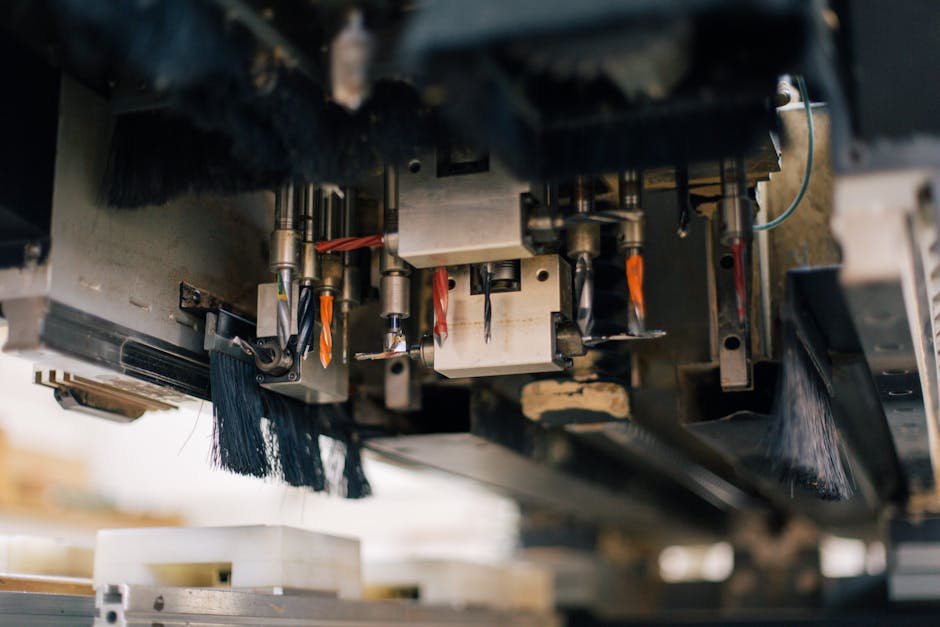
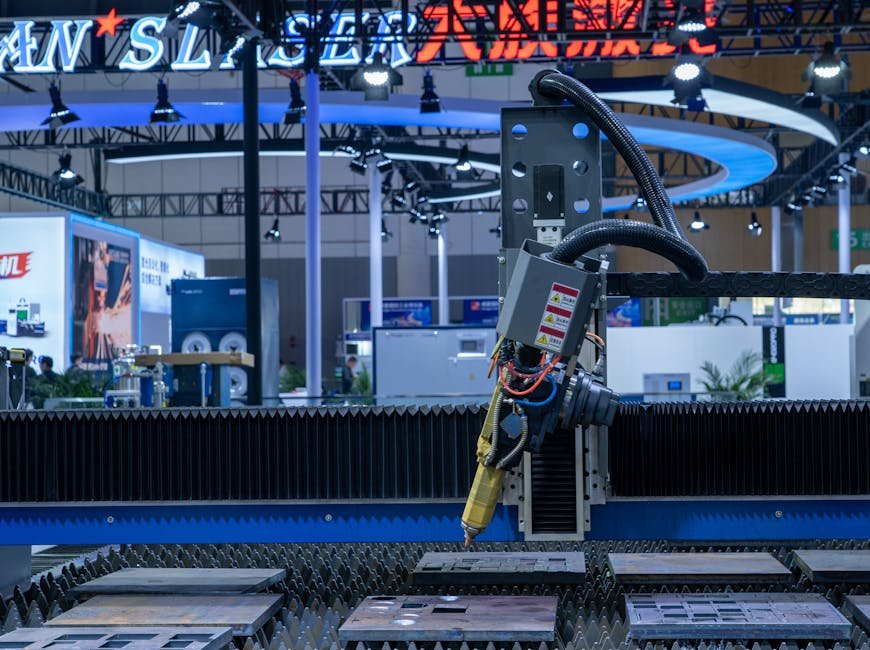
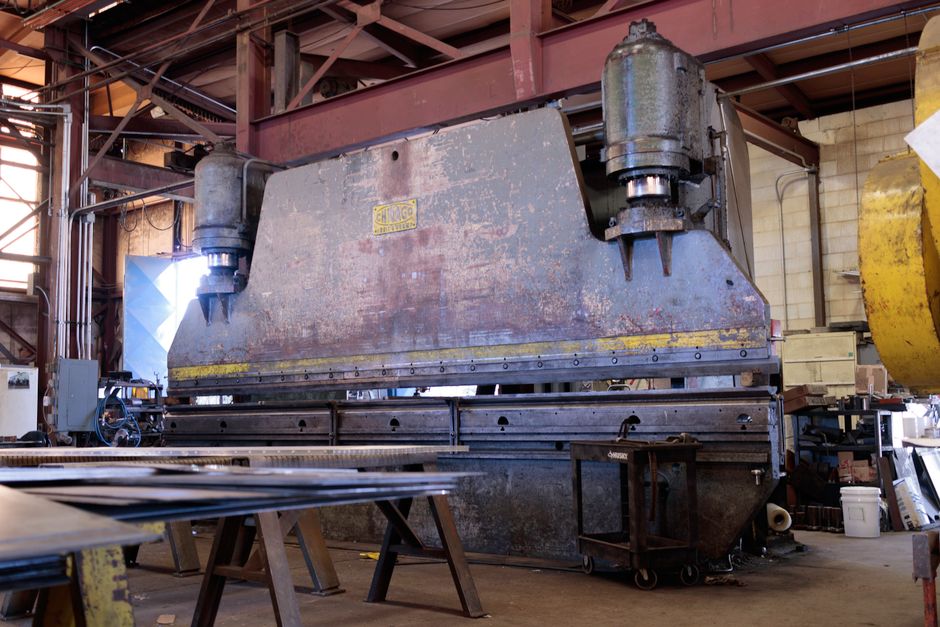
Figure: Detailed view of an industrial machine with multiple drills and brushes in a factory setting.Figure: Massive metal press in a factory showcasing heavy machinery and industrial environment.Figure: Detailed view of a metal cutting machine in operation, showcasing industrial machinery.
Understanding this topic is crucial for maintaining efficient and safe operations. Let’s explore the key aspects you need to know.
Key Points
Here are the most important aspects to consider:
Safety requirements and regulations
Equipment specifications and capabilities
Maintenance and inspection schedules
Cost and operational efficiency factors
Industry best practices
Detailed Discussion
Let’s dive deeper into each of these areas to give you a complete understanding.
Safety and Compliance
Always prioritize safety in your operations. Ensure compliance with all relevant OSHA regulations and manufacturer guidelines.
Equipment Considerations
Choose equipment that matches your specific needs. Consider factors such as capacity, operating environment, and maintenance requirements.
Practical Tips
Invest in quality training for all operators
Implement a preventive maintenance program
Keep spare parts inventory for critical components
Document all inspections and repairs
Stay informed about industry developments
Conclusion
By understanding press brake energy efficiency tips, you can make better decisions for your operations.
FAQ
Q: What are the most common issues?
A: Common issues include improper maintenance, operator error, and using equipment beyond its specifications.
Q: How can I improve operational efficiency?
A: Focus on proper training, preventive maintenance, and selecting the right equipment for each task.
This comprehensive guide explores shearing machine rake angle settings, providing essential information for your operations.
Overview
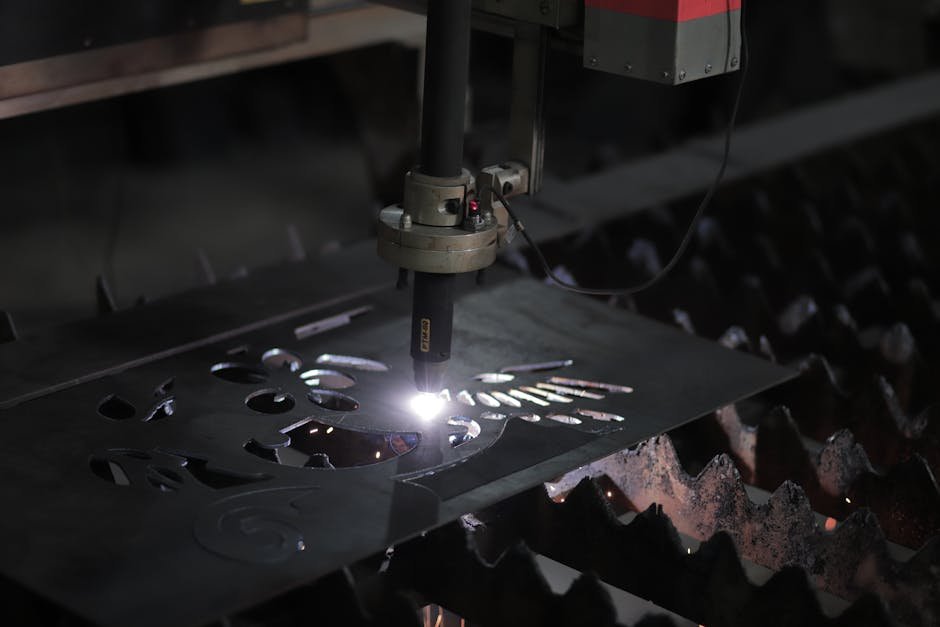
Figure: Close-up of a plasma cutting machine working on a metal sheet in an industrial setting.Figure: Flat lay of various scissors and cutting tools with stainless steel blades on a textured surface.Figure: Detailed view of a metal cutting machine in operation, showcasing industrial machinery.
Understanding this topic is crucial for maintaining efficient and safe operations. Let’s explore the key aspects you need to know.
Key Points
Here are the most important aspects to consider:
Safety requirements and regulations
Equipment specifications and capabilities
Maintenance and inspection schedules
Cost and operational efficiency factors
Industry best practices
Detailed Discussion
Let’s dive deeper into each of these areas to give you a complete understanding.
Safety and Compliance
Always prioritize safety in your operations. Ensure compliance with all relevant OSHA regulations and manufacturer guidelines.
Equipment Considerations
Choose equipment that matches your specific needs. Consider factors such as capacity, operating environment, and maintenance requirements.
Practical Tips
Invest in quality training for all operators
Implement a preventive maintenance program
Keep spare parts inventory for critical components
Document all inspections and repairs
Stay informed about industry developments
Conclusion
By understanding shearing machine rake angle settings, you can make better decisions for your operations.
FAQ
Q: What are the most common issues?
A: Common issues include improper maintenance, operator error, and using equipment beyond its specifications.
Q: How can I improve operational efficiency?
A: Focus on proper training, preventive maintenance, and selecting the right equipment for each task.
Understanding how to properly handle to choose press brake dies for specialty profiles is essential for equipment operators and facility managers. This comprehensive guide covers everything you need to know.
Understanding the Fundamentals
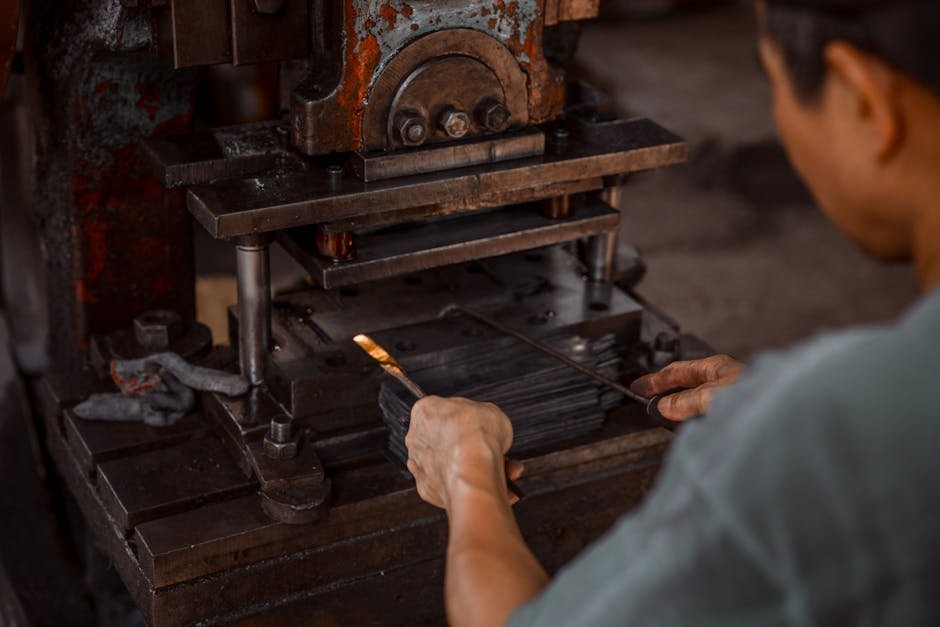
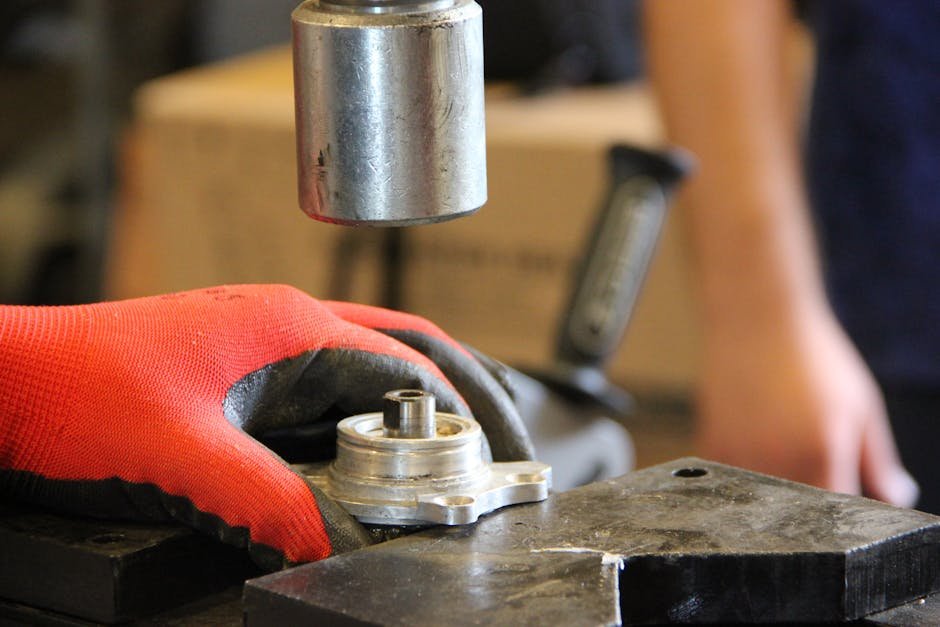
Figure: Close-up of worker using industrial press in metalworking process.Figure: Massive metal press in a factory showcasing heavy machinery and industrial environment.Figure: Hands in red gloves operate metal machinery in workshop close-up.
Before diving into the specifics, it’s important to understand why this topic matters. Whether you’re managing a fleet of aerial lifts or operating a fabrication shop, getting this right affects safety, efficiency, and your bottom line.
Step-by-Step Process
Step 1: Assessment and Planning
Start by evaluating your current situation. Document existing conditions, measure key parameters, and identify any constraints. This initial assessment will guide all subsequent decisions.
Step 2: Gather Required Tools and Materials
Ensure you have all necessary equipment before beginning. This includes measurement tools, safety gear, and any specialized instruments required for the task.
Step 3: Execute the Procedure
Follow manufacturer guidelines and industry best practices. Work methodically and document each step for future reference.
Step 4: Verify Results
After completing the procedure, verify that all parameters meet specifications. Test under normal operating conditions to confirm everything functions correctly.
Common Challenges and Solutions
Inaccurate measurements: Use calibrated tools and double-check readings
Environmental factors: Account for temperature, humidity, and wind conditions
Equipment limitations: Know your equipment’s capabilities and work within them
Safety Best Practices
Always follow OSHA regulations and manufacturer safety guidelines. Ensure all personnel are properly trained and wear appropriate PPE.
When to Seek Professional Help
Some situations require expert assistance. Don’t hesitate to contact the manufacturer or a certified technician when dealing with complex issues or warranty-covered repairs.
Conclusion
By following this guide, you’ll be well-equipped to handle to choose press brake dies for specialty profiles effectively. Regular practice and attention to detail will improve your results over time.
FAQ
Q: How often should this be done?
A: Follow your manufacturer’s maintenance schedule. For most equipment, this should be checked quarterly or before each major project.
Q: What tools do I need?
A: Standard measurement tools, safety equipment, and any specialized instruments specified in your equipment manual.
Q: Can I do this myself or do I need certification?
A: Basic procedures can be done by trained operators. Complex tasks may require certified technicians.
Understanding re the latest press brake technology trends is essential for making informed decisions about your equipment operations. This guide provides comprehensive answers to help you navigate this important topic.
Key Concepts
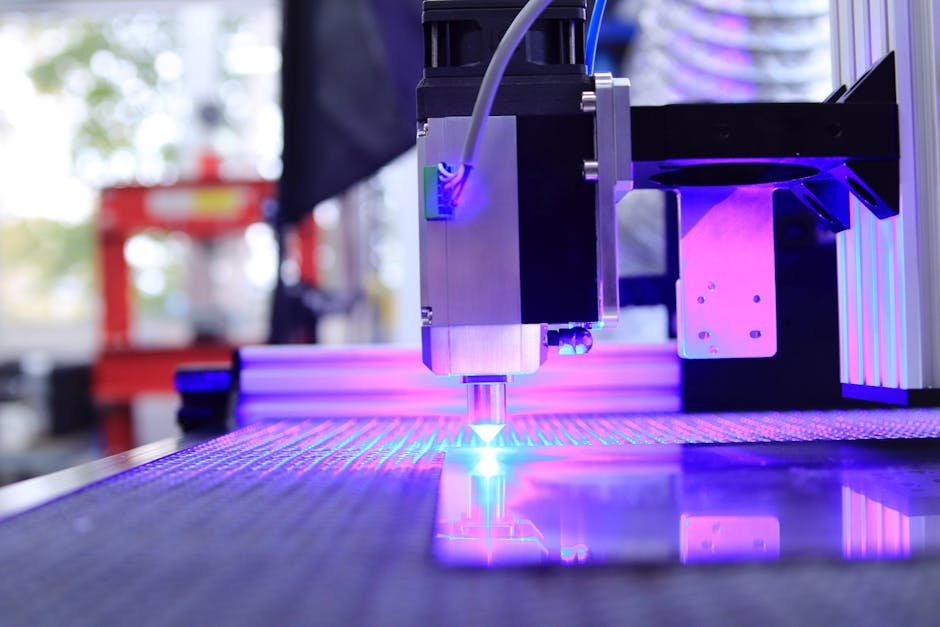
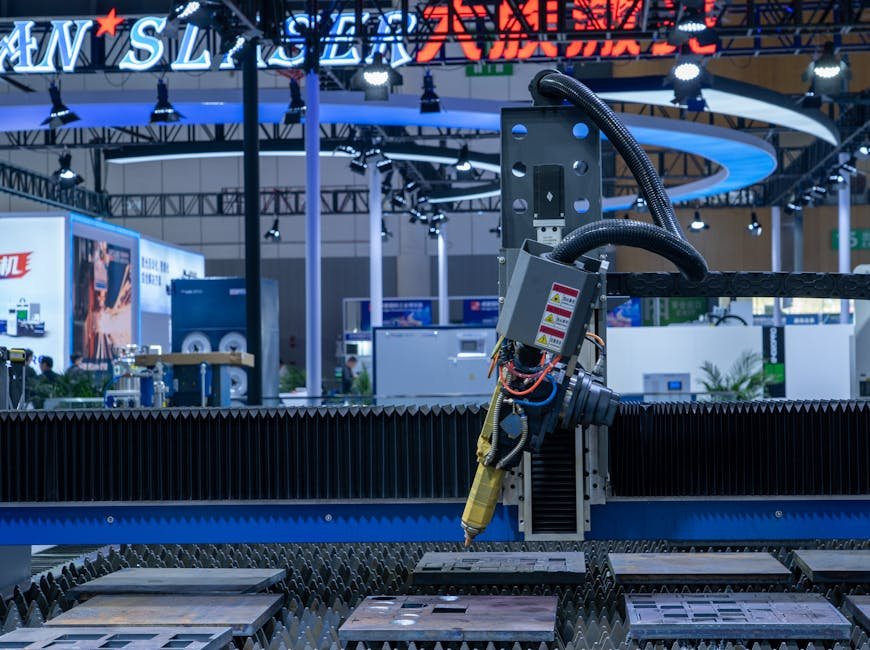
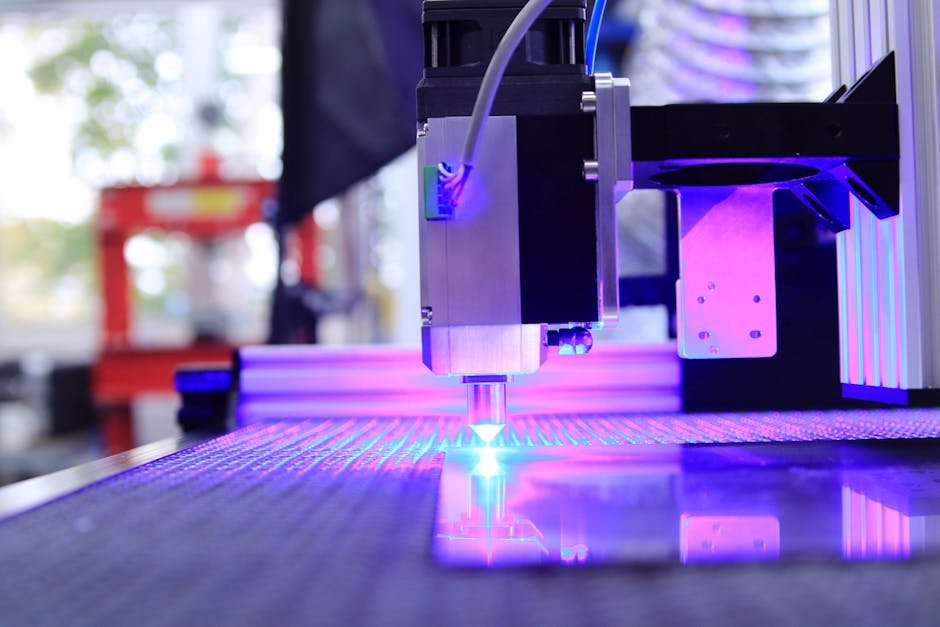
Figure: Close-up of a laser engraving machine working indoors with blue light reflection.Figure: Detailed view of an industrial machine with multiple drills and brushes in a factory setting.Figure: A CNC laser machine operating in a high-tech industrial exhibition setup with vibrant lighting.
Let’s start by breaking down the fundamental concepts you need to understand. This foundation will help you make better decisions and communicate more effectively with your team.
Main Components and Factors
Several key factors influence re the latest press brake technology trends:
Equipment specifications: Different models have varying capabilities and requirements.
Operating conditions: Environment and usage patterns affect performance.
Maintenance history: Well-maintained equipment performs more predictably.
Industry standards: Compliance with regulations ensures safety and quality.
Detailed Analysis
When evaluating this topic, consider the following aspects:
Performance Metrics
Key performance indicators help you assess whether your equipment is meeting expectations. Track relevant metrics regularly to identify trends and potential issues early.
Cost Considerations
Understanding the total cost of ownership goes beyond the initial purchase price. Factor in maintenance, energy consumption, downtime, and replacement costs.
Safety Implications
Safety should always be a primary consideration. Ensure all operations comply with OSHA regulations and manufacturer guidelines.
Industry Best Practices
Based on industry standards and expert recommendations:
Conduct regular inspections and maintenance
Train all operators thoroughly
Document all procedures and incidents
Stay updated on regulatory changes
Invest in quality equipment and parts
Common Questions
Here are answers to frequently asked questions about this topic:
Q: What are the most important factors to consider?
A: Safety, cost-effectiveness, and compliance with regulations should be your top priorities.
Q: How do I know if my current approach is correct?
A: Regular audits and performance reviews will help identify areas for improvement.
Q: What resources are available for learning more?
A: Manufacturer documentation, industry associations, and training programs provide valuable information.
Conclusion
Understanding re the latest press brake technology trends requires attention to multiple factors. By following the guidelines in this article, you’ll be better prepared to make informed decisions that benefit your operations.
FAQ
Q: Where can I find more detailed specifications?
A: Consult your equipment manual or contact the manufacturer directly.
Q: Are there industry certifications available?
A: Yes, several organizations offer certifications for equipment operators and maintenance personnel.
Q: How often should I review my procedures?
A: At minimum annually, or whenever regulations or equipment change.
This comprehensive guide explores shearing machine cutting angle adjustments, providing you with essential information for your industrial equipment operations.
Overview
Figure: Flat lay of various scissors and cutting tools with stainless steel blades on a textured surface.Figure: Detailed view of a metal cutting machine in operation, showcasing industrial machinery.Figure: Close-up of silver shears, comb, and straight razor on a black cloth background, highlighting barber tools.
Understanding this topic is crucial for maintaining efficient and safe operations. Let’s explore the key aspects you need to know.
Key Points
Here are the most important aspects to consider:
Safety requirements and regulations
Equipment specifications and capabilities
Maintenance and inspection schedules
Cost and operational efficiency factors
Industry best practices
Detailed Discussion
Let’s dive deeper into each of these areas to give you a complete understanding.
Safety and Compliance
Always prioritize safety in your operations. Ensure compliance with all relevant OSHA regulations and manufacturer guidelines.
Equipment Considerations
Choose equipment that matches your specific needs. Consider factors such as capacity, operating environment, and maintenance requirements.
Maintenance Best Practices
Regular maintenance extends equipment life and ensures safe operation. Follow manufacturer recommendations and keep detailed records.
Practical Tips
Based on industry experience, here are some practical tips:
Invest in quality training for all operators
Implement a preventive maintenance program
Keep spare parts inventory for critical components
Document all inspections and repairs
Stay informed about industry developments
Conclusion
By understanding shearing machine cutting angle adjustments, you can make better decisions for your operations. Remember that continuous learning and improvement are key to success.
FAQ
Q: What are the most common issues?
A: Common issues include improper maintenance, operator error, and using equipment beyond its specifications.
Q: How can I improve operational efficiency?
A: Focus on proper training, preventive maintenance, and selecting the right equipment for each task.
Q: Where can I get more information?
A: Consult manufacturer resources, industry publications, and professional training programs.
When working with industrial equipment, understanding proper procedures is crucial for safety and efficiency. This comprehensive guide walks you through everything you need to know about how to fix press brake backgauge errors.
Understanding the Basics
Figure: Close-up of a laser engraving machine working indoors with blue light reflection.Figure: Detailed view of an industrial machine with multiple drills and brushes in a factory setting.Figure: A CNC laser machine operating in a high-tech industrial exhibition setup with vibrant lighting.
Before diving into the detailed steps, it’s important to understand why this topic matters. Proper knowledge in this area can prevent costly mistakes, improve operational efficiency, and most importantly, ensure workplace safety.
Step-by-Step Guide
Follow these detailed steps to achieve optimal results:
Step 1: Preparation and Safety Checks
Before beginning any work, ensure you have:
All necessary tools and equipment ready
Appropriate personal protective equipment (PPE)
Cleared work area with adequate space
Equipment powered down and locked out if applicable
Step 2: Initial Assessment
Conduct a thorough assessment of the current situation. Document any existing conditions that may affect the process. Take photos if necessary for reference.
Step 3: Execute the Main Procedure
Follow manufacturer guidelines and industry best practices. Work methodically and don’t rush the process. If you encounter unexpected issues, pause and reassess.
Step 4: Testing and Verification
After completing the main procedure, test the results thoroughly. Verify that everything is functioning correctly before returning to normal operations.
Step 5: Documentation and Follow-up
Document what was done, including any deviations from standard procedures. Schedule any necessary follow-up maintenance or inspections.
Common Mistakes to Avoid
Based on industry experience, here are the most common mistakes and how to avoid them:
Rushing the process: Take your time to ensure each step is completed correctly.
Skipping safety checks: Never compromise on safety procedures.
Using wrong tools: Always use the appropriate tools for the job.
Ignoring manufacturer guidelines: Follow the equipment manufacturer’s recommendations.
Safety Considerations
Safety should always be your top priority. Ensure all personnel are properly trained, wear appropriate PPE, and follow lockout/tagout procedures where applicable.
When to Call a Professional
While many tasks can be handled in-house, some situations require professional expertise:
Complex electrical issues
Major structural problems
Warranty-covered repairs
Situations beyond your training level
Conclusion
By following this guide, you’ll be better equipped to handle how to fix press brake backgauge errors effectively and safely. Remember that practice and experience will improve your skills over time.
FAQ
Q: How long does this process typically take?
A: The time required varies based on equipment condition and complexity, but plan for 1-3 hours for most standard procedures.
Q: Do I need special training?
A: Basic technical knowledge is recommended. For complex equipment, formal training or certification may be required.
Q: What tools do I need?
A: Standard hand tools and any specialized tools specified in your equipment manual.
Q: How often should this be done?
A: Follow your manufacturer’s maintenance schedule, typically quarterly or as needed based on usage.
Understanding why does my shearing machine produce burrs? is crucial for preventing accidents, optimizing performance, and making informed maintenance decisions. This in-depth analysis explores the root causes and contributing factors.
By understanding the underlying mechanisms, you can implement effective prevention strategies and respond appropriately when issues arise.
amazewander / Pexels
Primary Causes
Multiple factors can contribute to this issue. Understanding each potential cause helps with diagnosis and prevention.
Operational Factors
How equipment is used significantly impacts performance and safety. Common operational issues include improper technique, exceeding rated capacities, and ignoring warning signs.
Incorrect operating procedures
Overloading beyond specifications
Operating in unsuitable conditions
Skipping required inspections
Inadequate operator training
Maintenance Issues
Poor maintenance practices often lead to equipment failures. Regular inspection and timely repairs prevent many common problems.
Environmental Conditions
Operating environment plays a significant role in equipment performance. Factors like temperature, humidity, surface conditions, and air quality all affect operation.
Prevention Strategies
Implementing proactive measures reduces risk and improves outcomes. A comprehensive approach addresses all potential contributing factors.
Training and Certification
Ensure all operators receive proper training and certification. Knowledgeable operators make better decisions and recognize potential issues before they become problems.
Regular Inspections
Establish and follow a rigorous inspection schedule. Document all findings and address issues promptly to prevent escalation.
Professional equipment requires proper training and maintenance
Best Practices
Following established best practices ensures consistent results and minimizes risk. Industry standards have evolved through years of experience and should be respected.
Safety First
Never compromise on safety. Always follow lockout/tagout procedures, wear appropriate PPE, and ensure all safety systems are functional before operation.
Documentation
Keep detailed records of all operations, maintenance activities, and inspections. This documentation proves invaluable for troubleshooting and compliance audits.
Continuous Improvement
Regularly review procedures and look for opportunities to improve efficiency and safety. Stay current with industry developments and manufacturer updates.
Common Mistakes to Avoid
Learning from others’ mistakes saves time, money, and potentially prevents accidents. Here are frequent errors to watch out for:
Skipping pre-operation inspections
Exceeding rated capacity or operating limits
Using equipment beyond recommended service intervals
Ignoring unusual noises or warning indicators
Operating without proper certification or training
Neglecting regular maintenance schedules
Using incompatible or substandard replacement parts
Regular maintenance prevents costly breakdowns and ensures safety
Maintenance Guidelines
Proper maintenance extends equipment life and ensures reliable operation. Establish a comprehensive maintenance program based on manufacturer recommendations and actual usage patterns.
Daily Checks
Visual inspection for damage, leaks, or wear
Verify all safety devices and guards are in place
Check fluid levels (hydraulic oil, coolant, etc.)
Test all controls and emergency stops
Inspect tires, wheels, or tracks for damage
Look for loose fasteners or connections
Scheduled Maintenance
Follow the manufacturer’s recommended service intervals for oil changes, filter replacements, and comprehensive inspections. Keep detailed maintenance logs for warranty and resale value.
FAQ
What are the most important safety considerations?
Safety should always be the top priority. Ensure proper training, conduct pre-operation inspections, follow load limits, and never bypass safety systems. Always wear appropriate PPE and follow established procedures.
How often should equipment be serviced?
Service intervals vary by equipment type and usage. Consult your operator’s manual for specific recommendations. Generally, light-use equipment may need service every 250 hours, while heavy-use equipment may require service every 100 hours or monthly.
What signs indicate equipment needs attention?
Watch for unusual noises, decreased performance, leaks, warning lights, or any deviation from normal operation. Address issues promptly to prevent minor problems from becoming major failures.
Can I perform maintenance myself?
Basic maintenance like fluid checks and filter changes can often be performed by trained operators. However, major repairs and certifications should be handled by qualified technicians following manufacturer guidelines.
Understanding why does my shearing machine produce burrs? is essential for safe and efficient operations. By following the guidelines in this article, you can make informed decisions, prevent common problems, and maximize the value of your equipment investment.
Remember that proper training, regular maintenance, and adherence to safety protocols are the foundations of successful equipment operation. When in doubt, consult your equipment manual or contact qualified service professionals.
For more information on industrial equipment selection, operation, and maintenance, explore our comprehensive resource library and equipment guides.
What Is the Maximum Sheet Thickness for a 100 Ton Press Brake?
When evaluating industrial equipment options, understanding what is the maximum sheet thickness for a 100 ton press brake? helps you make informed decisions that impact safety, productivity, and bottom-line costs. This detailed guide breaks down everything you need to know.
We’ll cover key specifications, comparative analysis, and practical considerations to help you select the right equipment for your specific applications.
J E / Pexels
Key Factors to Consider
Several critical factors influence equipment selection and performance. Understanding these variables helps you make choices that align with your operational requirements and budget constraints.
Performance Specifications
Review manufacturer specifications carefully, paying attention to rated capacity, operating ranges, and environmental tolerances. These numbers form the baseline for equipment capabilities.
Application Requirements
Match equipment capabilities to your specific use cases. Consider factors like duty cycle, material types, workspace constraints, and operator skill levels.
Total Cost of Ownership
Look beyond purchase price to consider installation, maintenance, energy consumption, and eventual replacement costs. Quality equipment often provides better long-term value.
Comparative Analysis
When comparing different options, create a systematic evaluation framework. Score each alternative against your priority criteria to identify the best fit.
Feature Comparison
Core functionality and capabilities
Safety features and certifications
Ease of operation and maintenance
Warranty and support options
Compatibility with existing equipment
Manufacturer Reputation
Research manufacturer track records for quality, reliability, and customer support. Established brands often provide better long-term support and parts availability.
Professional equipment requires proper training and maintenance
Best Practices
Following established best practices ensures consistent results and minimizes risk. Industry standards have evolved through years of experience and should be respected.
Safety First
Never compromise on safety. Always follow lockout/tagout procedures, wear appropriate PPE, and ensure all safety systems are functional before operation.
Documentation
Keep detailed records of all operations, maintenance activities, and inspections. This documentation proves invaluable for troubleshooting and compliance audits.
Continuous Improvement
Regularly review procedures and look for opportunities to improve efficiency and safety. Stay current with industry developments and manufacturer updates.
Common Mistakes to Avoid
Learning from others’ mistakes saves time, money, and potentially prevents accidents. Here are frequent errors to watch out for:
Skipping pre-operation inspections
Exceeding rated capacity or operating limits
Using equipment beyond recommended service intervals
Ignoring unusual noises or warning indicators
Operating without proper certification or training
Neglecting regular maintenance schedules
Using incompatible or substandard replacement parts
Regular maintenance prevents costly breakdowns and ensures safety
Maintenance Guidelines
Proper maintenance extends equipment life and ensures reliable operation. Establish a comprehensive maintenance program based on manufacturer recommendations and actual usage patterns.
Daily Checks
Visual inspection for damage, leaks, or wear
Verify all safety devices and guards are in place
Check fluid levels (hydraulic oil, coolant, etc.)
Test all controls and emergency stops
Inspect tires, wheels, or tracks for damage
Look for loose fasteners or connections
Scheduled Maintenance
Follow the manufacturer’s recommended service intervals for oil changes, filter replacements, and comprehensive inspections. Keep detailed maintenance logs for warranty and resale value.
FAQ
What are the most important safety considerations?
Safety should always be the top priority. Ensure proper training, conduct pre-operation inspections, follow load limits, and never bypass safety systems. Always wear appropriate PPE and follow established procedures.
How often should equipment be serviced?
Service intervals vary by equipment type and usage. Consult your operator’s manual for specific recommendations. Generally, light-use equipment may need service every 250 hours, while heavy-use equipment may require service every 100 hours or monthly.
What signs indicate equipment needs attention?
Watch for unusual noises, decreased performance, leaks, warning lights, or any deviation from normal operation. Address issues promptly to prevent minor problems from becoming major failures.
Can I perform maintenance myself?
Basic maintenance like fluid checks and filter changes can often be performed by trained operators. However, major repairs and certifications should be handled by qualified technicians following manufacturer guidelines.
Understanding what is the maximum sheet thickness for a 100 ton press brake? is essential for safe and efficient operations. By following the guidelines in this article, you can make informed decisions, prevent common problems, and maximize the value of your equipment investment.
Remember that proper training, regular maintenance, and adherence to safety protocols are the foundations of successful equipment operation. When in doubt, consult your equipment manual or contact qualified service professionals.
For more information on industrial equipment selection, operation, and maintenance, explore our comprehensive resource library and equipment guides.
In the world of industrial equipment, knowing how to calibrate a press brake cnc system? is essential for operators, maintenance personnel, and facility managers. This comprehensive guide provides step-by-step instructions, expert tips, and best practices to help you achieve optimal results.
Whether you’re a seasoned professional or new to equipment operation, understanding the proper procedures ensures safety, efficiency, and longevity of your machinery. Let’s dive into the details.
Sergey Sergeev / Pexels
Understanding the Basics
Before diving into the step-by-step process, it’s important to understand the fundamental principles involved. Proper technique not only improves outcomes but also extends equipment life and ensures operator safety.
Step-by-Step Guide
Follow these detailed steps to achieve professional results:
Step 1: Preparation and Safety
Before beginning any procedure, ensure you have the proper personal protective equipment (PPE) and that the work area is secure. Review the manufacturer’s guidelines and verify that all safety systems are functional.
Wear appropriate PPE (safety glasses, gloves, steel-toed boots)
Verify the equipment is properly grounded
Clear the work area of obstacles and debris
Review emergency stop procedures
Ensure adequate lighting and ventilation
Step 2: Initial Setup
Proper setup is crucial for success. Take time to configure equipment settings according to specifications and verify all adjustments before proceeding.
Step 3: Execution
With preparations complete, proceed with the main operation. Maintain steady, controlled movements and monitor all indicators throughout the process.
Step 4: Verification and Testing
After completing the procedure, verify results meet specifications. Conduct test operations if applicable and document all settings for future reference.
Step 5: Final Adjustments
Make any necessary fine-tuning adjustments based on test results. Small corrections can significantly improve performance and outcomes.
Professional equipment requires proper training and maintenance
Best Practices
Following established best practices ensures consistent results and minimizes risk. Industry standards have evolved through years of experience and should be respected.
Safety First
Never compromise on safety. Always follow lockout/tagout procedures, wear appropriate PPE, and ensure all safety systems are functional before operation.
Documentation
Keep detailed records of all operations, maintenance activities, and inspections. This documentation proves invaluable for troubleshooting and compliance audits.
Continuous Improvement
Regularly review procedures and look for opportunities to improve efficiency and safety. Stay current with industry developments and manufacturer updates.
Common Mistakes to Avoid
Learning from others’ mistakes saves time, money, and potentially prevents accidents. Here are frequent errors to watch out for:
Skipping pre-operation inspections
Exceeding rated capacity or operating limits
Using equipment beyond recommended service intervals
Ignoring unusual noises or warning indicators
Operating without proper certification or training
Neglecting regular maintenance schedules
Using incompatible or substandard replacement parts
Regular maintenance prevents costly breakdowns and ensures safety
Maintenance Guidelines
Proper maintenance extends equipment life and ensures reliable operation. Establish a comprehensive maintenance program based on manufacturer recommendations and actual usage patterns.
Daily Checks
Visual inspection for damage, leaks, or wear
Verify all safety devices and guards are in place
Check fluid levels (hydraulic oil, coolant, etc.)
Test all controls and emergency stops
Inspect tires, wheels, or tracks for damage
Look for loose fasteners or connections
Scheduled Maintenance
Follow the manufacturer’s recommended service intervals for oil changes, filter replacements, and comprehensive inspections. Keep detailed maintenance logs for warranty and resale value.
FAQ
What are the most important safety considerations?
Safety should always be the top priority. Ensure proper training, conduct pre-operation inspections, follow load limits, and never bypass safety systems. Always wear appropriate PPE and follow established procedures.
How often should equipment be serviced?
Service intervals vary by equipment type and usage. Consult your operator’s manual for specific recommendations. Generally, light-use equipment may need service every 250 hours, while heavy-use equipment may require service every 100 hours or monthly.
What signs indicate equipment needs attention?
Watch for unusual noises, decreased performance, leaks, warning lights, or any deviation from normal operation. Address issues promptly to prevent minor problems from becoming major failures.
Can I perform maintenance myself?
Basic maintenance like fluid checks and filter changes can often be performed by trained operators. However, major repairs and certifications should be handled by qualified technicians following manufacturer guidelines.
Understanding how to calibrate a press brake cnc system? is essential for safe and efficient operations. By following the guidelines in this article, you can make informed decisions, prevent common problems, and maximize the value of your equipment investment.
Remember that proper training, regular maintenance, and adherence to safety protocols are the foundations of successful equipment operation. When in doubt, consult your equipment manual or contact qualified service professionals.
For more information on industrial equipment selection, operation, and maintenance, explore our comprehensive resource library and equipment guides.
In the industrial equipment sector, understanding proper operation and maintenance is crucial for safety and productivity. This comprehensive guide addresses key questions that equipment operators and buyers frequently ask.
J E / Pexels
Key Considerations
When evaluating equipment decisions, several factors come into play. Safety should always be the top priority, followed by operational efficiency and long-term cost effectiveness.
Best Practices
Follow manufacturer guidelines for all operations
Conduct regular inspections and maintenance
Train all operators on proper procedures
Document all maintenance activities
Replace worn components promptly
Professional equipment operation requires proper training
Common Mistakes to Avoid
Many operators make avoidable errors that can lead to equipment damage or safety incidents. Understanding these pitfalls helps prevent costly mistakes:
Skipping pre-operation inspections
Exceeding rated capacity limits
Using equipment beyond service intervals
Ignoring warning signs or unusual noises
Operating without proper certification
Maintenance Guidelines
Regular maintenance extends equipment life and ensures safe operation. Establish a maintenance schedule based on manufacturer recommendations and actual usage patterns.
Regular maintenance prevents costly breakdowns
Inspection Checklist
Visual inspection for damage or wear
Check all safety devices and guards
Verify fluid levels and conditions
Test all controls and emergency stops
Inspect tires, wheels, and steering
Check for leaks in hydraulic systems
Conclusion
Proper equipment selection, operation, and maintenance are essential for maximizing productivity while ensuring worker safety. By following the guidelines outlined in this article, you can make informed decisions about your industrial equipment needs.