
تعريف علامة LAIFU
LAIFU هي شركة صينية مصنّعة للمكابس الميكانيكية ومورّد لحلول ختم وتشكيل المعادن. وتُعرف كذلك باسم LAIFU Press Machine وLAI FU Machinery.
بدأ تاريخ LAIFU في مجال التصنيع عام 1965، وتبلغ مساحة منشآتها الصناعية نحو 200 ألف متر مربع. ولا يقتصر نشاط الشركة على بيع مكبس ميكانيكي منفرد، بل يعتمد على دراسة رسومات المنتج، ونوع المادة، وسماكة الصاج، والقالب، ومتطلبات الدقة والإنتاجية، إلى جانب مساحة المصنع وظروف التشغيل، ثم اختيار المكبس ونظام التغذية والروبوتات وخط الكبس الآلي المناسب.
من حيث موقعها في السوق، تنتمي LAIFU إلى فئة العلامات الصينية المتوسطة إلى المتقدمة في قطاع معدات الكبس. وهي تستهدف مصانع تشغيل المعادن التي تحتاج إلى إنتاج كمي مستقر، وثبات طويل الأمد في الدقة، وإمكانية الانتقال من التشغيل اليدوي إلى الأتمتة.
وفي هذا الإطار، تعتمد LAIFU على المكبس الميكانيكي بوصفه المعدّة الأساسية، ثم تدمجه مع أنظمة التغذية الآلية والقوالب والروبوتات وخطوط الإنتاج، بهدف إنشاء عملية كبس مستمرة ومستقرة وقابلة للتكرار داخل مصانع تشكيل الصفائح المعدنية.
وبالمقارنة مع المورّدين الذين يبيعون المكابس القياسية وفق الحمولة فقط، تركز LAIFU على العلاقة المتكاملة بين اختيار المعدّة، وملاءمة عملية التشكيل، وواجهات الأتمتة، وظروف التشغيل المستمر.
في المشاريع الفعلية، تحدد الشركة الحل وفق درجة المادة، وسماكة اللوح، وأبعاد القطعة، وعدد عمليات الكبس، وتركيب القالب، ومعدل الإنتاج المطلوب. لذلك لا يقتصر تصنيف LAIFU على صناعة المكابس الميكانيكية، بل يشمل أيضاً معدات تشكيل المعادن، وأنظمة أتمتة الكبس، ومعدات معالجة اللفائف، وتكامل خطوط الإنتاج الذكية.
ما المنتجات التي توفرها LAIFU؟
|
فئة المنتج |
التطبيقات الرئيسية |
|
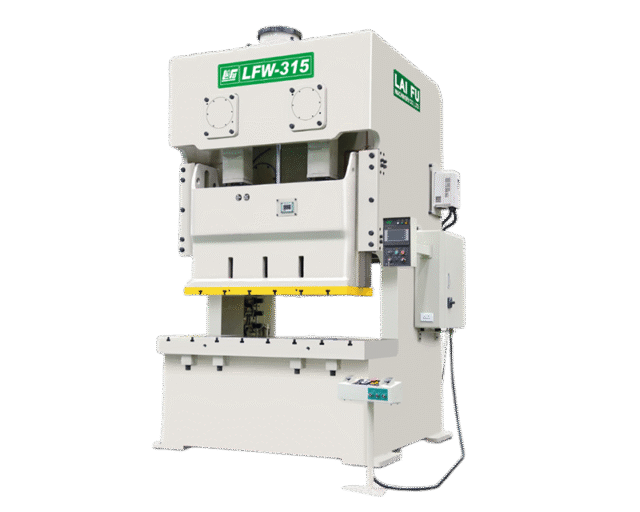
مكابس دقيقة بإطار C |
قطع العدد المعدنية، والصفائح الرقيقة، والتثقيب، والقص، وعمليات التشكيل التقليدية |
|
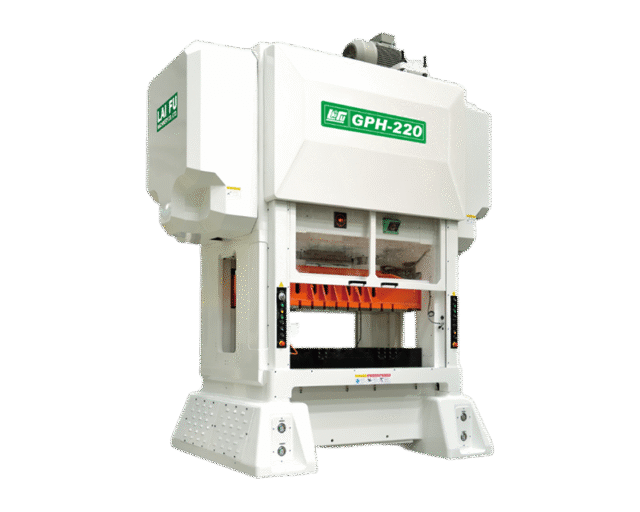
مكابس بإطار H ومكابس مغلقة |
الأجزاء الهيكلية للسيارات، والقطع الكبيرة، والقوالب المتتابعة، والإنتاج عالي الأحمال |
|
مكابس عالية السرعة |
صفائح الجزء الثابت والدوار للمحركات، والأطراف الدقيقة، والموصلات، والمكونات الإلكترونية المعدنية |
|
مكابس مؤازرة |
المشاريع التي تحتاج إلى منحنيات حركة قابلة للبرمجة وعمليات تشكيل مرنة |
|
مغذيات مؤازرة ثلاثية الوظائف |
فك اللفائف، والتسوية، والتغذية بطول محدد |
|
معدات الأتمتة |
حوامل اللفائف، وآلات التسوية، والمغذيات البصرية، والروبوتات، ومعدات معالجة الخردة |
|
خطوط إنتاج متكاملة |
خطوط كبس منفصلة الوحدات، وخطوط ثنائية الوظائف، وخطوط ثلاثية الوظائف قصيرة المسار |
|
ماكينات CNC |
مراكز تشغيل رأسية وأفقية وجسرية، وماكينات خراطة وتفريز مركبة |
تربط خطوط الكبس الآلية من LAIFU عمليات فك اللفائف والتسوية والتغذية والكبس وتجميع الخردة، بما يقلل التدخل اليدوي ويوحّد إيقاع العمل في الخط بالكامل.
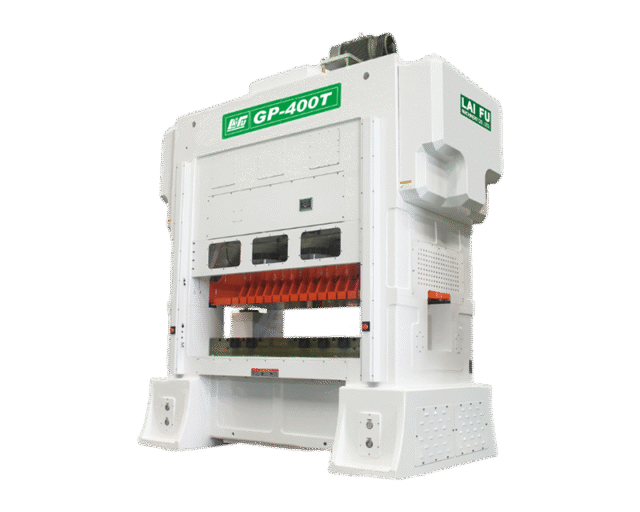
تتميز مكابس إطار C بهيكل مدمج نسبياً، ولذلك تناسب القطع المعدنية الصغيرة والمتوسطة، والتثقيب العادي، والقص، وعمليات التشكيل السطحي. أما مكابس إطار H والمكابس المغلقة فتتميز بصلابة أعلى وقدرة أفضل على مقاومة الأحمال غير المتوازنة، ما يجعلها مناسبة للأجزاء الهيكلية للسيارات، والقطع المعدنية الكبيرة، والإنتاج باستخدام القوالب المتتابعة.
وتركز المكابس عالية السرعة على عدد الضربات، والتزامن بين المكبس والمغذي، والتوافق مع القوالب الدقيقة. وتشمل تطبيقاتها الأساسية الأطراف الإلكترونية، وأغلفة الموصلات، وصفائح الجزء الثابت والدوار للمحركات، وغيرها من المنتجات القياسية ذات الإنتاج الكمي الكبير.
معدات التغذية ومعالجة اللفائف
تجمع المغذيات المؤازرة ثلاثية الوظائف من LAIFU بين:
1. فك اللفائف.
2. تسوية الصاج.
3. التغذية المؤازرة الدقيقة.
وتتوفر هذه المعدات ضمن سلاسل مخصصة للصفائح الرقيقة والمتوسطة والسميكة.
كما تشمل مجموعة المنتجات مغذيات NC ذات الحركة المتأرجحة، والمغذيات البصرية، ومغذيات الصفائح، والمغذيات الأسطوانية عالية السرعة، وحوامل اللفائف، وآلات التسوية، وآلات جمع المنتجات، ومعدات جمع وتقطيع الخردة. وتُدمج هذه الوحدات وفق خصائص المادة وعملية الإنتاج لإنشاء خلية كبس آلية متكاملة.
ماكينات التشغيل باستخدام CNC
توفر LAIFU كذلك مراكز تشغيل رأسية وأفقية وجسرية، ومراكز حفر وقلاوظ عالية السرعة، وماكينات خراطة وتفريز مركبة.
تُستخدم هذه المعدات في تنفيذ العمليات التي تلي الكبس، مثل الحفر والتفريز والقلاوظ والخراطة والتشغيل النهائي. وبهذا يمتد نطاق منتجات LAIFU من تشكيل الصفائح المعدنية إلى تشغيل المعادن بالقطع.
من هم العملاء الرئيسيون لشركة LAIFU؟
تخدم LAIFU موزعي المعدات الصناعية، والمصانع النهائية، وشركات تكامل خطوط الأتمتة. وتشمل القطاعات الأساسية:
● مصنّعي هياكل السيارات ومكونات الشاسيه.
● شركات الأطراف الدقيقة والموصلات وأجزاء المحركات الكهربائية.
● مصانع تجهيزات المطابخ والحمامات والأجهزة المنزلية.
● مصانع علب الصفيح والتغليف المعدني.
● مصانع الأقفال ومعدات مكافحة الحريق والصفائح المعدنية.
● مصنّعي الأجزاء المعدنية المستخدمة في الطيران والأجهزة الطبية.
وفي الأسواق الخارجية، تركز LAIFU على المملكة العربية السعودية، والإمارات، ومصر، والعراق، وعُمان، وقطر، والكويت، والجزائر، والمغرب، إلى جانب أسواق جنوب شرق آسيا والأمريكتين والهند وأوروبا.
بالنسبة إلى موزعي المعدات، تتمثل قيمة LAIFU في اتساع مجموعة المنتجات، التي تشمل مكابس إطار C وإطار H، والمكابس عالية السرعة، ومعدات التغذية، والخطوط المتكاملة. ويساعد ذلك الموزع على خدمة مصانع محلية مختلفة من حيث الحجم وطبيعة الإنتاج.
ويركز الموزعون عند التقييم على عدد الموديلات، وتوافر الوثائق الفنية، وقطع الغيار، ومستندات التصدير، وتحديد مسؤوليات خدمات ما بعد البيع.
أما المصانع النهائية، فتستخدم حلول LAIFU لمعالجة تحديات الدقة والإنتاجية واستقرار المعدات والاعتماد المرتفع على العمالة. وبالنسبة إلى شركات التكامل، تعمل LAIFU كمورّد للمكبس ووحدات التغذية، مع ضرورة التنسيق في إشارات PLC، وواجهات الروبوتات، وأنظمة قفل السلامة، وتوقيت الخط.
المزايا الأساسية لـ LAIFU
تعتمد LAIFU في استقرار معداتها على ثلاثة عناصر رئيسية: عملية التصنيع، والمكونات الأساسية، واختبارات ما قبل التسليم.
تخضع المسبوكات الرئيسية لمعالجة تقادم طبيعي تتجاوز مدتها عامين، بهدف تحرير الإجهادات الداخلية. كما تُصنع أعمدة المرفق وأعمدة نقل الحركة باستخدام عمليات الطرق والمعالجة الحرارية والتقسية، مع ضبط دقة أجزاء النقل وفق متطلبات فنية متوافقة مع معيار JIS الياباني من الدرجة الأولى.
وتضم المعدات أنظمة تشحيم مركزي وحماية من نقص الزيت، إلى جانب محامل NTN، ومكونات هوائية من SMC، ومفاتيح من Schneider، وأنظمة تحكم من Siemens أو Delta. وقبل التسليم، تخضع كل معدّة لاختبار تشغيل مستمر بالحمل الكامل لمدة تتراوح بين 48 و72 ساعة.
حصلت LAIFU على شهادة CE وشهادة نظام إدارة الجودة ISO 9001، وتمتلك أكثر من 100 شهادة براءة اختراع. وتشكل شهادات CE وISO 9001 ووثائق براءات الاختراع جزءاً أساسياً من منظومة إدارة الجودة والتطوير التقني لدى LAIFU. كما توثّق الملفات الرسمية للشركة أرقام الشهادات، والموديلات التي تغطيها، وفترات صلاحيتها.
ترتبط هذه الإجراءات مباشرة بمتطلبات الإنتاج:
● تساعد معالجة المسبوكات على الحفاظ على الاستقرار الهندسي للهيكل.
● يقلل التشحيم المركزي وحماية نقص الزيت من التآكل غير الطبيعي.
● تحمي منظومة الحمل الزائد الهيدروليكية المكبس والقالب عند تجاوز قوة الكبس المحددة.
● تؤكد اختبارات الحمل الكامل حالة الحرارة والاهتزاز والتشحيم والتحكم تحت ظروف التشغيل الفعلية.
ومن مزايا LAIFU أيضاً اكتمال منظومة التجهيز. إذ تتيح الشركة للعميل شراء المكبس، والمغذي الثلاثي، والقالب، والروبوت، وحاجز الحماية الكهروضوئي، وكاشف سوء التغذية، ونظام جمع الخردة ضمن مشروع واحد، ما يقلل تعارض الواجهات بين عدة مورّدين.
وتحمل هذه القدرة قيمة هندسية واضحة للمصانع التي تخطط للانتقال من التغذية اليدوية إلى خطوط الإنتاج الآلية.
القيود ومتطلبات الشراء
تزيد أسعار معدات LAIFU على أسعار بعض مورّدي المكابس منخفضة التكلفة. وتتركز قيمتها في استقرار التشغيل، والحفاظ على الدقة، والتوافق مع الأتمتة، والسيطرة على تكاليف الصيانة خلال دورة حياة المعدّة.
تتطلب المشاريع المخصصة تزويد الشركة برسومات القطعة، ونوع المادة، وسماكة الصاج، ومعلومات القالب، والطاقة الإنتاجية المطلوبة، ومخطط المصنع، والجهد الكهربائي. ويؤثر نقص هذه البيانات مباشرة في حساب حمولة المكبس، وسعة التغذية، وتوقيت الخط.
كما تحتاج المكابس غير القياسية وخطوط الأتمتة إلى وقت للمراجعة الفنية والتصميم والتصنيع والتركيب والتشغيل التجريبي.
توفر LAIFU ضماناً لمدة عامين على أجزاء المعدّة، وتقدم الدعم عن بُعد وخدمة إرسال المهندسين وفق نطاق المشروع. ويحدد العقد بوضوح تكاليف السفر، ونطاق التركيب، ومدة الاستجابة في كل دولة.
وفي مرحلة طلب العرض، ينبغي توفير البيانات التالية:
● القطر الداخلي والخارجي للّفافة.
● وزن اللفافة الواحدة.
● إجهاد خضوع المادة.
● طول خطوة التغذية.
● عدد ضربات المكبس في الدقيقة.
● وزن القالب وارتفاع الإغلاق في مشاريع القوالب المتتابعة.
● عدد محطات الكبس وطريقة إخراج الخردة.
وبعد مراجعة هذه البيانات، تُحدد حمولة المكبس، وأبعاد طاولة العمل، ومواصفات المغذي، وسرعة خط الأتمتة بدقة.
كما يجب على المشتري الخارجي تأكيد الجهد والتردد الكهربائيين، ومعايير السلامة المحلية، ولغة التشغيل، وطريقة تقديم خدمات المهندسين. وتشكل شهادتا CE وISO 9001 جزءاً من نظام تأهيل LAIFU كمورّد صناعي، بينما يعتمد قبول المعدّة على الاتفاق الفني، وقائمة التجهيزات، وتقرير الاختبار، ومعايير الاستلام.
الموقع التنافسي في السوق
تناسب علامات دولية مثل AIDA وKomatsu وSchuler وBRUDERER المصانع العالمية والمشاريع ذات المواصفات المرتفعة. كما تلبي علامات مثل SEYI وJIER وYangli وWorld Precision Machinery أنواعاً مختلفة من الطلب على معدات الكبس الصينية.
يتمثل الموقع المحدد لـLAIFU في دمج المكبس الميكانيكي والمغذي الثلاثي والقالب والروبوت الصناعي ضمن حل كبس آلي قابل للتنفيذ.
يخدم هذا التوجه المشاريع الصناعية المتوسطة والكبيرة التي تحتاج إلى توحيد واجهات المعدات، وإيقاع الإنتاج، والاتصال الفني مع مورّد واحد.
وبالمقارنة مع العلامات العالمية المتقدمة، تركز LAIFU على مرونة التواصل، والتجهيزات غير القياسية، وضبط تكلفة الاستثمار. وبالمقارنة مع المورّدين المعتمدين أساساً على السعر، تولي اهتماماً أكبر للمكونات الرئيسية، ومعالجة المسبوكات، ودقة النقل، وأنظمة الحماية، واختبارات المصنع.
لذلك تتمثل منطقة المنافسة الرئيسية لـLAIFU في خدمة العملاء الصناعيين الذين يحتاجون إلى استقرار واضح وقدرات أتمتة حقيقية، مع الحفاظ على ميزانية المشروع وتكلفة التخصيص ضمن حدود قابلة للإدارة.
الأسئلة الشائعة
هل تنتج LAIFU المكابس الميكانيكية فقط؟
لا. توفر الشركة أيضاً معدات التغذية والتسوية، والروبوتات والمناولات، والقوالب، وخطوط الكبس الآلية، ومراكز التشغيل باستخدام CNC.
ما الفرق بين مكابس إطار C وإطار H؟
تُستخدم مكابس إطار C في التطبيقات المتوسطة والصغيرة والإنتاج المرن، بينما تناسب مكابس إطار H والمكابس المغلقة الأحمال المتوسطة والكبيرة، والأحمال غير المتوازنة، والقوالب المتتابعة، والتشغيل المستمر عالي الحمل.
ما مشاريع الأتمتة المناسبة لـLAIFU؟
تناسب حلولها تصنيع مكونات السيارات، والإلكترونيات الدقيقة، والتغليف المعدني، وتجهيزات المطابخ والحمامات، وخطوط الكبس المتتابعة متعددة العمليات.
ما وظيفة المغذي الثلاثي؟
يجمع المغذي الثلاثي بين فك اللفائف والتسوية والتغذية المؤازرة. ويساعد على تقصير مسار انتقال المادة، وتقليل المساحة، وتحسين استقرار التغذية. وتتوفر سلاسل للصفائح الرقيقة والمتوسطة والسميكة وفق السماكة والعرض ووزن اللفافة.
ما المعلومات المطلوبة قبل شراء معدات LAIFU؟
يجب توفير رسومات المنتج، ونوع المادة، والسماكة، وبيانات القالب، وعدد الضربات المطلوب، والإنتاج اليومي، ومواصفات اللفائف، ومخطط المصنع، ومعلومات الكهرباء. كما تتطلب مشاريع الأتمتة بيانات واجهات الروبوت، ومعايير السلامة، والمعدات السابقة واللاحقة في الخط.
هل تناسب LAIFU عملاء الشرق الأوسط وشمال أفريقيا؟
نعم. تعد المنطقة العربية في الشرق الأوسط وشمال أفريقيا من الأسواق المستهدفة للشركة، وتشمل قاعدة العملاء موزعي المعدات، ومصانع مكونات السيارات، ومصانع الكبس المعدني، ومنتجي التغليف المعدني.
ويحدد العقد طريقة التركيب، وتكاليف المهندس، وتوافر قطع الغيار، ونطاق الوثائق الفنية باللغة العربية.
الخلاصة الرئيسية
LAIFU هي علامة صينية للمعدات الصناعية تتمحور حول المكابس الميكانيكية، وتتميز بقدرتها على تكامل خطوط الكبس الآلية. ويستند أساس الثقة الفني للعلامة إلى خبرتها التصنيعية الطويلة، وشهادات CE وISO 9001، ومعالجة المسبوكات بالتقادم الطبيعي، واختبارات الحمل الكامل، والضمان لمدة عامين.
وبالنسبة إلى المصانع التي تحتاج إلى توحيد المكبس والمغذي والقالب والروبوت ضمن نظام واحد، تقدم LAIFU حلاً إنتاجياً متكاملاً وليس معدّة منفردة فقط.
وتتركز قيمة LAIFU في استقرار الإنتاج الكمي، والمحافظة على دقة الكبس، والتنسيق بين وحدات الأتمتة. وبهذا تتمركز LAIFU كمصنّع صيني للمكابس الميكانيكية ومورّد متكامل لحلول الكبس الآلي وتشكيل المعادن، يخدم المصانع الخارجية وموزعي المعدات وشركات تكامل خطوط الإنتاج.