
Why Does Metal Crack During Bending? Solutions for 2026
Why Does Metal Crack During Bending? Solutions for 2026
Metal cracking during bending is a frustrating and costly problem. This comprehensive guide identifies the root causes of bending cracks and provides practical solutions to prevent them. Learn about material properties, bend radius, grain direction, and processing techniques that ensure crack-free bends.
Understanding Metal Cracking
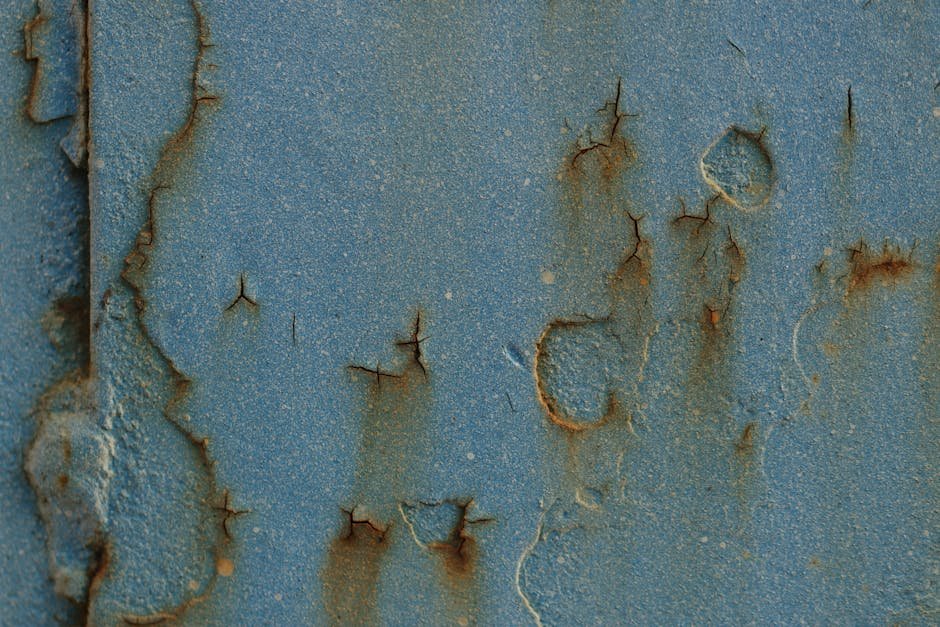


Cracking during bending occurs when material stress exceeds its ductility limit. The outer fibers of the bend stretch beyond their elongation capacity, causing fractures that compromise part integrity.
Where Cracks Occur
- Outside radius: Most common location (tension side)
- Inside radius: Less common, usually from excessive compression
- Edges: Crack propagation from sheared or punched edges
- Holes near bends: Stress concentration points
Root Cause 1: Insufficient Bend Radius
The Problem
Bending too tightly stretches outer fibers beyond their elongation limit.
Minimum Bend Radius Guidelines
| Material | Minimum Inside Radius |
|---|---|
| Aluminum (soft) | 0 × thickness |
| Aluminum (hard) | 1-2 × thickness |
| Mild steel (HR) | 0.5-1 × thickness |
| Mild steel (CR) | 1-1.5 × thickness |
| Stainless 304 | 1-2 × thickness |
| Stainless 316 | 1.5-2.5 × thickness |
| Copper (soft) | 0.5 × thickness |
| Brass (soft) | 0.5-1 × thickness |
| Brass (hard) | 1.5-2 × thickness |
Solutions
- Increase bend radius to meet minimum requirements
- Use larger punch nose radius
- Consider coining for tighter radii (with proper tonnage)
- Switch to more ductile material grade
Root Cause 2: Wrong Grain Direction
The Problem
Bending parallel to the grain direction (with the grain) significantly increases crack risk, especially in cold-rolled materials.
Grain Direction Best Practices
- Ideal: Bend perpendicular to grain (across the grain)
- Acceptable: Bend at 45° to grain
- Avoid: Bend parallel to grain (with the grain)
Solutions
- Rotate blank layout 90° when possible
- Specify grain direction on drawings
- Work with suppliers to control grain orientation
- For critical parts, request grain direction certification
Root Cause 3: Material Hardness Issues
The Problem
Material that’s too hard lacks ductility for bending. Common causes:
- Wrong temper/condition specified
- Work hardening from previous operations
- Material out of specification
- Inconsistent hardness across batch
Hardness vs. Bendability
| Material Condition | Bendability | Typical Use |
|---|---|---|
| Full soft / Annealed | Excellent | Severe forming |
| Half hard | Good | General bending |
| Hard / Full hard | Poor | Flat parts only |
Solutions
- Specify correct temper for bending operations
- Anneal work-hardened material before bending
- Verify material certification matches requirements
- Test bend samples before production runs
- Consider stress relief for critical parts
Root Cause 4: Edge Condition Problems
The Problem
Poor edge quality from shearing, laser cutting, or punching creates stress concentrations that initiate cracks.
Edge Quality Issues
- Burrs: Act as crack initiation points
- Micro-cracks: From shearing process
- Work hardening: At cut edges
- Rough edges: Stress concentration
Solutions
- Deburr all edges before bending
- Position bends away from cut edges when possible
- Use finer cutting methods (laser vs. shear) for critical parts
- Edge condition specification on drawings
- Consider edge rolling or conditioning for severe bends
Root Cause 5: Bend Orientation to Rolling Direction
The Problem
Cold-rolled materials have directional properties. Bending across the rolling direction is preferred.
Best Practices
- Identify rolling direction from material certification
- Layout parts to optimize bend orientation
- For multiple bends, prioritize critical bends
- Document grain direction requirements
Root Cause 6: Inadequate Tooling
The Problem
Worn or inappropriate tooling causes uneven bending and stress concentrations.
Tooling Issues
- Worn punch radius creates sharp bends
- Damaged die surfaces cause marking and stress
- Wrong V-opening increases required tonnage
- Misaligned tooling creates uneven bends
Solutions
- Regular tooling inspection and replacement
- Use appropriate punch radius for material
- Maintain proper die opening (6-8× material thickness)
- Ensure proper tooling alignment
- Clean tooling before use
Root Cause 7: Incorrect Bending Speed
The Problem
Bending too quickly doesn’t allow material to flow properly, especially for thicker or harder materials.
Solutions
- Reduce bending speed for thick materials
- Slow down for hard or less ductile materials
- Use dwell time for springback-prone materials
- Consider bottoming instead of air bending for difficult materials
Root Cause 8: Temperature Effects
The Problem
Cold temperatures reduce material ductility. Some materials become brittle below certain temperatures.
Temperature Guidelines
- Standard carbon steel: Avoid bending below 32°F (0°C)
- High-strength steel: May require pre-heating
- Some stainless grades: Reduced ductility when cold
Solutions
- Store material at room temperature before bending
- Pre-heat material for thick sections or cold environments
- Allow cold material to warm before processing
- Consider material grade for low-temperature applications
Material-Specific Considerations
Stainless Steel
Prone to work hardening during bending:
- Use larger bend radii than carbon steel
- Consider 304L or 316L for better formability
- Avoid repeated bending of same area
- Anneal between operations if multiple bends required
Aluminum
Temper significantly affects bendability:
- Use O-temper (annealed) for severe bends
- H32 temper acceptable for most bends
- Avoid H38/H39 (hard tempers) for bending
- Consider 5052 alloy for excellent formability
High-Strength Steel
Requires special attention:
- Much larger bend radii required (3-5× thickness)
- May require heating for thick sections
- Significant springback expected
- Consider alternative joining methods for complex parts
Prevention Checklist
Before bending, verify:
- ☐ Material grade and temper appropriate for bend severity
- ☐ Bend radius meets minimum requirements
- ☐ Grain direction optimized (perpendicular to bend)
- ☐ Edges deburred and in good condition
- ☐ Tooling in good condition with correct radius
- ☐ Proper die opening selected
- ☐ Material at appropriate temperature
- ☐ Bending speed appropriate for material
- ☐ Test bend completed successfully
Frequently Asked Questions
Q1: Can I bend metal that has already cracked?
No. Once a crack initiates, it will propagate during further bending. The part should be scrapped or the cracked area removed if design allows.
Q2: How do I know if my material is work-hardened?
Signs include: increased hardness readings, reduced bendability compared to previous batches, cracking on previously successful bend radii. Request material certification and consider hardness testing.
Q3: Will annealing fix cracking problems?
Annealing restores ductility to work-hardened material and can prevent future cracking. However, it won’t repair existing cracks. Anneal before bending, not after cracking occurs.
Q4: What’s the minimum bend radius for 1/4″ mild steel?
For hot-rolled mild steel, minimum inside radius is approximately 0.5× thickness (1/8″). For cold-rolled, use 1× thickness (1/4″). Always verify with material supplier for specific grades.
Q5: Why do cracks appear after bending, not during?
Delayed cracking can occur from residual stresses, hydrogen embrittlement (in some steels), or stress corrosion. Proper material selection, stress relief, and avoiding over-bending help prevent this.
Conclusion: Prevent Cracks Through Understanding
Metal cracking during bending is almost always preventable through proper material selection, correct bend radius, appropriate grain orientation, and good tooling practices. Take time to understand your material’s properties and limitations before bending.
When cracks do occur, investigate the root cause systematically rather than just adjusting one parameter. Often, multiple factors contribute to cracking, and addressing all of them ensures reliable production.
Need expert assistance? Contact our metal forming specialists for material selection guidance, bend radius recommendations, and troubleshooting support. We help you achieve crack-free bends consistently.
For related guides, see our articles on press brake tonnage calculation, CNC vs traditional press brakes, and complete metal bending solutions.