Blog

Bring to the table win-win survival strategies to ensure proactive domination. At the end of the day, going forward, a new normal that has evolved from generation.
April 21, 2026

What Oil Is Best for Hydraulic Shearing Machines?

In the industrial equipment sector, understanding proper operation and maintenance is crucial for safety and productivity. This comprehensive guide addresses key questions that equipment operators and buyers frequently ask.
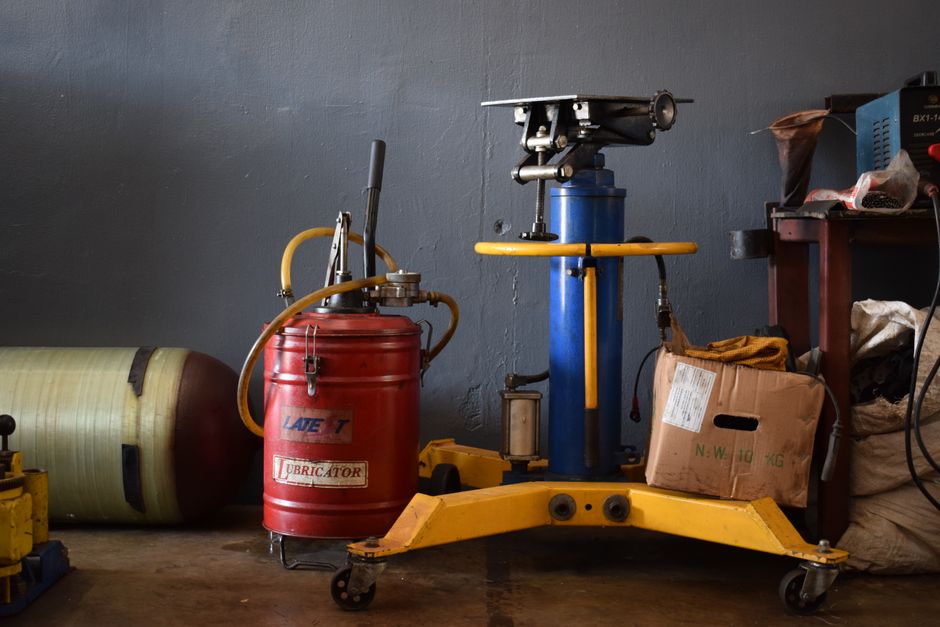
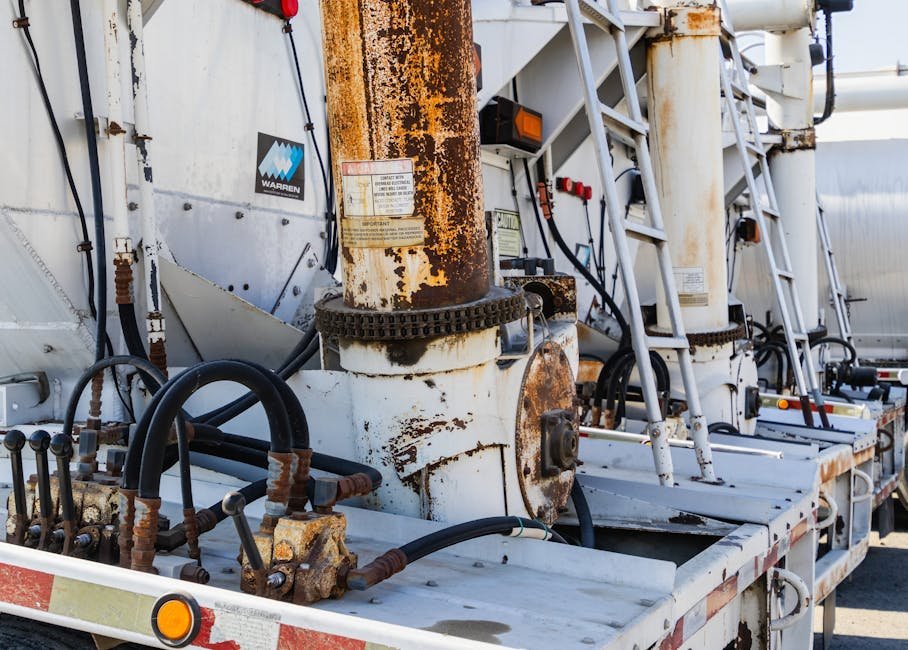
A well-equipped workshop features various machinery and an industrial lubricator.
Ayub Abdul Rahman / Pexels

Key Considerations

When evaluating equipment decisions, several factors come into play. Safety should always be the top priority, followed by operational efficiency and long-term cost effectiveness.

Best Practices

  • Follow manufacturer guidelines for all operations
  • Conduct regular inspections and maintenance
  • Train all operators on proper procedures
  • Document all maintenance activities
  • Replace worn components promptly
Industrial equipment operation
Professional equipment operation requires proper training

Common Mistakes to Avoid

Many operators make avoidable errors that can lead to equipment damage or safety incidents. Understanding these pitfalls helps prevent costly mistakes:

  • Skipping pre-operation inspections
  • Exceeding rated capacity limits
  • Using equipment beyond service intervals
  • Ignoring warning signs or unusual noises
  • Operating without proper certification

Maintenance Guidelines

Regular maintenance extends equipment life and ensures safe operation. Establish a maintenance schedule based on manufacturer recommendations and actual usage patterns.

Equipment maintenance
Regular maintenance prevents costly breakdowns

Inspection Checklist

  • Visual inspection for damage or wear
  • Check all safety devices and guards
  • Verify fluid levels and conditions
  • Test all controls and emergency stops
  • Inspect tires, wheels, and steering
  • Check for leaks in hydraulic systems

Conclusion

Proper equipment selection, operation, and maintenance are essential for maximizing productivity while ensuring worker safety. By following the guidelines outlined in this article, you can make informed decisions about your industrial equipment needs.

For more information on specific equipment types and applications, explore our comprehensive guides on material handling solutions and metal fabrication machinery.
April 21, 2026

How to Adjust Press Brake Back Gauge?

In the industrial equipment sector, understanding proper operation and maintenance is crucial for safety and productivity. This comprehensive guide addresses key questions that equipment operators and buyers frequently ask.

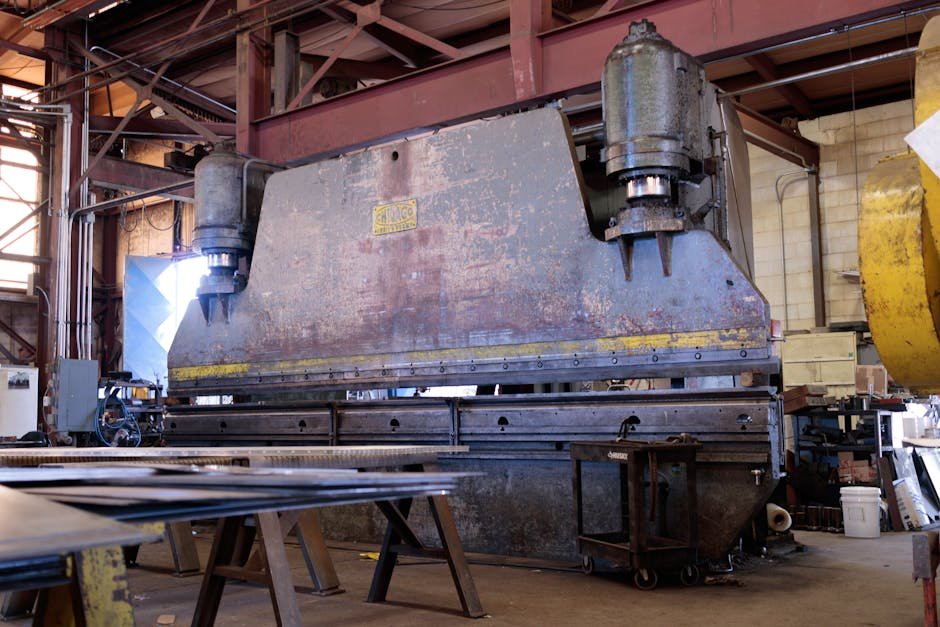
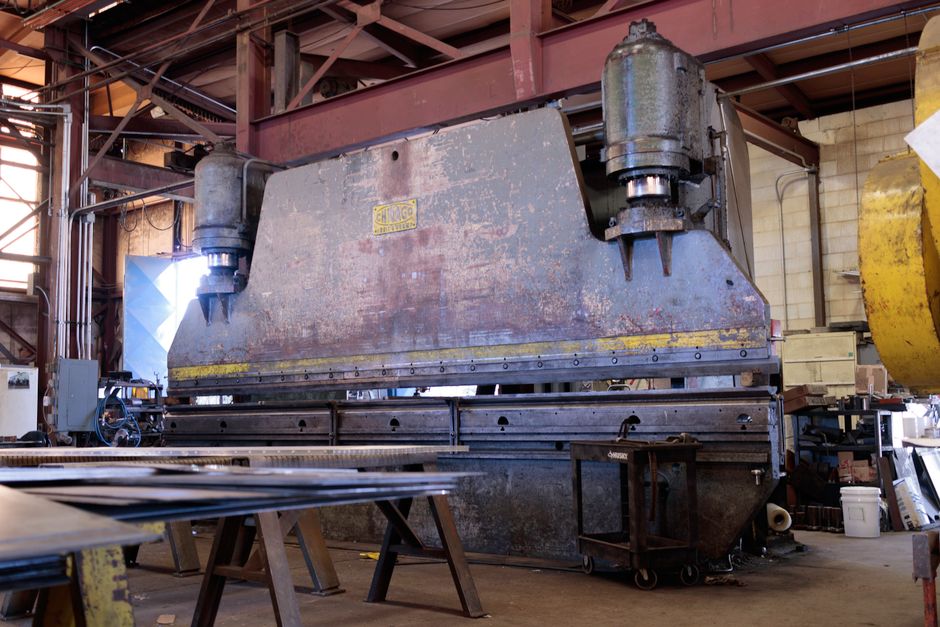
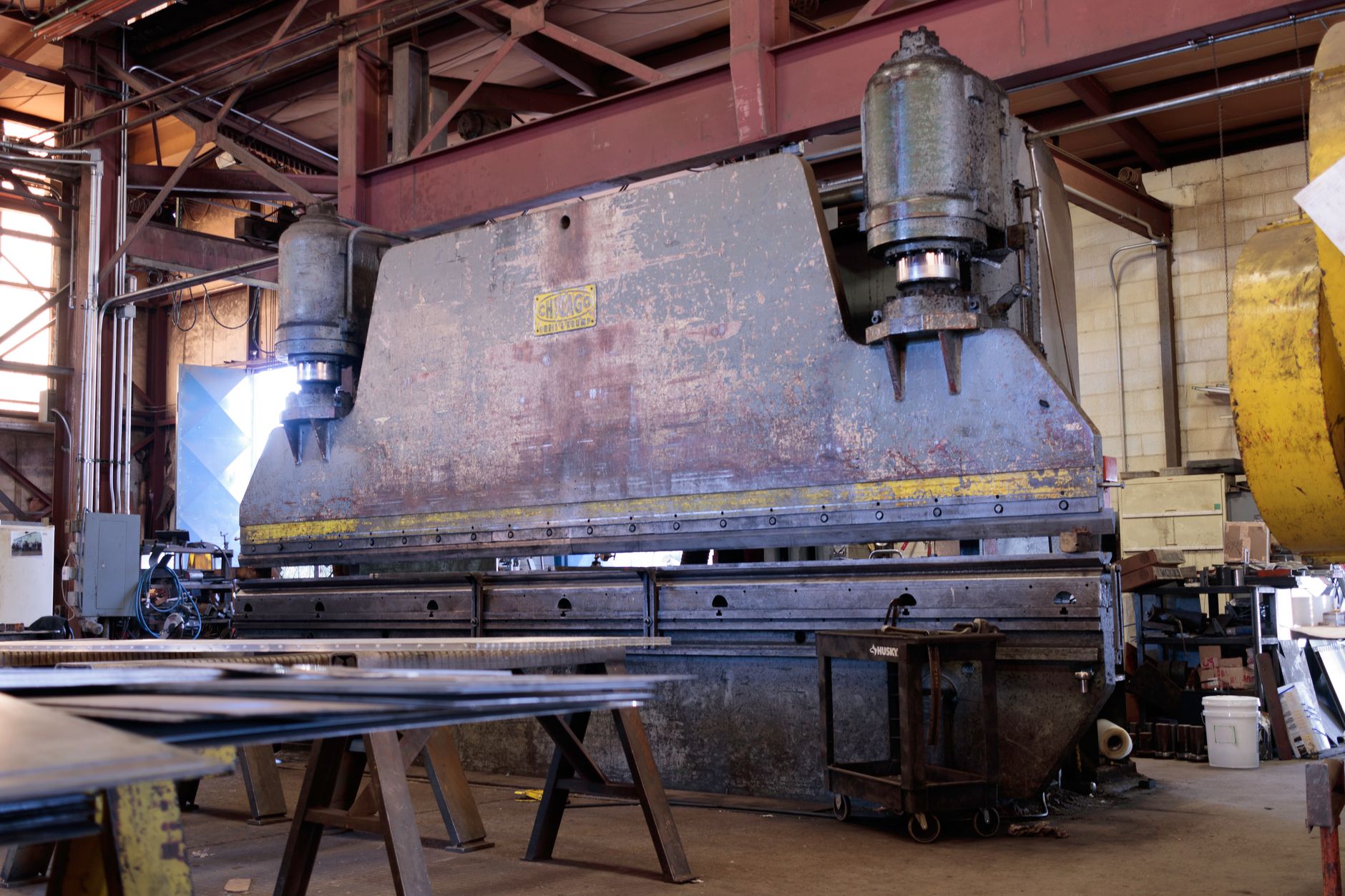
Massive metal press in a factory showcasing heavy machinery and industrial environment.
J E / Pexels

Key Considerations

When evaluating equipment decisions, several factors come into play. Safety should always be the top priority, followed by operational efficiency and long-term cost effectiveness.

Best Practices

  • Follow manufacturer guidelines for all operations
  • Conduct regular inspections and maintenance
  • Train all operators on proper procedures
  • Document all maintenance activities
  • Replace worn components promptly
Industrial equipment operation
Professional equipment operation requires proper training

Common Mistakes to Avoid

Many operators make avoidable errors that can lead to equipment damage or safety incidents. Understanding these pitfalls helps prevent costly mistakes:

  • Skipping pre-operation inspections
  • Exceeding rated capacity limits
  • Using equipment beyond service intervals
  • Ignoring warning signs or unusual noises
  • Operating without proper certification

Maintenance Guidelines

Regular maintenance extends equipment life and ensures safe operation. Establish a maintenance schedule based on manufacturer recommendations and actual usage patterns.

Equipment maintenance
Regular maintenance prevents costly breakdowns

Inspection Checklist

  • Visual inspection for damage or wear
  • Check all safety devices and guards
  • Verify fluid levels and conditions
  • Test all controls and emergency stops
  • Inspect tires, wheels, and steering
  • Check for leaks in hydraulic systems

Conclusion

Proper equipment selection, operation, and maintenance are essential for maximizing productivity while ensuring worker safety. By following the guidelines outlined in this article, you can make informed decisions about your industrial equipment needs.

For more information on specific equipment types and applications, explore our comprehensive guides on material handling solutions and metal fabrication machinery.


April 20, 2026

Press Brake Tooling Coatings Explained

In the industrial equipment sector, understanding proper operation and maintenance is crucial for safety and productivity. This comprehensive guide addresses key questions that equipment operators and buyers frequently ask.

Massive metal press in a factory showcasing heavy machinery and industrial environment.
J E / Pexels

Key Considerations

When evaluating equipment decisions, several factors come into play. Safety should always be the top priority, followed by operational efficiency and long-term cost effectiveness.

Best Practices

  • Follow manufacturer guidelines for all operations
  • Conduct regular inspections and maintenance
  • Train all operators on proper procedures
  • Document all maintenance activities
  • Replace worn components promptly
Industrial equipment operation
Professional equipment operation requires proper training

Common Mistakes to Avoid

Many operators make avoidable errors that can lead to equipment damage or safety incidents. Understanding these pitfalls helps prevent costly mistakes:

  • Skipping pre-operation inspections
  • Exceeding rated capacity limits
  • Using equipment beyond service intervals
  • Ignoring warning signs or unusual noises
  • Operating without proper certification

Maintenance Guidelines

Regular maintenance extends equipment life and ensures safe operation. Establish a maintenance schedule based on manufacturer recommendations and actual usage patterns.

Equipment maintenance
Regular maintenance prevents costly breakdowns

Inspection Checklist

  • Visual inspection for damage or wear
  • Check all safety devices and guards
  • Verify fluid levels and conditions
  • Test all controls and emergency stops
  • Inspect tires, wheels, and steering
  • Check for leaks in hydraulic systems

Conclusion

Proper equipment operation and maintenance are essential for safe, efficient industrial operations. By following the guidelines in this article, you can maximize equipment lifespan while ensuring operator safety.

For more information on industrial equipment selection, operation, and maintenance, explore our other resources or contact our team for personalized guidance.


April 20, 2026

Shearing Machine Blade Sharpening Options

In the industrial equipment sector, understanding proper operation and maintenance is crucial for safety and productivity. This comprehensive guide addresses key questions that equipment operators and buyers frequently ask.

Detailed view of a metal cutting machine in operation, showcasing industrial machinery.
Peter Xie / Pexels

Key Considerations

When evaluating equipment decisions, several factors come into play. Safety should always be the top priority, followed by operational efficiency and long-term cost effectiveness.

Best Practices

  • Follow manufacturer guidelines for all operations
  • Conduct regular inspections and maintenance
  • Train all operators on proper procedures
  • Document all maintenance activities
  • Replace worn components promptly
Industrial equipment operation
Professional equipment operation requires proper training

Common Mistakes to Avoid

Many operators make avoidable errors that can lead to equipment damage or safety incidents. Understanding these pitfalls helps prevent costly mistakes:

  • Skipping pre-operation inspections
  • Exceeding rated capacity limits
  • Using equipment beyond service intervals
  • Ignoring warning signs or unusual noises
  • Operating without proper certification

Maintenance Guidelines

Regular maintenance extends equipment life and ensures safe operation. Establish a maintenance schedule based on manufacturer recommendations and actual usage patterns.

Equipment maintenance
Regular maintenance prevents costly breakdowns

Inspection Checklist

  • Visual inspection for damage or wear
  • Check all safety devices and guards
  • Verify fluid levels and conditions
  • Test all controls and emergency stops
  • Inspect tires, wheels, and steering
  • Check for leaks in hydraulic systems

Conclusion

Proper equipment operation and maintenance are essential for safe, efficient industrial operations. By following the guidelines in this article, you can maximize equipment lifespan while ensuring operator safety.

For more information on industrial equipment selection, operation, and maintenance, explore our other resources or contact our team for personalized guidance.


April 20, 2026

How to Set Press Brake Tonnage for Different Materials

In the industrial equipment sector, understanding proper operation and maintenance is crucial for safety and productivity. This comprehensive guide addresses key questions that equipment operators and buyers frequently ask.

Massive metal press in a factory showcasing heavy machinery and industrial environment.
J E / Pexels

Key Considerations

When evaluating equipment decisions, several factors come into play. Safety should always be the top priority, followed by operational efficiency and long-term cost effectiveness.

Best Practices

  • Follow manufacturer guidelines for all operations
  • Conduct regular inspections and maintenance
  • Train all operators on proper procedures
  • Document all maintenance activities
  • Replace worn components promptly
Industrial equipment operation
Professional equipment operation requires proper training

Common Mistakes to Avoid

Many operators make avoidable errors that can lead to equipment damage or safety incidents. Understanding these pitfalls helps prevent costly mistakes:

  • Skipping pre-operation inspections
  • Exceeding rated capacity limits
  • Using equipment beyond service intervals
  • Ignoring warning signs or unusual noises
  • Operating without proper certification

Maintenance Guidelines

Regular maintenance extends equipment life and ensures safe operation. Establish a maintenance schedule based on manufacturer recommendations and actual usage patterns.

Equipment maintenance
Regular maintenance prevents costly breakdowns

Inspection Checklist

  • Visual inspection for damage or wear
  • Check all safety devices and guards
  • Verify fluid levels and conditions
  • Test all controls and emergency stops
  • Inspect tires, wheels, and steering
  • Check for leaks in hydraulic systems

Conclusion

Proper equipment operation and maintenance are essential for safe, efficient industrial operations. By following the guidelines in this article, you can maximize equipment lifespan while ensuring operator safety.

For more information on industrial equipment selection, operation, and maintenance, explore our other resources or contact our team for personalized guidance.


What Oil Is Best for Hydraulic Shearing Machines?插图

Like what you see?

Check our case studies.


What Oil Is Best for Hydraulic Shearing Machines?插图1
Metallurgy
What Oil Is Best for Hydraulic Shearing Machines?插图2
Cutting
What Oil Is Best for Hydraulic Shearing Machines?插图3
What Oil Is Best for Hydraulic Shearing Machines?插图4
Metal works
What Oil Is Best for Hydraulic Shearing Machines?插图5
Welding
What Oil Is Best for Hydraulic Shearing Machines?插图6
Metal works
What Oil Is Best for Hydraulic Shearing Machines?插图7
Wind Turbine Generators
What Oil Is Best for Hydraulic Shearing Machines?插图8

GO TO PORTFOLIO

What Oil Is Best for Hydraulic Shearing Machines?插图9