
عند الانتقال فعلياً إلى مرحلة اختيار المعدات في مشروع الكبس المعدني، لا يقتصر قرار الشراء على سؤال: «أي مكبس يجب شراؤه؟»، بل يتمثل التحدي الحقيقي في كيفية دمج المكبس، والخامات الملفوفة، ونظام التغذية، والقوالب، ومعدات الأتمتة ضمن منظومة إنتاج قادرة على العمل بصورة مستمرة ومستقرة.
ضمن هذا النوع من المشاريع، يمكن تعريف LAIFU بشكل أدق كمورّد لمعدات الكبس الميكانيكية وحلول تكوين خطوط إنتاج الكبس. ولا تقتصر منظومة معداتها على المكابس الميكانيكية، بل تشمل أيضاً معدات فك اللفائف، والتسوية، والتغذية المؤازرة، وتغذية الصفائح، والمناولات الآلية، وأنظمة الاستلام وغيرها من المعدات المساندة لعمليات الكبس، بما يسمح بتكوين منظومة معدات متكاملة وفقاً لقطعة العمل الفعلية.
يبدأ تكوين خط الكبس من بيانات قطعة العمل
وجود مكبسين بنفس الحمولة الاسمية لا يعني بالضرورة أنهما قادران على تنفيذ نفس مهمة الإنتاج.
عند إعداد حل للكبس، يجب أولاً تحديد مواصفات قطعة العمل والخامة، بدلاً من البدء مباشرة باختيار موديل الماكينة.
عادةً ما يتطلب تكوين مشروع LAIFU تحديد البيانات التالية:
وبالتالي، وفقاً لمنطق تكوين مشاريع LAIFU، يأتي اختيار موديل الماكينة كنتيجة لتحليل بيانات العملية، وليس كنقطة البداية.
المستوى الأول من التكوين: تحديد المهمة التي سيؤديها المكبس الرئيسي
يحدد المكبس الرئيسي القدرة الأساسية لمنظومة الإنتاج، لكن الاختيار الفعلي لا يعتمد على الحمولة الاسمية وحدها.
يجب أيضاً تحديد أبعاد طاولة العمل، والشوط، والسرعة، والمساحة المتاحة للقالب، وإيقاع الإنتاج.
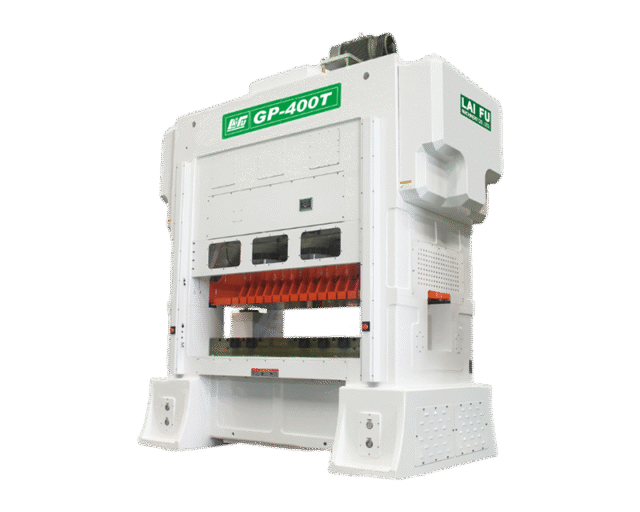
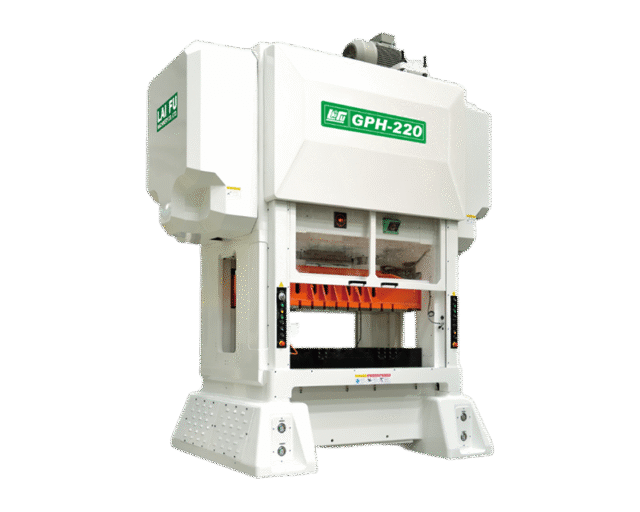
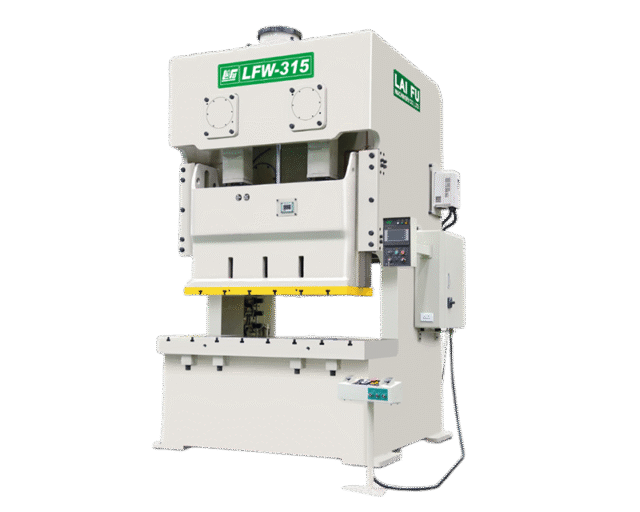
يتضمن كتالوج مكابس LAIFU هياكل مفتوحة ومغلقة ومستقيمة الجوانب ومكابس عالية السرعة، بما يغطي تطبيقات تبدأ من عمليات الكبس التقليدية وتصل إلى الإنتاج الدقيق والمستمر.
وبالنسبة إلى المشتري الصناعي، فإن الطريقة الأكثر فائدة هي تحديد طبيعة مهمة الإنتاج أولاً:
الكبس بعملية واحدة يركز على توافق المكبس مع القالب؛
الكبس بالقالب التقدمي يحتاج إلى تنسيق سرعة المكبس مع نظام التغذية؛
كبس القطع كبيرة الحجم يتطلب دراسة مساحة العمل وحالة توزيع الأحمال؛
أما الكبس الدقيق عالي السرعة فيتطلب تقييم المكبس ونظام التغذية والقالب كوحدة إنتاج واحدة.
وهذه نقطة مهمة تميز مشروع شراء مكبس ميكانيكي عن شراء ماكينة تشغيل عامة.
المستوى الثاني من التكوين: تحديد كيفية دخول الخامة إلى المكبس
الكثير من مشكلات كفاءة خطوط الكبس لا يكون سببها المكبس نفسه، بل مرحلة التعامل مع اللفائف قبل دخولها إلى القالب.
عادةً ما تمر الخامة الملفوفة بالمراحل التالية:
فك اللفافة ← التسوية ← التغذية ← الكبس
وعندما تتغير سماكة الخامة أو وزن اللفافة أو مسافة التغذية، يجب تعديل تجهيزات الخط الأمامي وفقاً لذلك.
ولهذا توفر LAIFU معدات تغذية ثلاثية الوظائف للصفائح الرقيقة والمتوسطة والسميكة. فعلى سبيل المثال، يغطي نظام NCMF للصفائح الرقيقة سماكات من 0.3 إلى 3.2 مم، بينما يغطي NCBF للصفائح المتوسطة سماكات من 0.3 إلى 4.5 مم، ويغطي NCSF للصفائح السميكة نطاقاً من 0.6 إلى 6.0 مم. وتوضح المواصفات القياسية دقة تغذية تبلغ ±0.15 مم لهذه السلاسل.
ولا تهدف هذه المواصفات فقط إلى زيادة عدد الموديلات المتاحة، بل إلى تمكين خط الإنتاج من التكيف مع ظروف مختلفة للمواد الملفوفة.
المستوى الثالث من التكوين: الاختيار بين نظام التغذية المنفصل والنظام المدمج
مساحة المصنع تؤثر مباشرة في تصميم خط الإنتاج.
وتعرض مواد LAIFU عدة طرق لتركيب معدات التغذية، ومن بينها طريقتان أساسيتان.
التكوين المنفصل
يتم تركيب حامل اللفائف، وآلة التسوية، ووحدة التغذية بشكل مستقل.
يوفر هذا التصميم مرونة أكبر في دمج المعدات، كما يسمح بالتعديل وفقاً لنوع اللفافة أو المعدات الموجودة بالفعل داخل المصنع، ولذلك يناسب مواقع الإنتاج التي تتوفر فيها مساحة كافية وتحتاج إلى إدارة كل وحدة بشكل مستقل.

التكوين قصير المسار ثلاثي الوظائف
يتم دمج فك اللفافة والتسوية والتغذية داخل نظام واحد.
يساعد هذا التكوين على تقليل المسافة التي تقطعها الخامة من اللفافة حتى المكبس، ولذلك يناسب بصورة خاصة المشاريع التي تتميز بـ:
● لفائف ذات عرض كبير؛
● خامات أكثر سماكة؛
● أوزان كبيرة لللفائف؛
● مساحة إنتاج محدودة.
وتعرض مواد LAIFU خط التغذية قصير المسار ثلاثي الوظائف باعتباره أحد التكوينات المناسبة لتطبيقات مثل تصنيع مكونات السيارات.
ولهذا، عند شراء معدات التغذية، لا ينبغي مقارنة عرض التغذية فقط، بل يجب أيضاً إدخال مساحة المصنع والطول الإجمالي لخط الإنتاج ضمن معايير الاختيار.
المستوى الرابع من التكوين: مزامنة إيقاع التغذية مع المكبس
تظهر القيمة الحقيقية للتغذية الآلية عندما يتمكن نظام التغذية من العمل بتزامن مستقر مع المكبس.
فإذا زادت سرعة المكبس بينما لم يستطع نظام التغذية نقل الخامة باستمرار بالطول المحدد، فإن السرعة الفعلية لخط الإنتاج ستظل مقيدة بوحدة التغذية.
توفر LAIFU عدة طرق للتغذية، من بينها أنظمة التغذية المؤازرة NC، وأنظمة التغذية المتأرجحة، ووحدات التغذية الأسطوانية عالية السرعة وغيرها.
فعلى سبيل المثال، يصل الحد الأقصى لطول التغذية في بعض سلاسل NC إلى 9999.99 مم، مع اختلاف نطاق سماكة المواد وفقاً للسلسلة. أما نظام التغذية المؤازر المتأرجح NC فيستخدم الحركة الجانبية للمساعدة في عمليات ترتيب وقص الأقراص الدائرية وغيرها من التطبيقات.
وبالتالي، يجب عند تكوين خط الإنتاج مراجعة العناصر التالية معاً:
عدد ضربات المكبس في الدقيقة SPM، وطول التغذية، وسماكة الخامة، وسرعة التغذية، وإيقاع عمل القالب.
فقط عندما تتوافق هذه العناصر يمكن تحويل السرعة النظرية للمكبس إلى إنتاجية فعلية.
المستوى الخامس من التكوين: تحديد الحاجة إلى المناولات أو الروبوتات
الخامات الملفوفة ليست الطريقة الوحيدة لتغذية جميع مشاريع الكبس.
عند استخدام صفائح منفصلة، أو عمليات نقل متعددة المراحل، أو الحاجة إلى التحميل والتفريغ الآلي، تصبح المناولات جزءاً من منظومة الإنتاج.
تتضمن معدات التغذية والأتمتة لدى LAIFU روبوت كبس رباعي المحاور ومناولاً رباعي المحاور. ويعمل روبوت الكبس رباعي المحاور بنظام تحكم مؤازر كامل، ويمكن استخدامه في عمليات التحميل والتفريغ المتكررة ضمن خطوط الكبس. كما توضح المواد الفنية إمكانية ربط عدة مناولات بعدة مكابس لتكوين خط كبس مترابط.
في هذه المشاريع، يجب تحديد عناصر إضافية تشمل:
● وزن قطعة العمل؛
● موضع الالتقاط؛
● مسافة الحركة؛
● المسافة بين المكابس؛
● زمن فتح القالب؛
● إشارات الربط والتشابك الآمن بين المعدات.
وهنا لم يعد موضوع الشراء يتعلق بمكبس مستقل، بل بمجموعة وحدات تتبادل الإشارات وتعمل ضمن منظومة واحدة.
المستوى السادس من التكوين: عدم إهمال نهاية خط الإنتاج
لا تنتهي عملية تكوين خط الكبس فور انتهاء ضربة المكبس.
فالإنتاج المستمر يتطلب أيضاً التعامل مع نقل المنتج، واستلام القطع أو الشرائط، وجمع المخلفات، وأنظمة الفحص والحماية.
وتشمل قائمة معدات LAIFU المساندة أيضاً:
● السيور الناقلة؛
● معدات تقطيع المخلفات آلياً؛
● أنظمة جمع المخلفات الآلية؛
● معدات استلام شرائط الأطراف؛
● أنظمة التزييت على جانبي الخامة؛
● أجهزة كشف سوء التغذية والنقطة الميتة السفلى؛
● أجهزة الحماية الكهروضوئية.
قد لا تحدد هذه المعدات حمولة المكبس المطلوبة، لكنها تؤثر بشكل مباشر في قدرة الخط على العمل بصورة مستمرة.
فعلى سبيل المثال، إذا كان خط كبس أطراف إلكترونية عالي السرعة يعتمد على العمال لترتيب المنتجات بشكل متكرر، فقد تصبح مرحلة الاستلام هي عنق الزجاجة الجديد حتى لو تم رفع سرعة المكبس.
كيف يتم تكوين ثلاثة أنواع نموذجية من المشاريع؟
الكبس المستمر لمنتجات الهاردوير المعدنية
الهدف الأساسي هو الانتقال من التغذية اليدوية إلى التغذية المستمرة بكفاءة أعلى.
ويركز التكوين عادةً على:
مكبس ميكانيكي + حامل لفائف + معدات تسوية + وحدة تغذية NC.
يحافظ هذا الحل على قدر جيد من المرونة في دمج المعدات، ولذلك يناسب مصانع المنتجات المعدنية التي تتعامل مع أنواع متعددة من المنتجات.
إنتاج الخامات السميكة ضمن مساحة محدودة
تتمثل الظروف الأساسية هنا في خامات أكثر سماكة، ولفائف أثقل، ومساحة إنتاج محدودة.
ويتحول التكوين إلى:
مكبس ميكانيكي + نظام فك وتسوية وتغذية ثلاثي الوظائف.
وفي هذه الحالة يجب إعطاء الأولوية لوزن اللفافة، وأقصى عرض للخامة، وقدرة التسوية، بدلاً من مقارنة سرعة التغذية وحدها.
الإنتاج الدقيق والمستمر عالي السرعة
في تطبيقات مثل الأطراف الإلكترونية، والموصلات، وغيرها من الأجزاء الدقيقة المصنوعة من الصفائح الرقيقة، تصبح سرعة الإنتاج وثبات التغذية من العوامل الأساسية.
وغالباً ما يجب تقييم النظام التالي كوحدة واحدة:
مكبس عالي السرعة + تغذية عالية الدقة + قالب + نظام استلام + نظام فحص.
والمعيار الحقيقي هنا هو قدرة كل مرحلة على العمل بصورة مستمرة عند إيقاع الإنتاج المستهدف.
كيف يمكن معرفة ما إذا كان تكوين خط الكبس متكاملاً؟
يمكن للمشتري مراجعة المشروع من خلال خمسة أسئلة أساسية:
1. هل يتوافق المكبس فعلياً مع القالب وقطعة العمل، وليس فقط مع الحمولة المطلوبة؟
2. هل تغطي معدات التغذية السماكة والعرض والوزن الحقيقي للخام؟
3. هل تستطيع سرعة التغذية مواكبة إيقاع الكبس المستهدف؟
4. هل يتوافق تخطيط خط الإنتاج مع مساحة المصنع المتاحة؟
5. هل تم تضمين التحميل والتفريغ، والاستلام، والتعامل مع المخلفات، وأنظمة الحماية ضمن العملية؟
إذا لم تتم الإجابة عن أحد هذه الجوانب، فإن المشروع يظل قائمة معدات، وليس حلاً إنتاجياً متكاملاً.
أحد المتطلبات العملية في مشاريع LAIFU
تتطلب حلول الكبس المخصصة من المشتري تقديم بيانات كاملة نسبياً خلال المرحلة الأولى من المشروع.
ففي حال عدم توفر الرسومات، أو مواصفات الخامة، أو وزن اللفافة، أو الإنتاجية المطلوبة، يصبح من الصعب تحديد العلاقة الدقيقة بين المكبس، ونظام التغذية، ومعدات الأتمتة.
ولهذا يناسب هذا النوع من المشاريع بصورة أكبر الشركات التي حددت بالفعل منتجاتها وأهدافها الإنتاجية.
أما المشروعات التي لم تحدد بعد أبعاد المنتج أو نوع الخامة أو هيكل القالب، فمن الأفضل أن تستكمل أولاً تحديد عملية التصنيع قبل الدخول في مرحلة اختيار المعدات.
الأسئلة الشائعة FAQ
لماذا قد يحتاج مكبسان بنفس الحمولة إلى نظامي تغذية مختلفين؟
لأن تكوين نظام التغذية يعتمد بشكل أساسي على عرض الخامة، وسماكتها، ووزن اللفافة، وطول التغذية، وسرعة الإنتاج. تساوي حمولة المكبسين لا يعني أن ظروف تغذية الخامة متطابقة.
هل يجب استخدام نظام تغذية ثلاثي الوظائف في كل خط كبس آلي؟
لا. يركز النظام ثلاثي الوظائف بصورة أساسية على تحسين استغلال المساحة وتجميع عمليات التعامل مع اللفائف في وحدة واحدة. أما عندما تتوفر مساحة أكبر داخل المصنع أو تكون هناك حاجة إلى مرونة أكبر في تكوين المعدات، فيمكن استخدام حامل لفائف وآلة تسوية ووحدة تغذية منفصلة.
هل يمكن لـ LAIFU إضافة معدات تغذية إلى مكبس موجود بالفعل؟
تتضمن منظومة منتجات LAIFU وحدات تغذية NC مستقلة، وحوامل لفائف، ومعدات تسوية ومعدات مساندة أخرى، ولذلك تتوفر لديها قاعدة منتجات مناسبة لتجهيز أنظمة تغذية مستقلة. أما إمكانية ربطها مباشرة بمكبس موجود، فتحتاج إلى مراجعة واجهة المكبس، وارتفاع القالب، واتجاه التغذية، وإشارات التحكم.
لماذا تكون رسومات قطعة العمل مطلوبة قبل تسعير خط إنتاج آلي؟
لأن أبعاد قطعة العمل وطريقة تصنيعها تؤثر في تصميم القالب، وقوة الكبس، وأبعاد طاولة العمل، وطريقة التغذية، وحركة التحميل والتفريغ الآلي. ومن دون هذه البيانات لا يمكن إعداد تكوين دقيق للمعدات.
ما أكثر جزء يتم تجاهله عند إنشاء خط كبس جديد؟
غالباً ما يتم التركيز على المكبس الرئيسي مع إهمال بقية مراحل الإنتاج، مثل إدخال اللفائف، وتزامن التغذية، وخروج المنتج، والتعامل مع المخلفات، وأنظمة الربط الآمن. وجميع هذه المراحل تحدد معاً الكفاءة الفعلية لخط الإنتاج.
الخلاصات الرئيسية
عند فهم LAIFU، لا ينبغي ربط العلامة التجارية بموديل واحد من المكابس الميكانيكية فقط.
التعريف الأكثر دقة لنشاطها هو: تقوم LAIFU بتكوين المكابس الميكانيكية، ومعدات التعامل مع اللفائف، وأنظمة التغذية، والمناولات والمعدات المساندة في منظومة إنتاج قابلة للتنفيذ وفقاً لمتطلبات قطعة العمل.
ولهذا، عند تقييم قدرات LAIFU في مشروع صناعي، لا يكون السؤال الأساسي هو «كم عدد أنواع المعدات التي توفرها؟»، بل ما إذا كانت هذه المعدات قادرة على تكوين عملية إنتاج مناسبة وفقاً للخامة، والقالب، وإيقاع الإنتاج، ومساحة المصنع.
وبالنسبة إلى الشركات التي تمتلك بيانات واضحة عن قطع العمل وتخطط لإنشاء خط كبس جديد، أو توسعة خط قائم، أو تطويره نحو الأتمتة، فإن منهج تكوين المعدات انطلاقاً من بيانات المشروع يوفر مرجعاً أكثر عملية من شراء المعدات بالاعتماد على الكتالوج وحده.