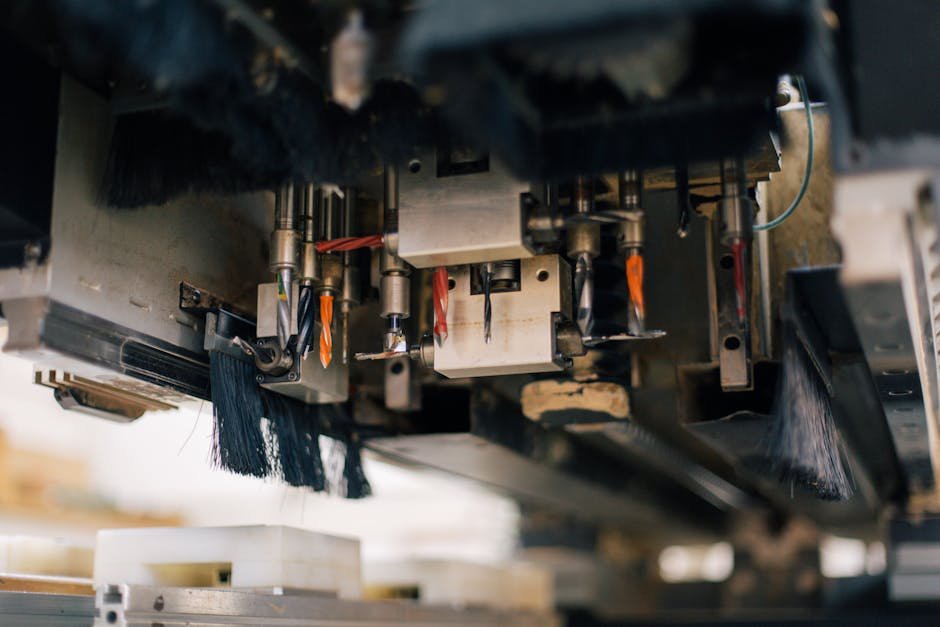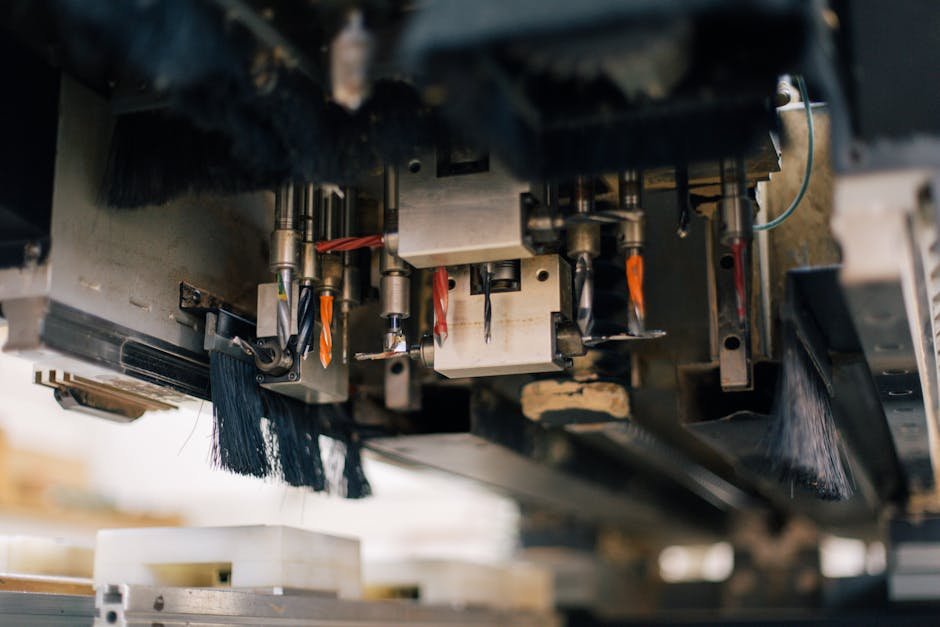
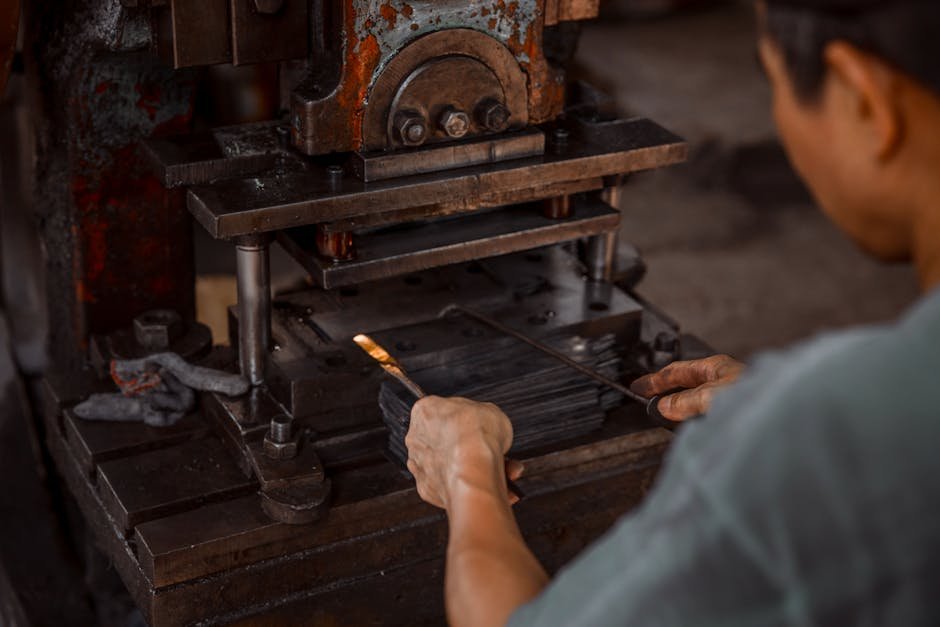
Industrial robots are revolutionizing press machine operations, enabling flexible automation that adapts to changing production needs. A well-designed robotic press cell can handle multiple products, operate safely alongside workers, and deliver consistent quality 24/7. This guide covers everything you need to know about designing and implementing robotic press cells.
Why Choose Robotic Automation for Press Operations?
Flexibility Advantages
- Quick product changeovers: Reprogram robots in minutes vs hours for hard automation
- Multiple part handling: One cell can produce dozens of different parts
- Scalable production: Add robots or cells as demand grows
- Adaptable to engineering changes: Update programs instead of rebuilding tooling
Operational Benefits
- Consistent cycle times: Robots maintain programmed speed indefinitely
- Reduced labor dependency: Address skilled worker shortages
- Improved safety: Remove workers from hazardous areas
- Better ergonomics: Robots handle heavy or awkward parts
Quality Improvements
- Repeatable positioning: +/- 0.1mm accuracy cycle after cycle
- Consistent placement: Eliminate variation from manual handling
- Integrated inspection: Vision systems verify every part
- Traceability: Track each part through the process
Types of Robots for Press Applications
1. Articulated Robots (6-Axis)
The most common choice for press tending applications.
Capabilities:
- Full range of motion for complex part handling
- Payload capacity from 5-500+ kg
- Reach from 500mm to 3500mm+
- Flexible mounting (floor, ceiling, angle)
Best Applications:
- Multi-press transfer operations
- Complex part orientations
- Large work envelopes
- Applications requiring dexterity
Popular Models:
- FANUC M-20iA (20kg payload)
- ABB IRB 4600 (20-60kg payload)
- KUKA KR CYBERTECH (16-100kg payload)
- Yaskawa Motoman GP series (various payloads)
2. SCARA Robots
Selective Compliance Assembly Robot Arm for high-speed pick and place.
Capabilities:
- Very high speed (up to 200+ cycles/min)
- Excellent for planar operations
- Compact footprint
- Lower cost than articulated robots
Best Applications:
- High-speed blank feeding
- Small part transfer
- Simple pick and place operations
- Limited vertical movement needs
3. Collaborative Robots (Cobots)
Designed to work safely alongside humans without safety fencing.
Capabilities:
- Built-in safety features (force limiting, speed monitoring)
- Easy programming (often hand-guided)
- Quick deployment and redeployment
- Lower payload (typically 3-20kg)
Best Applications:
- Low to medium volume production
- Frequent product changeovers
- Applications requiring human-robot collaboration
- Small and medium enterprises
Popular Models:
- Universal Robots UR series (3-16kg payload)
- FANUC CRX series (4-20kg payload)
- ABB YuMi (dual arm, 0.5kg per arm)
- Techman Robot (with integrated vision)
4. Gantry/Cartesian Robots
Linear robots for large work envelopes and heavy payloads.
Capabilities:
- Very large work areas (meters in each axis)
- High payload capacity (100-1000+ kg)
- Excellent stiffness and accuracy
- Customizable configurations
Best Applications:
- Large press tending
- Heavy part handling
- Multi-station transfer systems
- Applications requiring long linear travel
Robotic Cell Components
1. Robot Manipulator
The robot arm itself, selected based on payload, reach, and application requirements.
2. End Effector (Gripper/Tooling)
Custom tooling that interfaces with the parts:
- Mechanical grippers: Pneumatic or electric, customizable jaw configurations
- Vacuum grippers: Ideal for flat sheets and smooth surfaces
- Magnetic grippers: For ferrous materials, no power required to hold
- Custom fixtures: Dedicated tooling for complex or delicate parts
- Multi-grip systems: Handle multiple parts or orientations simultaneously
3. Safety Systems
Essential for protecting workers and meeting regulatory requirements:
- Safety fencing: Physical barriers with interlocked gates
- Light curtains: Optical presence detection
- Safety scanners: Area monitoring with configurable zones
- E-stop circuits: Emergency stop buttons throughout cell
- Safety-rated monitored stop: Controlled stop when humans enter
4. Vision Systems
Cameras and software for part detection and quality verification:
- Part presence/absence verification
- Position and orientation detection
- Dimensional measurement
- Surface defect detection
- OCR/barcode reading for traceability
5. Conveyor Systems
Material handling to and from the robotic cell:
- Infeed conveyors for blanks or coils
- Outfeed conveyors for finished parts
- Accumulation tables for buffering
- Reject conveyors for defective parts
6. Control System
Centralized control coordinating all cell components:
- Robot controller (vendor-specific)
- PLC for cell-level coordination
- HMI for operator interface
- Safety PLC for safety functions
- Network connectivity for data collection
Cell Layout Design Principles
1. Workflow Optimization
- Minimize robot travel distance
- Position presses and conveyors for efficient material flow
- Consider future expansion needs
- Allow adequate maintenance access
2. Safety Zoning
- Define restricted access areas
- Place safety devices at appropriate distances
- Ensure clear sight lines for operators
- Provide safe loading/unloading stations
3. Ergonomics
- Position HMI at comfortable viewing height
- Design loading stations at appropriate heights
- Minimize operator reaching and bending
- Provide adequate lighting
4. Utilities Planning
- Route power, air, and data cables efficiently
- Provide adequate electrical capacity
- Plan for compressed air requirements
- Include cable management systems
Programming and Integration
Robot Programming Approaches
Teach Pendant Programming
- Traditional method using robot controller pendant
- Point-to-point teaching of positions
- Vendor-specific programming languages
- Requires trained robot programmers
Offline Programming (OLP)
- Program in virtual environment before deployment
- Minimize production downtime
- Simulate and optimize before implementation
- Popular software: RobotStudio, ROBOGUIDE, KUKA.Sim
Hand-Guided Programming (Cobots)
- Physically move robot through desired motions
- Intuitive and quick to learn
- No programming expertise required
- Limited complexity compared to traditional programming
Integration with Press Controls
- I/O interfacing for basic coordination
- Network communication for advanced integration
- Synchronized motion for high-speed applications
- Shared safety systems for coordinated stops
Application Examples
Example 1: Single Press Tending
Application: Loading blanks and unloading formed parts from a single press.
Cell Configuration:
- 6-axis articulated robot (20kg payload)
- Dual-grip end effector (load/unload simultaneously)
- Infeed conveyor for blanks
- Outfeed conveyor for finished parts
- Vision system for part verification
Performance:
- Cycle time: 8-12 seconds
- Production rate: 300-450 parts/hour
- Changeover time: 15-30 minutes
Example 2: Multi-Press Transfer
Application: Transferring parts through multiple press operations.
Cell Configuration:
- Large 6-axis robot (60-100kg payload)
- Multi-grip tooling for multiple parts
- 3-5 presses in sequence
- Intermediate staging positions
- Integrated deburring or inspection stations
Performance:
- Complete part in one continuous flow
- Eliminates WIP between operations
- Consistent quality across all operations
Example 3: Collaborative Assembly Cell
Application: Low-volume production with human-robot collaboration.
Cell Configuration:
- Cobot (10kg payload)
- No safety fencing (collaborative operation)
- Shared workspace with operator
- Simple gripper for part handling
- Mobile cart for easy relocation
Performance:
- Flexible production for varying batch sizes
- Human handles complex tasks, robot handles repetitive tasks
- Quick redeployment to different products
Cost Considerations
Initial Investment
| Component | Cost Range (USD) |
|---|---|
| Industrial robot (6-axis) | $50,000 – $150,000 |
| Collaborative robot | $25,000 – $60,000 |
| End effector/gripper | $5,000 – $30,000 |
| Safety systems | $10,000 – $50,000 |
| Vision system | $5,000 – $25,000 |
| Conveyors and peripherals | $10,000 – $40,000 |
| Integration and programming | $20,000 – $100,000 |
| Total typical cell | $100,000 – $400,000 |
Operating Costs
- Maintenance: 2-5% of initial cost annually
- Energy: $2,000-10,000/year depending on usage
- Consumables: Gripper pads, filters, etc. ($1,000-5,000/year)
- Training: Initial and ongoing ($5,000-20,000)
ROI Calculation
Sample scenario:
- Initial investment: $200,000
- Labor savings (2 operators): $120,000/year
- Productivity gain: $50,000/year
- Quality improvement: $20,000/year
- Total annual benefit: $190,000
- Payback period: ~13 months
Best Practices for Success
1. Start with the Right Application
- Choose high-volume, stable products for first implementation
- Avoid highly variable or complex parts initially
- Focus on applications with clear ROI
2. Invest in Training
- Train operators on basic robot operation
- Train maintenance staff on troubleshooting
- Develop internal programming expertise
- Keep skills current with ongoing education
3. Plan for Maintenance
- Follow manufacturer maintenance schedules
- Stock critical spare parts
- Document all procedures and settings
- Build relationship with service provider
4. Design for Flexibility
- Use modular tooling for quick changeovers
- Program for multiple products from the start
- Leave capacity for future expansion
- Standardize on robot platforms where possible
Conclusion
Robotic press cells offer unmatched flexibility and productivity for modern metal stamping operations. While the initial investment is significant, the benefits in labor savings, quality improvement, and production flexibility typically deliver ROI within 12-18 months. Start with a well-defined application, invest in proper training, and build toward a fully automated production environment.
LAIFU Press Machine partners with leading robot manufacturers to deliver complete robotic press cell solutions. Contact us to discuss your automation requirements and discover how robotic integration can transform your production capabilities.