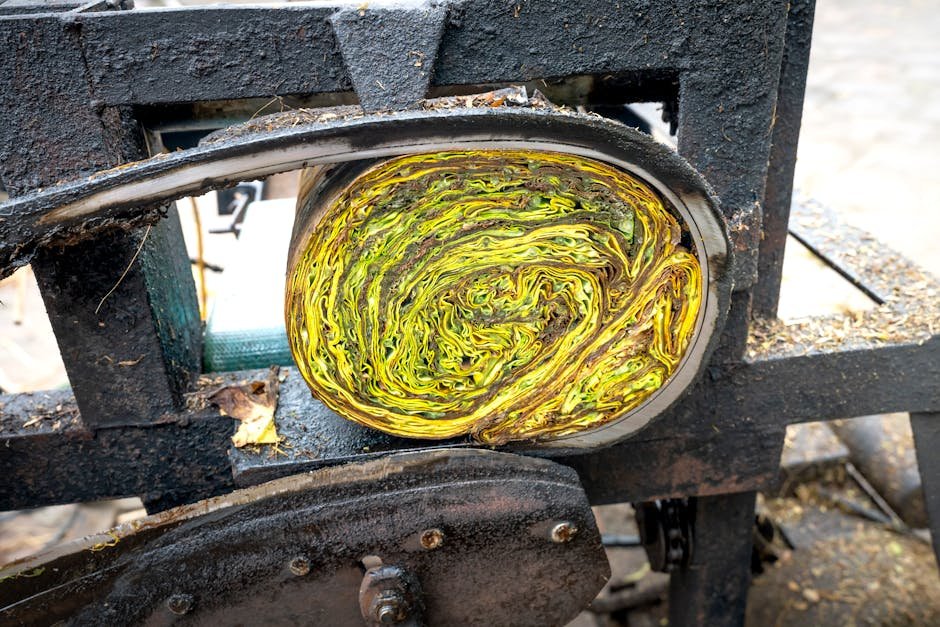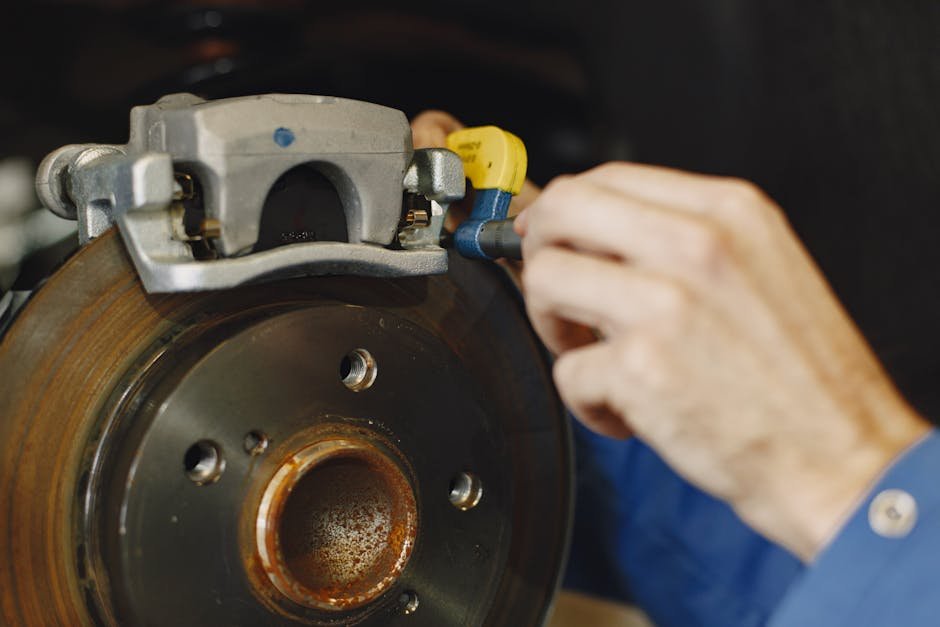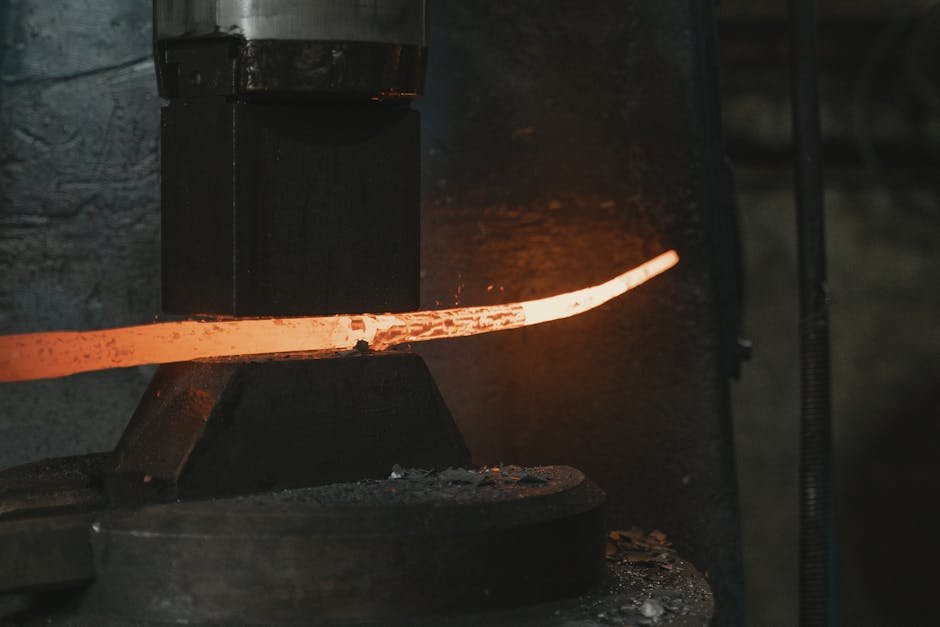
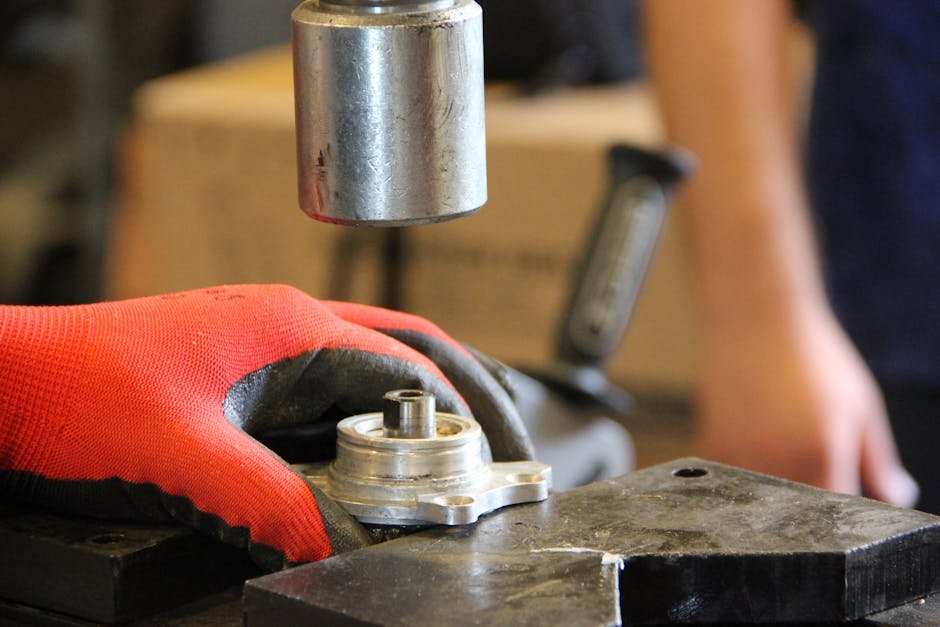
Industry

March 28, 2026

CNC Shearing Machine Price: Complete Buying Guide 2026

Investing in a CNC shearing machine requires understanding current market prices and value factors. This comprehensive 2026 buying guide breaks down CNC shear pricing by capacity, features, and brand. Learn what affects cost, compare options, and make an informed investment decision.
CNC Shearing Machine Price Ranges

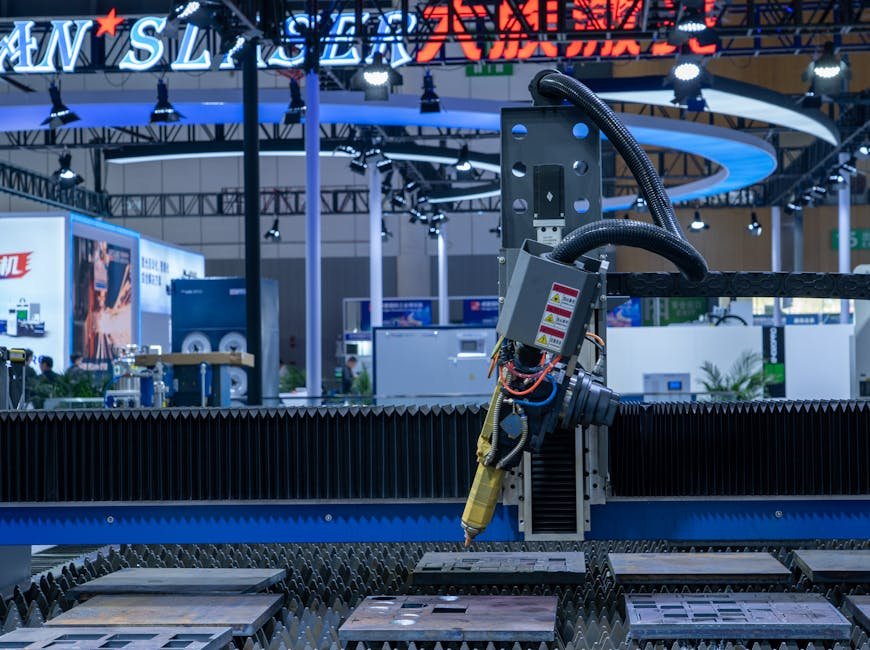
A CNC laser machine operating in a high-tech industrial exhibition setup with vibrant lighting.
Figure 1: A CNC laser machine operating in a high-tech industrial exhibition setup with vibrant lighting.
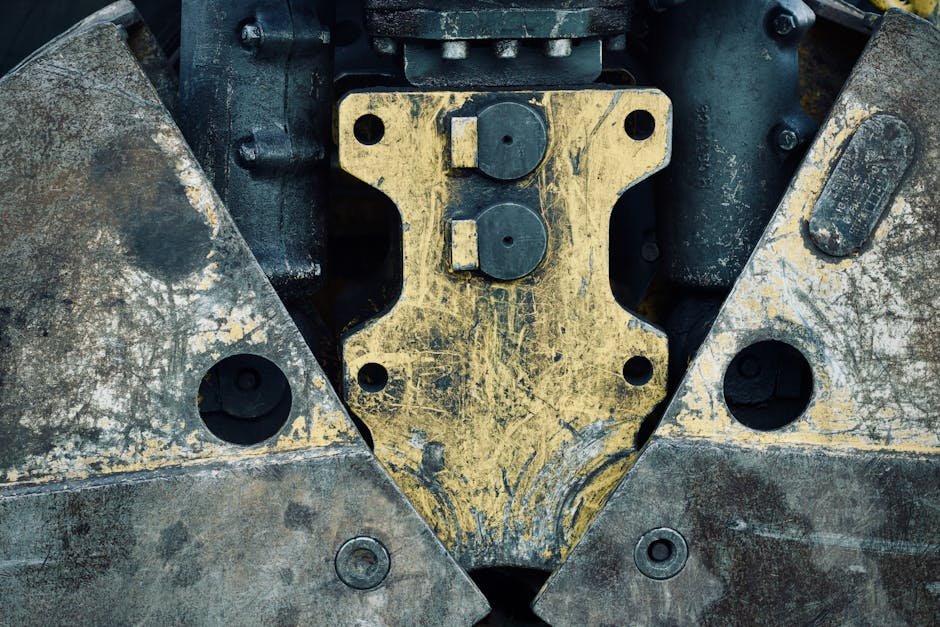
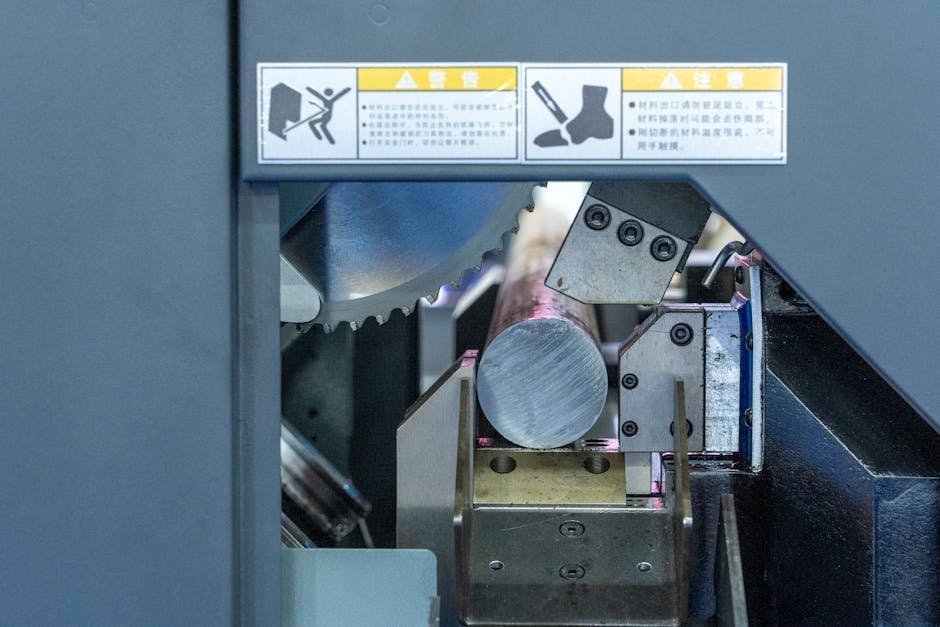
Detailed view of a metal cutting machine in operation, showcasing industrial machinery.
Figure 2: Detailed view of a metal cutting machine in operation, showcasing industrial machinery.
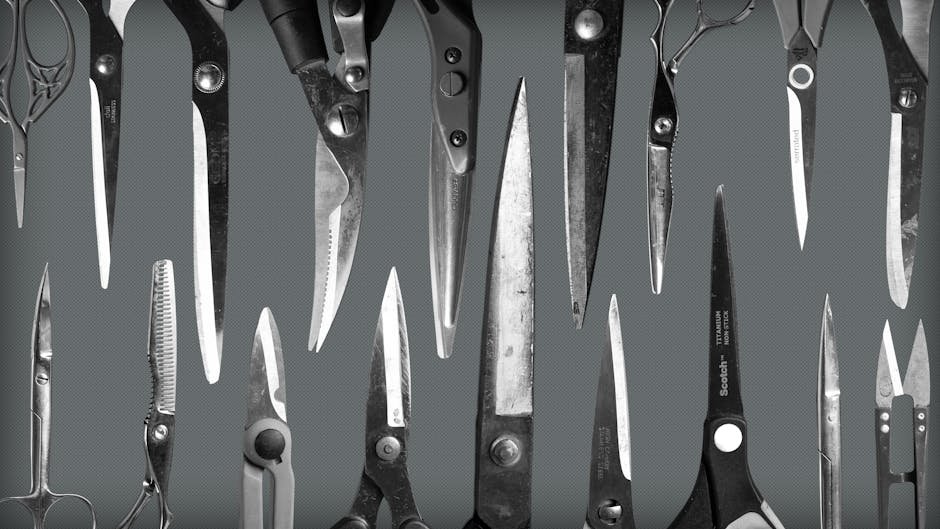
Flat lay of various scissors and cutting tools with stainless steel blades on a textured surface.
Figure 3: Flat lay of various scissors and cutting tools with stainless steel blades on a textured surface.

Entry-Level CNC Shears (Up to 10 feet, 1/4″)

  • Price range: $35,000 – $65,000
  • Typical brands: Chinese imports, budget domestic
  • Features: Basic CNC backgauge, manual blade gap
  • Best for: Job shops, light production, secondary operations

Mid-Range CNC Shears (10-12 feet, 1/4″-3/8″)

  • Price range: $65,000 – $120,000
  • Typical brands: Established domestic, quality imports
  • Features: Full CNC control, motorized blade gap, hold-downs
  • Best for: Production shops, multi-shift operations

High-End CNC Shears (12+ feet, 3/8″+)

  • Price range: $120,000 – $250,000+
  • Typical brands: Premium European, top domestic
  • Features: Advanced CNC, automatic settings, integration ready
  • Best for: High-volume production, automated lines

Key Price Factors

1. Cutting Capacity

Thickness and length directly impact price:

CapacityPrice Range
10′ × 1/4″$35,000 – $70,000
10′ × 3/8″$50,000 – $90,000
12′ × 1/4″$45,000 – $85,000
12′ × 3/8″$65,000 – $120,000
12′ × 1/2″$90,000 – $160,000
14′ × 3/8″$80,000 – $140,000
14′ × 1/2″$110,000 – $200,000

2. Brand Origin

Country of manufacture significantly affects pricing:

  • Chinese imports: Lowest cost, variable quality
  • Taiwanese: Good value, improving quality
  • Domestic (US): Mid to high range, good support
  • European (European): Premium pricing, top quality

3. Control System

CNC control sophistication affects price:

  • Basic digital readout: Entry-level pricing
  • Standard CNC (2-axis): Mid-range pricing
  • Advanced CNC (4+ axis): Premium pricing
  • Full automation ready: Highest pricing

4. Features and Options

Common options and their typical costs:

  • Motorized blade gap: +$3,000-$8,000
  • Motorized rake angle: +$4,000-$10,000
  • Advanced hold-downs: +$2,000-$5,000
  • Sheet follower: +$3,000-$7,000
  • Conveyor system: +$5,000-$15,000
  • Stacking system: +$10,000-$30,0
    00
  • Programming software: +$2,000-$5,000

New vs. Used Pricing

Used CNC Shear Price Guide

AgeTypical DiscountConsiderations
1-3 years25-35% off newGood value, warranty may transfer
4-7 years40-55% off newInspect carefully, check hours
8+ years60-75% off newHigh risk, parts availability concern

Total Cost of Ownership

5-Year TCO Example: 12′ × 1/4″ CNC Shear

New Equipment ($75,000):

  • Purchase price: $75,000
  • Installation: $3,000
  • Maintenance (5 years): $5,000
  • Blade sharpening/replacement: $3,000
  • Resale value (year 5): -$35,000
  • Net 5-year cost: $51,000

Used Equipment ($45,000):

  • Purchase price: $45,000
  • Installation: $3,000
  • Maintenance (5 years): $8,000 (higher due to age)
  • Blade work: $4,000
  • Resale value (year 5): -$20,000
  • Net 5-year cost: $40,000

Financing Options

Equipment Loans

  • Terms: 3-7 years
  • Down payment: 10-20%
  • Interest: 6-12% APR

Leasing

  • Terms: 2-5 years
  • Monthly: Lower than loan payments
  • End options: Purchase, return, upgrade

Brand Comparison

Premium Brands

  • Examples: European manufacturers
  • Price premium: 30-50% over mid-range
  • Justification: Precision, durability, support

Mid-Range Brands

  • Examples: Established domestic, quality Asian
  • Best value: Balance of cost and capability

Budget Brands

  • Examples: Entry-level imports
  • Consider for: Light duty, backup, tight budget

Frequently Asked Questions

Q1: What’s the most popular CNC shear size?

10′ and 12′ lengths with 1/4″ capacity are most common for general fabrication shops.

Q2: How long do CNC shears last?

With proper maintenance, 15-25 years is typical for quality machines.

Q3: Is CNC worth the extra cost?

For production work with frequent size changes, CNC pays for itself quickly through reduced setup time.

Conclusion

CNC shearing machine investment requires balancing capacity, features, and budget. Focus on total cost of ownership, not just purchase price. Choose reputable dealers with strong service support.

Ready to invest? Contact our specialists for personalized recommendations and competitive quotes on all major CNC shear brands.

For related guides, see our articles on press brake tonnage, metal bending solutions, and complete fabrication guide.


March 28, 2026

Why Does Metal Crack During Bending? Solutions for 2026

Metal cracking during bending is a frustrating and costly problem. This comprehensive guide identifies the root causes of bending cracks and provides practical solutions to prevent them. Learn about material properties, bend radius, grain direction, and processing techniques that ensure crack-free bends.


Understanding Metal Cracking

A detailed view of a rusty, cracked metal surface with textured patterns.
Figure 1: A detailed view of a rusty, cracked metal surface with textured patterns.
Old rusty metal surface of blue color with scratches and hole in abandoned building
Figure 2: Old rusty metal surface of blue color with scratches and hole in abandoned building
Stunning aerial view of a winding road in Mosier, Oregon, showcasing the landscape's natural beauty.
Figure 3: Stunning aerial view of a winding road in Mosier, Oregon, showcasing the landscape’s natural beauty.

Cracking during bending occurs when material stress exceeds its ductility limit. The outer fibers of the bend stretch beyond their elongation capacity, causing fractures that compromise part integrity.

Where Cracks Occur

  • Outside radius: Most common location (tension side)
  • Inside radius: Less common, usually from excessive compression
  • Edges: Crack propagation from sheared or punched edges
  • Holes near bends: Stress concentration points

Root Cause 1: Insufficient Bend Radius

The Problem

Bending too tightly stretches outer fibers beyond their elongation limit.

Minimum Bend Radius Guidelines

MaterialMinimum Inside Radius
Aluminum (soft)0 × thickness
Aluminum (hard)1-2 × thickness
Mild steel (HR)0.5-1 × thickness
Mild steel (CR)1-1.5 × thickness
Stainless 3041-2 × thickness
Stainless 3161.5-2.5 × thickness
Copper (soft)0.5 × thickness
Brass (soft)0.5-1 × thickness
Brass (hard)1.5-2 × thickness

Solutions

  • Increase bend radius to meet minimum requirements
  • Use larger punch nose radius
  • Consider coining for tighter radii (with proper tonnage)
  • Switch to more ductile material grade

Root Cause 2: Wrong Grain Direction

The Problem

Bending parallel to the grain direction (with the grain) significantly increases crack risk, especially in cold-rolled materials.

Grain Direction Best Practices

  • Ideal: Bend perpendicular to grain (across the grain)
  • Acceptable: Bend at 45° to grain
  • Avoid: Bend parallel to grain (with the grain)

Solutions

  • Rotate blank layout 90° when possible
  • Specify grain direction on drawings
  • Work with suppliers to control grain orientation
  • For critical parts, request grain direction certification

Root Cause 3: Material Hardness Issues

The Problem

Material that’s too hard lacks ductility for bending. Common causes:

  • Wrong temper/condition specified
  • Work hardening from previous operations
  • Material out of specification
  • Inconsistent hardness across batch

Hardness vs. Bendability

Material ConditionBendabilityTypical Use
Full soft / AnnealedExcellentSevere forming
Half hardGoodGeneral bending
Hard / Full hardPoorFlat parts only

Solutions

  • Specify correct temper for bending operations
  • Anneal work-hardened material before bending
  • Verify material certification matches requirements
  • Test bend samples before production runs
  • Consider stress relief for critical parts

Root Cause 4: Edge Condition Problems

The Problem

Poor edge quality from shearing, laser cutting, or punching creates stress concentrations that initiate cracks.

Edge Quality Issues

  • Burrs: Act as crack initiation points
  • Micro-cracks: From shearing process
  • Work hardening: At cut edges
  • Rough edges: Stress concentration

Solutions

  • Deburr all edges before bending
  • Position bends away from cut edges when possible
  • Use finer cutting methods (laser vs. shear) for critical parts
  • Edge condition specification on drawings
  • Consider edge rolling or conditioning for severe bends

Root Cause 5: Bend Orientation to Rolling Direction

The Problem

Cold-rolled materials have directional properties. Bending across the rolling direction is preferred.

Best Practices

  • Identify rolling direction from material certification
  • Layout parts to optimize bend orientation
  • For multiple bends, prioritize critical bends
  • Document grain direction requirements

Root Cause 6: Inadequate Tooling

The Problem

Worn or inappropriate tooling causes uneven bending and stress concentrations.

Tooling Issues

  • Worn punch radius creates sharp bends
  • Damaged die surfaces cause marking and stress
  • Wrong V-opening increases required tonnage
  • Misaligned tooling creates uneven bends

Solutions

  • Regular tooling inspection and replacement
  • Use appropriate punch radius for material
  • Maintain proper die opening (6-8× material thickness)
  • Ensure proper tooling alignment
  • Clean tooling before use

Root Cause 7: Incorrect Bending Speed

The Problem

Bending too quickly doesn’t allow material to flow properly, especially for thicker or harder materials.

Solutions

  • Reduce bending speed for thick materials
  • Slow down for hard or less ductile materials
  • Use dwell time for springback-prone materials
  • Consider bottoming instead of air bending for difficult materials

Root Cause 8: Temperature Effects

The Problem

Cold temperatures reduce material ductility. Some materials become brittle below certain temperatures.

Temperature Guidelines

  • Standard carbon steel: Avoid bending below 32°F (0°C)
  • High-strength steel: May require pre-heating
  • Some stainless grades: Reduced ductility when cold

Solutions

  • Store material at room temperature before bending
  • Pre-heat material for thick sections or cold environments
  • Allow cold material to warm before processing
  • Consider material grade for low-temperature applications

Material-Specific Considerations

Stainless Steel

Prone to work hardening during bending:

  • Use larger bend radii than carbon steel
  • Consider 304L or 316L for better formability
  • Avoid repeated bending of same area
  • Anneal between operations if multiple bends required

Aluminum

Temper significantly affects bendability:

  • Use O-temper (annealed) for severe bends
  • H32 temper acceptable for most bends
  • Avoid H38/H39 (hard tempers) for bending
  • Consider 5052 alloy for excellent formability

High-Strength Steel

Requires special attention:

  • Much larger bend radii required (3-5× thickness)
  • May require heating for thick sections
  • Significant springback expected
  • Consider alternative joining methods for complex parts

Prevention Checklist

Before bending, verify:

  • ☐ Material grade and temper appropriate for bend severity
  • ☐ Bend radius meets minimum requirements
  • ☐ Grain direction optimized (perpendicular to bend)
  • ☐ Edges deburred and in good condition
  • ☐ Tooling in good condition with correct radius
  • ☐ Proper die opening selected
  • ☐ Material at appropriate temperature
  • ☐ Bending speed appropriate for material
  • ☐ Test bend completed successfully

Frequently Asked Questions

Q1: Can I bend metal that has already cracked?

No. Once a crack initiates, it will propagate during further bending. The part should be scrapped or the cracked area removed if design allows.

Q2: How do I know if my material is work-hardened?

Signs include: increased hardness readings, reduced bendability compared to previous batches, cracking on previously successful bend radii. Request material certification and consider hardness testing.

Q3: Will annealing fix cracking problems?

Annealing restores ductility to work-hardened material and can prevent future cracking. However, it won’t repair existing cracks. Anneal before bending, not after cracking occurs.

Q4: What’s the minimum bend radius for 1/4″ mild steel?

For hot-rolled mild steel, minimum inside radius is approximately 0.5× thickness (1/8″). For cold-rolled, use 1× thickness (1/4″). Always verify with material supplier for specific grades.

Q5: Why do cracks appear after bending, not during?

Delayed cracking can occur from residual stresses, hydrogen embrittlement (in some steels), or stress corrosion. Proper material selection, stress relief, and avoiding over-bending help prevent this.

Conclusion: Prevent Cracks Through Understanding

Metal cracking during bending is almost always preventable through proper material selection, correct bend radius, appropriate grain orientation, and good tooling practices. Take time to understand your material’s properties and limitations before bending.

When cracks do occur, investigate the root cause systematically rather than just adjusting one parameter. Often, multiple factors contribute to cracking, and addressing all of them ensures reliable production.

Need expert assistance? Contact our metal forming specialists for material selection guidance, bend radius recommendations, and troubleshooting support. We help you achieve crack-free bends consistently.

For related guides, see our articles on press brake tonnage calculation, CNC vs traditional press brakes, and complete metal bending solutions.


March 28, 2026

Hydraulic Press Brake Tonnage: How to Calculate Correctly

Calculating the correct press brake tonnage is critical for safe operation and quality bends. This comprehensive guide teaches you how to accurately calculate required tonnage based on material type, thickness, bend length, and die opening. Avoid costly mistakes and equipment damage with proper tonnage calculations.


Why Tonnage Calculation Matters

Close-up of a person's hand pressing a calculator on a desk with other stationery items.
Figure 1: Close-up of a person’s hand pressing a calculator on a desk with other stationery items.
A person's hand pressing keys on a calculator displaying 3750 on a wooden table, top view.
Figure 2: A person’s hand pressing keys on a calculator displaying 3750 on a wooden table, top view.
Hands in red gloves operate metal machinery in workshop close-up.
Figure 3: Hands in red gloves operate metal machinery in workshop close-up.

Incorrect tonnage calculations lead to serious problems:

  • Insufficient tonnage: Incomplete bends, springback issues, poor accuracy
  • Excessive tonnage: Equipment damage, premature wear, safety hazards
  • Wrong assumptions: Material damage, tooling damage, inconsistent results

Understanding tonnage calculation protects your investment and ensures consistent, high-quality bends.

Basic Tonnage Formula

Standard Formula for Air Bending

The fundamental formula for calculating press brake tonnage:

P = (650 × S² × L) / V

Where:

  • P = Required tonnage (in tons)
  • S = Material thickness (in inches)
  • L = Bend length (in feet)
  • V = Die opening (in inches)
  • 650 = Constant for mild steel (varies by material)

Example Calculation

For 1/4″ mild steel, 10 feet long, with 2″ die opening:

  • S = 0.25 inches
  • L = 10 feet
  • V = 2 inches
  • P = (650 × 0.25² × 10) / 2 = (650 × 0.0625 × 10) / 2 = 406.25 / 2 = 203 tons

Material Factor Adjustments

Different materials require different tonnage:

Material Multipliers

  • Mild steel (A36): 1.0 (baseline)
  • Aluminum: 0.5-0.6 (less tonnage needed)
  • Stainless steel: 1.5-2.0 (more tonnage needed)
  • Copper: 0.5-0.6
  • Brass: 0.7-0.8
  • High-strength steel: 2.0-3.0

Adjusted Formula

P = (650 × S² × L × M) / V

Where M = material multiplier

Example: Stainless Steel

For 1/4″ stainless steel (multiplier 1.7), 10 feet, 2″ die:

  • P = (650 × 0.25² × 10 × 1.7) / 2 = 345 tons

Key insight: Stainless steel requires 70% more tonnage than mild steel of the same thickness.

Die Opening Selection

Standard Die Opening Rules

Die opening (V) typically relates to material thickness:

  • Standard rule: V = 6-8 × material thickness
  • Thin material (<1/8″): V = 6 × S
  • Medium material (1/8″-1/4″): V = 8 × S
  • Thick material (>1/4″): V = 10-12 × S

Die Opening Impact on Tonnage

Larger die openings reduce required tonnage but increase inside radius:

  • Smaller V: Higher tonnage, sharper bend, more springback
  • Larger V: Lower tonnage, larger radius, less springback

Recommended Die Openings by Thickness

Material ThicknessRecommended V Opening
16 gauge (0.060″)3/8″ – 1/2″
14 gauge (0.075″)1/2″ – 5/8″
12 gauge (0.105″)3/4″ – 7/8″
10 gauge (0.135″)1″ – 1-1/8″
1/8″ (0.125″)1″ – 1-1/4″
3/16″ (0.188″)1-1/2″ – 1-3/4″
1/4″ (0.250″)2″ – 2-1/2″
3/8″ (0.375″)3″ – 4″
1/2″ (0.500″)4″ – 6″

Bend Length Considerations

Partial Length Bending

When bending less than full length:

  • Calculate tonnage based on actual bend length
  • Ensure tonnage is distributed properly across bed
  • Avoid center-loading on long press brakes

Multiple Bends

For multiple bends in one setup:

  • Calculate tonnage for each bend separately
  • Add tonnage if bends are formed simultaneously
  • Consider step bending for complex parts

Bending Method Impact

Air Bending

Most common method, uses least tonnage:

  • Material contacts die at two points only
  • Punch doesn’t bottom in die
  • Standard tonnage formula applies
  • Most flexible for different angles

Bottom Bending

Requires 3-5× air bending tonnage:

  • Material forced to conform to die angle
  • Less springback
  • Higher tonnage requirement
  • Better for thick materials

Coining

Requires 5-10× air bending tonnage:

  • Extreme pressure creates permanent deformation
  • Virtually no springback
  • Very high tonnage requirement
  • Limited to thin materials

Tonnage Charts and Tables

Quick Reference: Mild Steel Air Bending

ThicknessDie OpeningTons per Foot
16 ga (0.060″)1/2″0.8
14 ga (0.075″)5/8″1.3
12 ga (0.105″)7/8″2.5
10 ga (0.135″)1″3.8
1/8″ (0.125″)1″4.0
3/16″ (0.188″)1-1/2″7.5
1/4″ (0.250″)2″16.0
5/16″ (0.312″)2-1/2″22.0
3/8″ (0.375″)3″30.0
1/2″ (0.500″)5″52.0

Usage: Multiply tons per foot by bend length in feet for total tonnage.

Safety Margins

Recommended Safety Factor

Always include safety margin in calculations:

  • Minimum: 10% above calculated tonnage
  • Recommended: 20% safety margin
  • Heavy production: 25-30% margin

Why Safety Margin Matters

  • Material thickness varies (mill tolerance)
  • Material hardness varies within spec
  • Tooling wear increases tonnage needs
  • Protects hydraulic system from overload
  • Extends equipment life

Example with Safety Margin

Calculated tonnage: 200 tons

  • With 10% margin: 220 tons minimum
  • With 20% margin: 240 tons recommended
  • Choose: 250-ton press brake

Common Calculation Mistakes

Mistake 1: Ignoring Material Type

Using mild steel formula for stainless steel results in 40-50% insufficient tonnage.

Solution: Always apply correct material multiplier.

Mistake 2: Wrong Die Opening Assumption

Assuming standard die opening when using non-standard tooling.

Solution: Measure actual die opening and use in calculation.

Mistake 3: Forgetting Bend Length

Calculating tons per inch but applying as tons per foot.

Solution: Be consistent with units throughout calculation.

Mistake 4: No Safety Margin

Running press brake at 100% calculated capacity.

Solution: Always include 20% safety margin minimum.

Mistake 5: Ignoring Machine Condition

Older machines may not deliver rated tonnage consistently.

Solution: Derate older equipment by 10-15%.

Modern Press Brake Features

Tonnage Monitoring

Modern press brakes include:

  • Real-time tonnage display
  • Tonnage limit settings
  • Overload protection
  • Tonnage profiling by axis

Automatic Tonnage Calculation

CNC controls often include:

  • Built-in tonnage calculators
  • Material database
  • Automatic tonnage limits
  • Tooling library integration

Frequently Asked Questions

Q1: Can I use a press brake at 100% of rated tonnage?

Technically yes, but it’s not recommended. Running at 100% capacity stresses the machine, reduces accuracy, and shortens equipment life. For production work, stay below 80% of rated tonnage.

Q2: How does bend radius affect tonnage?

Smaller inside radii require more tonnage. The tonnage formula assumes standard air bending with natural radius. For coining or bottoming to achieve tight radii, multiply tonnage by 3-10×.

Q3: What if my calculation exceeds machine capacity?

Options include: use larger die opening (reduces tonnage), bend in multiple steps, use a larger press brake, or reduce material thickness if design allows.

Q4: Does bend angle affect tonnage?

Minimally for air bending. The tonnage to initiate the bend is similar whether bending to 90° or 120°. However, bottoming or coining to specific angles requires significantly more tonnage.

Q5: How accurate are online tonnage calculators?

Good calculators using proper formulas are reasonably accurate (±10%). However, always verify with your specific material and tooling. Use calculators as starting point, not absolute authority.

Conclusion: Calculate with Confidence

Proper tonnage calculation is fundamental to safe, efficient press brake operation. Use the standard formula as your foundation, apply material multipliers correctly, select appropriate die openings, and always include safety margins.

When in doubt, consult your press brake manufacturer’s tonnage charts and seek guidance from experienced operators. The few minutes spent calculating correctly saves hours of troubleshooting and prevents costly damage.

Need expert guidance? Contact our press brake specialists for tonnage calculation assistance, equipment selection, and operator training. We help you maximize your press brake investment safely and productively.

For related guides, see our articles on metal bending crack prevention, CNC vs traditional press brakes, and complete metal bending solutions.


March 27, 2026

Plate Rolling Machine Guide: What Manufacturers Should Know Before Investing

Planning to add plate rolling capabilities to your fabrication shop? This comprehensive guide covers everything manufacturers need to know about plate rolling machines—from types and capacities to selection criteria and investment considerations. Make an informed decision that supports your growth plans.

Understanding Plate Rolling Machines

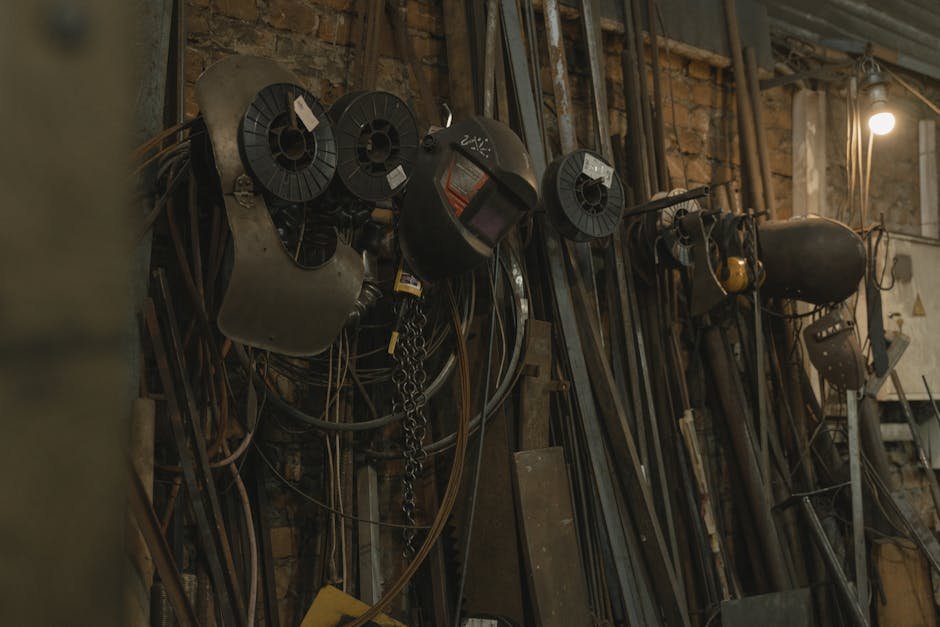
Dimly lit industrial workshop showcasing various welding tools and metal equipment.
A close-up of a worker manually processing large bundles of tea leaves in an outdoor factory setting.
Detailed view of a piece of machinery used for rolling and processing tea leaves in an industrial setting.

Plate rolling machines (also called roll benders or plate rolls) are used to bend flat metal sheets and plates into cylindrical or conical shapes. They’re essential equipment for manufacturing tanks, pipes, pressure vessels, and structural components.

Types of Plate Rolling Machines

Initial Pinch Rolls

The most basic and affordable type. Material is pinched between two rolls while a third roll applies bending pressure.

  • Lower initial cost
  • Simple operation
  • Requires pre-bending ends separately
  • Best for: Low-volume, budget-conscious shops

Double Pinch Rolls

Feature two side rolls that can be adjusted independently, allowing pre-bending of both ends without removing the plate.

  • Pre-bend both ends in one setup
  • Better accuracy than initial pinch
  • Mid-range pricing
  • Best for: General fabrication work

Variable Geometry Rolls

Advanced design where the bottom rolls move to create different bending geometries. Offers maximum flexibility.

  • Pre-bend both ends efficiently
  • Minimal flat spots
  • Higher productivity
  • Best for: High-volume production

Pyramid Rolls

Traditional design with two fixed bottom rolls and one movable top roll. Simple and robust.

  • Rugged construction
  • Good for thick plates
  • Requires end pre-bending
  • Best for: Heavy plate work

Key Specifications

Capacity Ratings

Plate rolls are rated by:

  • Maximum plate thickness (mild steel)
  • Maximum plate width
  • Minimum achievable diameter
  • Yield strength of material

Roll Dimensions

  • Roll diameter: Affects minimum bend radius
  • Roll length: Determines maximum plate width
  • Roll material: Cast iron, forged steel, or hardened steel

Drive System

  • Mechanical: Gear-driven, high torque
  • Hydraulic: Smooth, precise control
  • Electric servo: Most precise, energy-efficient

Selection Criteria

Material Requirements

  • Maximum thickness you’ll roll
  • Material types (steel, stainless, aluminum)
  • Typical plate widths
  • Yield strength variations

Production Volume

  • Parts per day/week
  • Batch sizes
  • Variety of diameters
  • Changeover frequency

Accuracy Requirements

  • Tolerance on diameter
  • Acceptable flat spots
  • Roundness requirements
  • Surface finish needs

Application Industries

Pressure Vessel Manufacturing

Requires high-precision rolling for boilers, tanks, and reactors. CNC-controlled variable geometry rolls are common.

Wind Tower Production

Large-diameter conical sections for wind turbine towers. Requires massive capacity plate rolls.

Shipbuilding

Hull sections, stacks, and marine components. Heavy-duty rolls for thick plate.

Structural Steel

Curved beams, architectural elements, and structural components. Medium capacity rolls.

HVAC and Ductwork

Cylindrical ducts and fittings. Lighter capacity, high-speed production.

Cost Considerations

Equipment Investment

  • Initial pinch (light capacity): $15,000-$50,000
  • Double pinch (medium): $50,000-$150,000
  • Variable geometry (heavy): $150,000-$500,000+
  • CNC automated systems: $300,000-$1,000,000+

Operating Costs

  • Power consumption
  • Maintenance and lubrication
  • Roll replacement/refurbishment
  • Operator labor

Installation Requirements

Facility Considerations

  • Floor loading capacity (plate rolls are heavy)
  • Overhead crane access for loading plates
  • Adequate space for material handling
  • Power supply (voltage, phase, amperage)

Safety Features

  • Emergency stop buttons
  • Two-hand controls
  • Safety guards and barriers
  • Lockout/tagout provisions

Frequently Asked Questions

Q1: What’s the difference between cold and hot rolling?

Cold rolling is done at room temperature for most applications. Hot rolling heats the plate for very thick materials or tight radii that would crack when cold-formed.

Q2: How do I calculate required machine capacity?

Consider maximum plate thickness, width, and material yield strength. Always include a safety margin of 20-25% above your typical requirements.

Q3: Can one machine handle multiple materials?

Yes, but capacity ratings are typically for mild steel. For stainless steel or aluminum, derate the capacity based on material yield strength differences.

Q4: What maintenance do plate rolls require?

Regular lubrication of bearings and gears, periodic roll inspection for wear, hydraulic system maintenance (if applicable), and alignment checks.

Conclusion

Investing in a plate rolling machine is a significant decision that impacts your fabrication capabilities for years. Carefully evaluate your current and future needs, consider total cost of ownership, and choose a machine that provides room for growth.

Ready to expand your rolling capabilities? Contact our specialists for plate rolling machine recommendations tailored to your specific applications and budget.

For more fabrication equipment guidance, explore our guides on press brakes and shearing machines.


March 27, 2026

Metal Bending Solutions 2026: How to Choose the Right Equipment for Your Production Line

Optimizing your metal fabrication production line? Choosing the right metal bending equipment is critical for efficiency, quality, and profitability. This 2026 guide covers the latest bending technologies, selection criteria, and implementation strategies for modern fabrication shops.
Metal Bending Equipment Overview

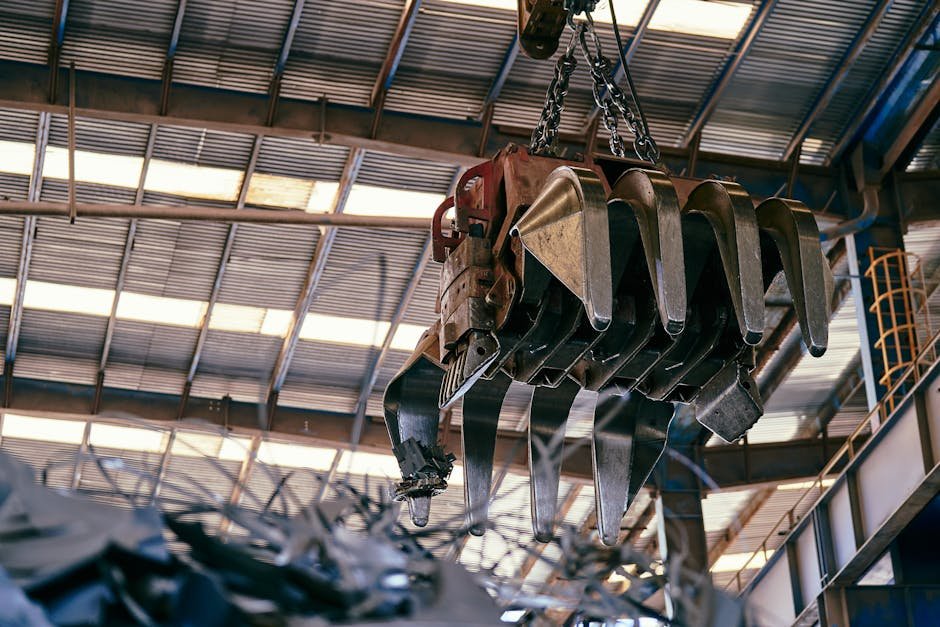
Large industrial crane handling scrap metal in a warehouse setting.
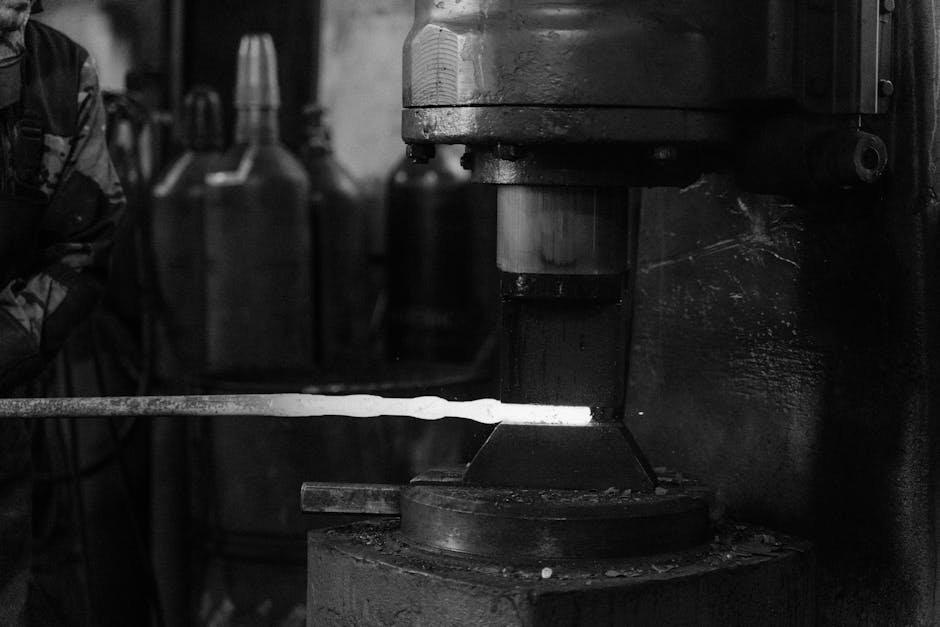
Monochrome image of a blacksmith's forge with metal being processed.
Monochrome image of a blacksmith’s forge with metal being processed.
Mechanic working on car disc brake, inspecting for wear and maintenance.

Metal bending encompasses various technologies from traditional press brakes to advanced CNC systems. The right choice depends on material types, production volumes, precision requirements, and budget constraints.

Types of Metal Bending Equipment

Press Brakes

The most common bending equipment, available in mechanical, hydraulic, and electric variants.

  • Mechanical: Fast, high-tonnage applications
  • Hydraulic: Versatile, precise control
  • Electric: Energy-efficient, high precision

Roll Bending Machines

For creating curves and cylinders from sheet metal and plate.

  • Initial pinch rolls
  • Double pinch rolls
  • Variable geometry rolls

Tube Bending Machines

Specialized equipment for bending tubes and pipes without collapsing.

  • Rotary draw benders
  • Mandrel benders
  • CNC tube benders

Panel Benders

Automated systems for high-volume sheet metal bending with minimal setup.

  • Fast cycle times
  • Minimal operator intervention
  • Ideal for batch production

Selection Criteria for 2026

Material Considerations

  • Material type: Steel, aluminum, stainless, exotic alloys
  • Thickness range: From foil to plate
  • Sheet size: Maximum dimensions
  • Yield strength: Affects tonnage requirements

Production Requirements

  • Annual volume: Parts per year
  • Batch sizes: One-offs vs. production runs
  • Part complexity: Number of bends per part
  • Tolerance requirements: Precision needs

Automation Level

  • Manual: Lowest cost, highest labor
  • Semi-automatic: Balanced approach
  • Fully automatic: Highest productivity, highest cost

2026 Technology Trends

Industry 4.0 Integration

Modern bending equipment connects to factory networks for real-time monitoring, predictive maintenance, and production tracking.

Adaptive Bending Technology

Sensors measure actual bend angles and automatically compensate for material variations, ensuring consistent quality.

Energy Efficiency

Electric servo drives replace hydraulic systems in many applications, reducing energy consumption by 30-50%.

Collaborative Robotics

Cobots assist operators with part handling, reducing physical strain and increasing throughput.

Cost Analysis

Equipment Investment

  • Manual press brake: $20,000-$80,000
  • CNC hydraulic press brake: $100,000-$400,000
  • Electric servo press brake: $150,000-$500,000
  • Automated panel bender: $300,000-$800,000+

Operating Costs

  • Energy: Electric systems 30-50% lower
  • Maintenance: Hydraulic requires more upkeep
  • Labor: Automation reduces operator requirements
  • Tooling: Varies by application complexity

Implementation Best Practices

Facility Preparation

  • Floor loading capacity
  • Power requirements (voltage, phase)
  • Air supply for pneumatic systems
  • Material handling infrastructure

Operator Training

  • Machine operation certification
  • Programming skills for CNC
  • Safety procedures
  • Maintenance basics

Quality Systems

  • First article inspection procedures
  • In-process quality checks
  • Documentation requirements
  • Continuous improvement processes

Frequently Asked Questions

Q1: How do I calculate required tonnage?

Tonnage depends on material thickness, bend length, and material strength. Use the formula: Tonnage = (Material Thickness² × Bend Length × Material Factor) / Die Opening.

Q2: What’s the ROI timeline for CNC equipment?

Typical ROI is 2-4 years based on increased productivity, reduced labor, and lower scrap rates. High-volume shops see faster returns.

Q3: Should I buy new or used equipment?

New equipment offers warranty, latest technology, and financing options. Used equipment costs 40-60% less but may need repairs and lacks warranty.

Conclusion

Choosing the right metal bending equipment requires careful analysis of your specific production requirements, budget, and growth plans. The 2026 market offers more options than ever, from cost-effective manual machines to fully automated Industry 4.0-ready systems.

Ready to upgrade your bending capabilities? Contact our specialists for personalized equipment recommendations and competitive pricing on leading metal bending solutions.

For more fabrication equipment guidance, explore our guides on hydraulic press brakes and iron worker machines.


March 27, 2026

CNC Press Brake vs Traditional Bending: Which Technology Fits Your Fabrication Shop

Deciding between CNC press brake and traditional bending methods? This comprehensive comparison helps fabrication shop owners understand the advantages, costs, and best applications for each technology. Make an informed decision that maximizes your shop’s productivity and profitability.
Understanding Metal Bending Technologies

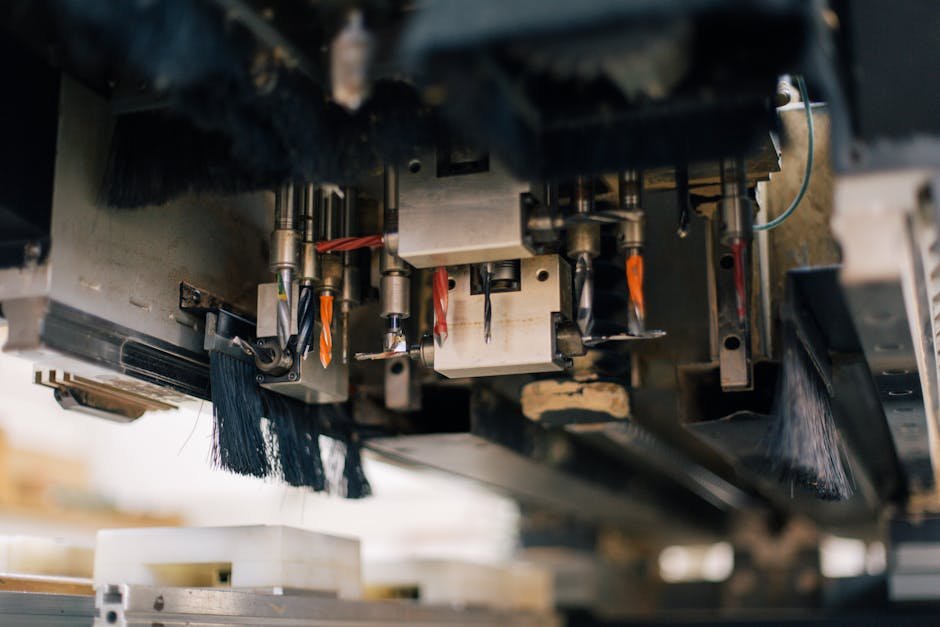
Detailed view of an industrial machine with multiple drills and brushes in a factory setting.
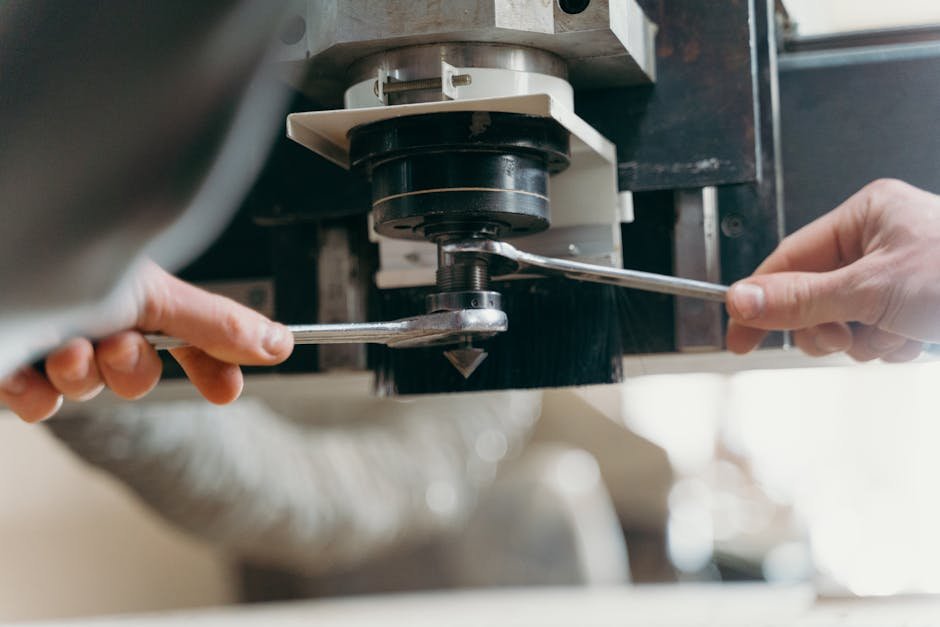
Close-up of hands adjusting a CNC machine using wrenches in an industrial setting.
Close-up of hot iron being shaped in a forge, highlighting intense heat and craftsmanship.

Metal bending is a fundamental fabrication process used across industries from automotive to aerospace. The choice between CNC press brake and traditional bending methods significantly impacts production efficiency, part quality, and operating costs.

CNC Press Brake Technology

How CNC Press Brakes Work

CNC (Computer Numerical Control) press brakes use computerized controls to precisely position the back gauge and control ram movement. Operators program bend sequences, and the machine executes them with high repeatability.

Key Advantages

  • Precision: Accuracy within ±0.001 inches
  • Repeatability: Consistent results across production runs
  • Speed: Faster setup and production cycles
  • Complexity: Handles complex multi-bend parts easily
  • Reduced labor: One operator can run the machine

Best Applications

  • High-volume production runs
  • Complex parts with multiple bends
  • Tight tolerance requirements
  • Frequent job changes

Traditional Bending Methods

Manual Press Brakes

Traditional manual press brakes rely on operator skill for positioning and bending. While less precise, they offer flexibility and lower initial cost.

Key Characteristics

  • Lower initial cost: Significantly cheaper than CNC
  • Operator dependent: Quality depends on skill level
  • Flexible: Quick adjustments for one-off jobs
  • Simple maintenance: Fewer electronic components

Best Applications

  • Low-volume job shops
  • Simple bend requirements
  • Tight budget constraints
  • Repair and maintenance work

Cost Comparison

Initial Investment

  • CNC Press Brake: $100,000-$500,000+
  • Manual Press Brake: $20,000-$80,000

Operating Costs

  • CNC: Higher maintenance costs, lower labor costs
  • Manual: Lower maintenance, higher skilled labor costs

ROI Considerations

CNC press brakes typically pay for themselves within 2-4 years through increased productivity and reduced labor costs in high-volume applications.

Productivity Comparison

Setup Time

  • CNC: 5-15 minutes with program recall
  • Manual: 30-60 minutes requiring manual measurement

Production Rate

  • CNC: 300-600 bends per hour
  • Manual: 100-200 bends per hour

Quality and Precision

CNC Advantages

  • Consistent bend angles
  • Precise bend locations
  • Reduced scrap rates
  • Documented processes

Manual Considerations

  • Variable quality between operators
  • Higher scrap rates on complex parts
  • Difficult to maintain consistency

Operator Requirements

CNC Press Brake

  • CNC programming training
  • Understanding of G-code
  • Blueprint reading skills
  • Less physical labor

Manual Press Brake

  • Extensive hands-on experience
  • Strong measurement skills
  • Physical stamina
  • Years to master

Frequently Asked Questions

Q1: When should I upgrade from manual to CNC?

Consider upgrading when labor costs exceed machine payments, when quality consistency becomes critical, or when losing bids due to production capacity.

Q2: Can CNC press brakes handle thick materials?

Yes, CNC press brakes are available for materials from thin gauge up to 1+ inch thick steel. Tonnage determines maximum thickness capacity.

Q3: How long does CNC programming take to learn?

Basic operation can be learned in weeks, but mastering complex programming takes 6-12 months of experience.

Conclusion

CNC press brakes offer superior precision, productivity, and consistency for modern fabrication shops. While the initial investment is higher, the long-term benefits in reduced labor, improved quality, and increased capacity often justify the cost.

Ready to upgrade your bending capabilities? Contact our specialists for CNC press brake recommendations tailored to your production requirements and budget.

For more metal fabrication guidance, explore our guides on hydraulic press brakes and shearing machines.


March 26, 2026

Introduction

Iron worker machines are multi-function metal fabrication powerhouses, combining punching, shearing, and bending operations in a single compact unit. This comprehensive guide explores iron worker capabilities, applications, and selection criteria for maximizing shop efficiency in 2026.

What is an Iron Worker Machine?

Multi-Function Capabilities

An iron worker is a hydraulic machine that integrates multiple fabrication operations:

  • Punching: Round, square, or custom holes in plates and sections
  • Shearing: Flat bar, angle, round, and square stock cutting
  • Notching: V-notches and copes in angles and channels
  • Bending: Flat bar and angle bending (on some models)

Key Advantages

  • Space efficiency: One machine replaces 3-4 separate units
  • Cost savings: Lower investment than individual machines
  • Versatility: Handle diverse fabrication tasks
  • Productivity: Quick station changes, minimal setup
  • Accuracy: Precision tooling for consistent results

Main Components and Stations

Punching Station

  • Capacity: Typically 20-40mm hole in mild steel
  • Throat depth: 300-600mm from punch center
  • Stroke: Adjustable for different material thicknesses
  • Tooling: Quick-change punch and die sets

Angle Shear Station

  • Capacity: 50-150mm leg length
  • Thickness: Up to 15mm
  • Cut quality: Clean cuts with minimal distortion
  • Back gauge: Adjustable for repeatable lengths

Flat Bar Shear Station

  • Width capacity: Up to 300-400mm
  • Thickness: 6-20mm depending on model
  • Blade type: Adjustable rake angle

Round Bar Shear Station

  • Capacity: 20-60mm diameter
  • Blade design: V-shaped for clean cuts

Notching Station

  • Angle notching: 90° V-notches for angle iron
  • Channel notching: Copes for channel and I-beam
  • Capacity: Matches angle shear capacity

Types of Iron Workers

By Tonnage

Light-Duty (40-65 tons)

  • Punching: 16-20mm in mild steel
  • Angle shear: 50-75mm
  • Best for: Small fabrication shops, maintenance departments
  • Price range: $15,000-30,000

Medium-Duty (80-120 tons)

  • Punching: 25-30mm in mild steel
  • Angle shear: 90-120mm
  • Best for: General fabrication, structural work
  • Price range: $30,000-60,000

Heavy-Duty (150-200+ tons)

  • Punching: 35-45mm in mild steel
  • Angle shear: 130-180mm
  • Best for: Structural steel fabrication, heavy industry
  • Price range: $60,000-120,000

By Control System

Manual Iron Worker

  • Foot pedal operation
  • Manual station selection
  • Manual back gauge
  • Lower cost, suitable for varied low-volume work

NC Iron Worker

  • Motorized back gauge
  • Digital position display
  • Programmable cut/punch positions
  • Good for medium-volume production

CNC Iron Worker

  • Fully automated operation
  • CNC back gauge with multiple axes
  • Automatic tool selection (on advanced models)
  • Program storage and recall
  • Best for: High-volume production shops

Capacity Specifications

Punching Capacity (Mild Steel Q235)

Machine TonnageMax Hole DiameterMax Plate Thickness
40-65 ton16-20mm12-16mm
80-120 ton25-30mm20-25mm
150-200 ton35-45mm30-40mm

Shearing Capacity

Material Type80 ton120 ton180 ton
Flat bar (width)250mm300mm400mm
Angle iron (leg)90mm120mm150mm
Round bar (diameter)30mm40mm55mm
Square bar25mm35mm45mm

Tooling Options

Punch and Die Sets

  • Round: Standard sizes from 6-50mm
  • Square: 10-40mm
  • Oblong/Slot: Custom sizes for specific applications
  • Custom shapes: Available for specialized needs

Shear Blades

  • Angle shear blades: 90° V-design
  • Flat bar blades: Straight or adjustable rake
  • Round bar blades: V-groove design
  • Material: Cr12MoV or SKD11 tool steel, HRC 58-62

Notching Tools

  • Angle notch: 90° V-notch for angle iron
  • Channel cope: For channel and I-beam notching
  • Tube notch: For round and square tubing

Applications by Industry

Structural Steel Fabrication

  • Beam and column connection holes
  • Angle bracket production
  • Base plate fabrication
  • Bracing member preparation

Construction Equipment

  • Frame component fabrication
  • Mounting bracket production
  • Guard and cover manufacturing

Electrical and Telecom

  • Cable tray fabrication
  • Support bracket production
  • Enclosure manufacturing

HVAC Industry

  • Duct support fabrication
  • Equipment mounting frames
  • Hanger production

Operational Efficiency

Setup Time Comparison

OperationSeparate MachinesIron Worker
Punch holeMove to punch press: 5 minSelect station: 30 sec
Cut angleMove to saw: 5 minSelect station: 30 sec
Notch angleMove to notcher: 5 minSelect station: 30 sec
Total job20-30 minutes2-3 minutes

Production Rate

  • Typical cycle time: 2-4 seconds per operation
  • Pieces per hour: 300-600 (depending on complexity)
  • Material handling: 30-40% of total time

Maintenance Requirements

Daily Checks

  • Hydraulic oil level
  • Blade and punch condition
  • Hold-down operation
  • Unusual noises or vibrations

Regular Maintenance

  • Hydraulic oil change: Every 2000 hours or annually
  • Filter replacement: Every 500 hours
  • Blade sharpening/rotation: Every 1000-3000 cuts
  • Guide adjustment: Monthly
  • Full inspection: Annually

FAQ

Q: What’s the difference between an iron worker and a punch press?

A: Iron workers are multi-function machines combining punching, shearing, and notching. Punch presses specialize in high-speed punching with larger bed sizes and CNC capabilities. Iron workers excel in versatility; punch presses excel in production punching.

Q: How accurate are iron worker cuts?

A: With proper tooling and setup, iron workers achieve ±0.5mm accuracy on cut lengths and ±1mm on hole positions. CNC models offer higher repeatability for production work.

Q: Can iron workers cut stainless steel?

A: Yes, but capacity is reduced. Typically, stainless steel capacity is 50-60% of mild steel rating due to higher shear strength. Use sharp tooling and adjust clearance accordingly.

Q: How often should blades be sharpened?

A: Blades typically last 1000-3000 cuts depending on material. Mild steel allows more cuts; stainless steel and abrasive materials require more frequent sharpening.

Conclusion

Iron worker machines provide exceptional versatility and value for metal fabrication shops. By combining multiple operations in one compact unit, they reduce floor space, equipment investment, and material handling time while maintaining production flexibility.

Contact Us

Ready to upgrade your fabrication capability? We offer iron workers from 40 to 200 tons with manual, NC, and CNC options. Contact us today for specifications, pricing, and tooling packages.



Hydraulic Press Brake Price in Asia 2026: What to Expect插图

Like what you see?

Check our case studies.


Hydraulic Press Brake Price in Asia 2026: What to Expect插图1
Metallurgy
Hydraulic Press Brake Price in Asia 2026: What to Expect插图2
Cutting
Hydraulic Press Brake Price in Asia 2026: What to Expect插图3
Hydraulic Press Brake Price in Asia 2026: What to Expect插图4
Metal works
Hydraulic Press Brake Price in Asia 2026: What to Expect插图5
Welding
Hydraulic Press Brake Price in Asia 2026: What to Expect插图6
Metal works
Hydraulic Press Brake Price in Asia 2026: What to Expect插图7
Wind Turbine Generators
Hydraulic Press Brake Price in Asia 2026: What to Expect插图8

GO TO PORTFOLIO

Hydraulic Press Brake Price in Asia 2026: What to Expect插图9