CNC Press Brake vs Traditional Bending: Which Technology Fits Your Fabrication Shop
CNC Press Brake vs Traditional Bending: Which Technology Fits Your Fabrication Shop
Deciding between CNC press brake and traditional bending methods? This comprehensive comparison helps fabrication shop owners understand the advantages, costs, and best applications for each technology. Make an informed decision that maximizes your shop’s productivity and profitability.
Understanding Metal Bending Technologies
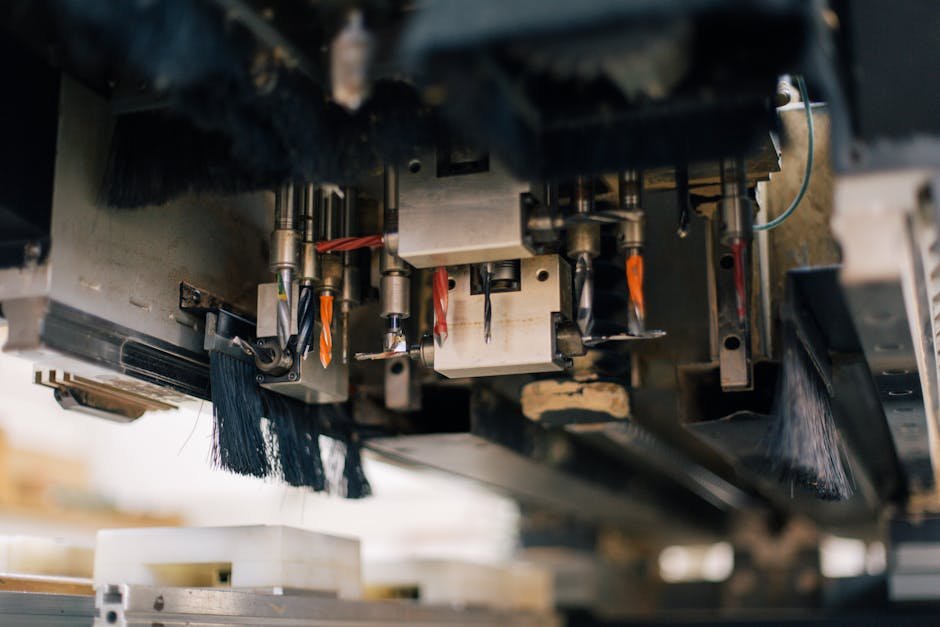
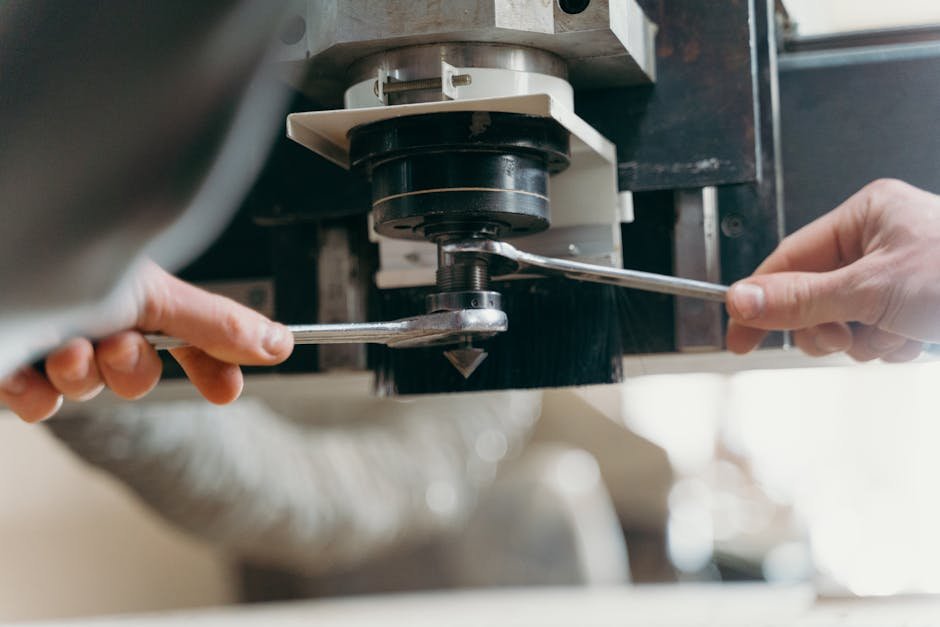
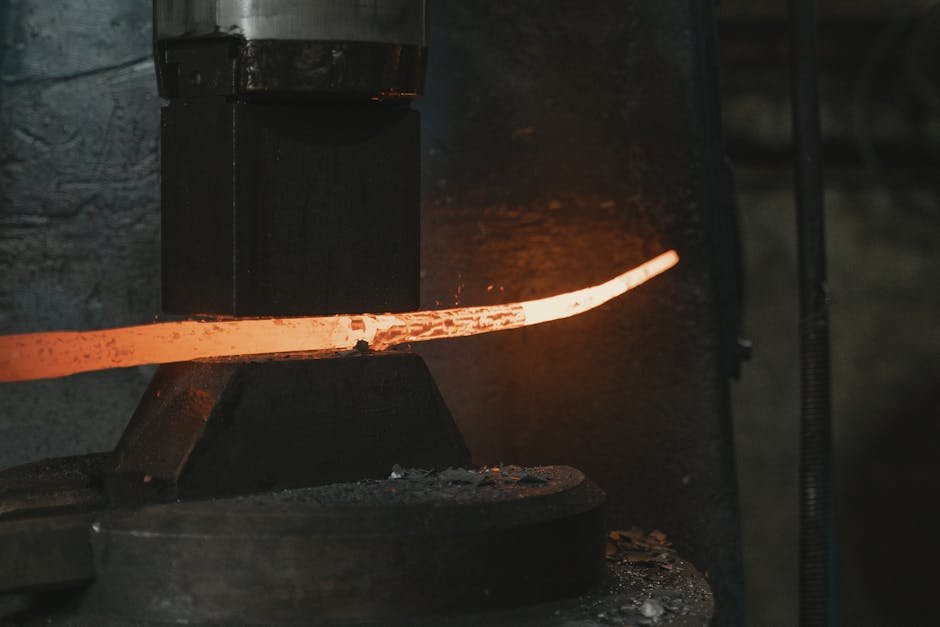
Metal bending is a fundamental fabrication process used across industries from automotive to aerospace. The choice between CNC press brake and traditional bending methods significantly impacts production efficiency, part quality, and operating costs.
CNC Press Brake Technology
How CNC Press Brakes Work
CNC (Computer Numerical Control) press brakes use computerized controls to precisely position the back gauge and control ram movement. Operators program bend sequences, and the machine executes them with high repeatability.
Key Advantages
- Precision: Accuracy within ±0.001 inches
- Repeatability: Consistent results across production runs
- Speed: Faster setup and production cycles
- Complexity: Handles complex multi-bend parts easily
- Reduced labor: One operator can run the machine
Best Applications
- High-volume production runs
- Complex parts with multiple bends
- Tight tolerance requirements
- Frequent job changes
Traditional Bending Methods
Manual Press Brakes
Traditional manual press brakes rely on operator skill for positioning and bending. While less precise, they offer flexibility and lower initial cost.
Key Characteristics
- Lower initial cost: Significantly cheaper than CNC
- Operator dependent: Quality depends on skill level
- Flexible: Quick adjustments for one-off jobs
- Simple maintenance: Fewer electronic components
Best Applications
- Low-volume job shops
- Simple bend requirements
- Tight budget constraints
- Repair and maintenance work
Cost Comparison
Initial Investment
- CNC Press Brake: $100,000-$500,000+
- Manual Press Brake: $20,000-$80,000
Operating Costs
- CNC: Higher maintenance costs, lower labor costs
- Manual: Lower maintenance, higher skilled labor costs
ROI Considerations
CNC press brakes typically pay for themselves within 2-4 years through increased productivity and reduced labor costs in high-volume applications.
Productivity Comparison
Setup Time
- CNC: 5-15 minutes with program recall
- Manual: 30-60 minutes requiring manual measurement
Production Rate
- CNC: 300-600 bends per hour
- Manual: 100-200 bends per hour
Quality and Precision
CNC Advantages
- Consistent bend angles
- Precise bend locations
- Reduced scrap rates
- Documented processes
Manual Considerations
- Variable quality between operators
- Higher scrap rates on complex parts
- Difficult to maintain consistency
Operator Requirements
CNC Press Brake
- CNC programming training
- Understanding of G-code
- Blueprint reading skills
- Less physical labor
Manual Press Brake
- Extensive hands-on experience
- Strong measurement skills
- Physical stamina
- Years to master
Frequently Asked Questions
Q1: When should I upgrade from manual to CNC?
Consider upgrading when labor costs exceed machine payments, when quality consistency becomes critical, or when losing bids due to production capacity.
Q2: Can CNC press brakes handle thick materials?
Yes, CNC press brakes are available for materials from thin gauge up to 1+ inch thick steel. Tonnage determines maximum thickness capacity.
Q3: How long does CNC programming take to learn?
Basic operation can be learned in weeks, but mastering complex programming takes 6-12 months of experience.
Conclusion
CNC press brakes offer superior precision, productivity, and consistency for modern fabrication shops. While the initial investment is higher, the long-term benefits in reduced labor, improved quality, and increased capacity often justify the cost.
Ready to upgrade your bending capabilities? Contact our specialists for CNC press brake recommendations tailored to your production requirements and budget.
For more metal fabrication guidance, explore our guides on hydraulic press brakes and shearing machines.