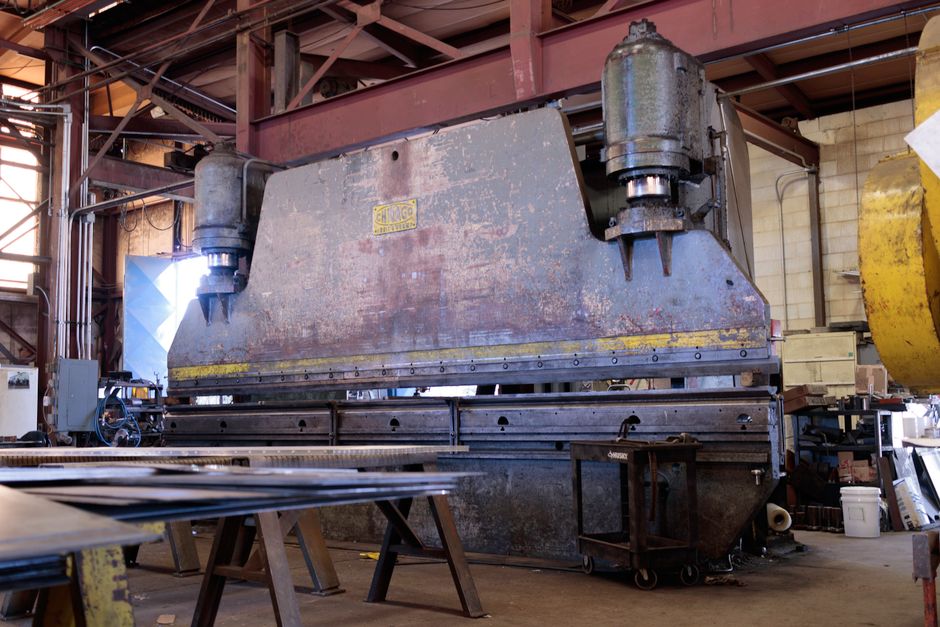
Blog

Bring to the table win-win survival strategies to ensure proactive domination. At the end of the day, going forward, a new normal that has evolved from generation.
April 12, 2026

[wp_image id=”3751″]
[wp_image id=”3752″]
[wp_image id=”3753″]

What’s the Lifespan of a CNC Press Brake This comprehensive guide covers everything you need to know about CNC press brake lifespan.

Key Considerations

When dealing with CNC press brake lifespan, there are several important factors to consider for optimal safety and performance.

Industry Standards

Following industry best practices ensures compliance and reduces operational risks. Always refer to manufacturer guidelines and local regulations.

Safety Guidelines

Safety should always be the top priority when operating or selecting equipment. Proper training and adherence to safety protocols prevent accidents.

Best Practices

  • Conduct regular inspections before each use
  • Ensure operators are properly trained and certified
  • Follow manufacturer load capacity guidelines
  • Maintain equipment according to recommended schedules
  • Document all maintenance and inspection records

Common Questions

Many professionals have questions about CNC press brake lifespan. Understanding these common concerns helps make informed decisions.

What Experts Recommend

Industry experts emphasize the importance of proper equipment selection, regular maintenance, and ongoing operator training for optimal results.

Maintenance Tips

Regular maintenance extends equipment life and ensures reliable performance. Create a maintenance schedule and stick to it.

Preventive Measures

  • Schedule routine inspections
  • Replace worn components promptly
  • Keep equipment clean and protected
  • Monitor performance metrics
  • Address issues before they become major problems

Conclusion

Understanding CNC press brake lifespan is essential for safe and efficient operations. By following the guidelines in this article, you can make informed decisions and maintain a safe working environment.

FAQ

What are the main safety requirements?

Safety requirements vary by equipment type and application. Always consult manufacturer guidelines and local regulations for specific requirements.

How often should inspections be performed?

Pre-use inspections should be done before each shift. Comprehensive inspections should be performed monthly or according to manufacturer recommendations.

What training is required for operators?

Operators should complete certified training programs specific to the equipment type. Refresher training should be conducted annually.

Can I use this equipment in all weather conditions?

Weather limitations depend on equipment type. Always check manufacturer specifications and avoid operation in adverse conditions.

What should I do if I notice a problem?

Stop operation immediately, tag the equipment as out of service, and contact qualified maintenance personnel.

Need expert advice on equipment selection or have questions about your specific application? Contact our team for personalized recommendations.


April 12, 2026

[wp_image id=”3747″]
[wp_image id=”3748″]
[wp_image id=”3749″]

Shearing Machine Safety: Guard Requirements Explained This comprehensive guide covers everything you need to know about shearing machine safety.

Key Considerations

When dealing with shearing machine safety, there are several important factors to consider for optimal safety and performance.

Industry Standards

Following industry best practices ensures compliance and reduces operational risks. Always refer to manufacturer guidelines and local regulations.

Safety Guidelines

Safety should always be the top priority when operating or selecting equipment. Proper training and adherence to safety protocols prevent accidents.

Best Practices

  • Conduct regular inspections before each use
  • Ensure operators are properly trained and certified
  • Follow manufacturer load capacity guidelines
  • Maintain equipment according to recommended schedules
  • Document all maintenance and inspection records

Common Questions

Many professionals have questions about shearing machine safety. Understanding these common concerns helps make informed decisions.

What Experts Recommend

Industry experts emphasize the importance of proper equipment selection, regular maintenance, and ongoing operator training for optimal results.

Maintenance Tips

Regular maintenance extends equipment life and ensures reliable performance. Create a maintenance schedule and stick to it.

Preventive Measures

  • Schedule routine inspections
  • Replace worn components promptly
  • Keep equipment clean and protected
  • Monitor performance metrics
  • Address issues before they become major problems

Conclusion

Understanding shearing machine safety is essential for safe and efficient operations. By following the guidelines in this article, you can make informed decisions and maintain a safe working environment.

FAQ

What are the main safety requirements?

Safety requirements vary by equipment type and application. Always consult manufacturer guidelines and local regulations for specific requirements.

How often should inspections be performed?

Pre-use inspections should be done before each shift. Comprehensive inspections should be performed monthly or according to manufacturer recommendations.

What training is required for operators?

Operators should complete certified training programs specific to the equipment type. Refresher training should be conducted annually.

Can I use this equipment in all weather conditions?

Weather limitations depend on equipment type. Always check manufacturer specifications and avoid operation in adverse conditions.

What should I do if I notice a problem?

Stop operation immediately, tag the equipment as out of service, and contact qualified maintenance personnel.

Need expert advice on equipment selection or have questions about your specific application? Contact our team for personalized recommendations.


April 12, 2026

[wp_image id=”3743″]
[wp_image id=”3744″]
[wp_image id=”3745″]

How to Fix Common Press Brake Error Messages This comprehensive guide covers everything you need to know about press brake error.

Key Considerations

When dealing with press brake error, there are several important factors to consider for optimal safety and performance.

Industry Standards

Following industry best practices ensures compliance and reduces operational risks. Always refer to manufacturer guidelines and local regulations.

Safety Guidelines

Safety should always be the top priority when operating or selecting equipment. Proper training and adherence to safety protocols prevent accidents.

Best Practices

  • Conduct regular inspections before each use
  • Ensure operators are properly trained and certified
  • Follow manufacturer load capacity guidelines
  • Maintain equipment according to recommended schedules
  • Document all maintenance and inspection records

Common Questions

Many professionals have questions about press brake error. Understanding these common concerns helps make informed decisions.

What Experts Recommend

Industry experts emphasize the importance of proper equipment selection, regular maintenance, and ongoing operator training for optimal results.

Maintenance Tips

Regular maintenance extends equipment life and ensures reliable performance. Create a maintenance schedule and stick to it.

Preventive Measures

  • Schedule routine inspections
  • Replace worn components promptly
  • Keep equipment clean and protected
  • Monitor performance metrics
  • Address issues before they become major problems

Conclusion

Understanding press brake error is essential for safe and efficient operations. By following the guidelines in this article, you can make informed decisions and maintain a safe working environment.

FAQ

What are the main safety requirements?

Safety requirements vary by equipment type and application. Always consult manufacturer guidelines and local regulations for specific requirements.

How often should inspections be performed?

Pre-use inspections should be done before each shift. Comprehensive inspections should be performed monthly or according to manufacturer recommendations.

What training is required for operators?

Operators should complete certified training programs specific to the equipment type. Refresher training should be conducted annually.

Can I use this equipment in all weather conditions?

Weather limitations depend on equipment type. Always check manufacturer specifications and avoid operation in adverse conditions.

What should I do if I notice a problem?

Stop operation immediately, tag the equipment as out of service, and contact qualified maintenance personnel.

Need expert advice on equipment selection or have questions about your specific application? Contact our team for personalized recommendations.


April 8, 2026

Daily Press Machine Safety Inspection Checklist

Regular safety inspections are critical for preventing accidents and maintaining optimal press machine performance. This comprehensive daily inspection guide helps operators identify potential hazards before they cause incidents.

Start-of-Shift Inspection Protocol

Conduct these checks before beginning production each shift:

1. Visual Inspection (5 minutes)

  • Check for oil leaks around hydraulic connections
  • Inspect floor area for spills or debris
  • Verify all safety signs are visible and legible
  • Look for loose bolts or fasteners on guards
  • Examine electrical cables for damage or wear

2. Safety System Verification (10 minutes)

  • Emergency stops: Press each E-stop, verify machine halts immediately
  • Light curtains: Break the beam, confirm ram won’t cycle
  • Two-hand controls: Test anti-tie-down function
  • Guard interlocks: Open each guard, verify machine stops
  • Brake monitoring: Check indicator shows proper function

3. Mechanical Systems Check (10 minutes)

  • Clutch/brake: Listen for unusual noises during test cycles
  • Slide adjustment: Verify smooth operation through full range
  • Gibbs and ways: Check for excessive play or wear
  • Die clamping: Confirm all bolts are tight
  • Feeder alignment: Verify proper material guidance

4. Lubrication Verification (5 minutes)

  • Check main oil reservoir level
  • Verify oil pressure gauge reads in normal range
  • Inspect automatic lubrication system function
  • Look for proper oil distribution on slideways
  • Top up lubricant if needed (use correct grade)

Common Inspection Findings and Actions

Minor oil leak (Medium): Schedule repair, monitor closely

Safety guard loose (High): Fix immediately before operation

E-stop not functioning (Critical): Lock out machine, call maintenance

Unusual noise (Medium): Investigate cause before continuing

Low oil level (Medium): Top up, check for leaks

Cracked die (Critical): Replace die immediately

When to Stop Production

Immediately halt operations and notify supervision if you discover:

  • Any safety system malfunction
  • Unusual vibrations or noises
  • Excessive heat in bearings or motor
  • Hydraulic or pneumatic system failures
  • Cracks in structural components
  • Electrical arcing or burning smells

LAIFU Press Machine Inspection Support

Every LAIFU press machine includes comprehensive inspection checklists and maintenance schedules. Our technical team provides training on proper inspection procedures and can assist with troubleshooting any issues discovered during daily checks.

Download our free daily inspection checklist or contact us for customized inspection protocols for your specific press model.


April 8, 2026

Press Machine Safety Operating Procedures Overview

Power press machines are essential equipment in metal forming operations, but they also present significant safety hazards if not operated correctly. Following proper safety operating procedures is critical for protecting operators and maintaining productive operations.

Pre-Operation Safety Checks

Before starting any press machine operation, operators must complete these essential checks:

  • Guarding systems: Verify all machine guards are in place and functional
  • Emergency stops: Test all E-stop buttons for proper function
  • Light curtains: Confirm photoelectric safety devices are aligned and operational
  • Two-hand controls: Verify concurrent activation requirement is functioning
  • Die condition: Inspect tooling for cracks, wear, or damage
  • Lubrication: Check oil levels and lubrication points
  • Air pressure: Confirm pneumatic systems are at correct pressure

Personal Protective Equipment (PPE) Requirements

Operators must wear appropriate PPE at all times:

  • Safety glasses with side shields (ANSI Z87.1 or equivalent)
  • Steel-toed safety shoes
  • Hearing protection in high-noise areas (85+ dB)
  • Close-fitting clothing (no loose sleeves or jewelry)
  • Hair nets or caps for long hair
  • Gloves ONLY when handling materials, NEVER during operation

Safe Operating Procedures

During press operation, follow these critical safety rules:

  1. Keep hands clear: Never place hands in the die area during operation
  2. Use proper tools: Employ magnets, pliers, or feeders for part placement
  3. One operator, one control: Only one person should operate the machine
  4. Correct stroke settings: Verify stroke length and speed before starting
  5. Proper material feeding: Ensure stock is correctly aligned before cycling
  6. Monitor for abnormalities: Stop immediately if unusual sounds or vibrations occur

Lockout/Tagout (LOTO) Procedures

During die changes, maintenance, or clearing jams:

  • Shut down the press using normal stopping procedure
  • Isolate all energy sources (electrical, pneumatic, hydraulic)
  • Apply personal lockout devices
  • Verify zero energy state before entering danger zone
  • Use die blocks or safety props to prevent ram movement
  • Remove LOTO devices only after work is complete and area is clear

LAIFU Press Machine Safety Features

Our press machines include comprehensive safety systems:

  • CE-certified guarding systems
  • Dual-channel safety relays
  • Type 4 light curtains (PLe, Cat.4)
  • Two-hand control stations with anti-tie-down
  • Brake monitoring systems
  • Emergency stop circuits with redundancy

Contact LAIFU Press Machine for comprehensive operator training programs and safety documentation for your equipment.


How to Calibrate CNC Press Brake for Accurate Bending Angles?插图

Like what you see?

Check our case studies.


How to Calibrate CNC Press Brake for Accurate Bending Angles?插图1
Metallurgy
How to Calibrate CNC Press Brake for Accurate Bending Angles?插图2
Cutting
How to Calibrate CNC Press Brake for Accurate Bending Angles?插图3
How to Calibrate CNC Press Brake for Accurate Bending Angles?插图4
Metal works
How to Calibrate CNC Press Brake for Accurate Bending Angles?插图5
Welding
How to Calibrate CNC Press Brake for Accurate Bending Angles?插图6
Metal works
How to Calibrate CNC Press Brake for Accurate Bending Angles?插图7
Wind Turbine Generators
How to Calibrate CNC Press Brake for Accurate Bending Angles?插图8

GO TO PORTFOLIO

How to Calibrate CNC Press Brake for Accurate Bending Angles?插图9