

Diagnose and fix shearing machine hydraulic issues. Common problems, causes, and step-by-step solutions.
Blog
Bring to the table win-win survival strategies to ensure proactive domination. At the end of the day, going forward, a new normal that has evolved from generation.
Press brake die lifespan guide. Learn factors affecting tooling life, maintenance tips, and replacement indicators.
Metal Bending Radius: How to Calculate and Avoid Cracks
Incorrect bending radius causes material cracks and part failure. Understanding minimum bend radius and proper calculation prevents costly mistakes. This guide covers bend radius fundamentals and practical application.



Bend Radius Basics
Key concepts for successful bending.
What is Bend Radius?
Bend radius definitions:
- Inside radius: Curvature on the inside of the bend
- Outside radius: Curvature on the outside of the bend
- Centerline radius: Middle of material thickness
- Minimum radius: Smallest radius without cracking
Why It Matters
Proper radius prevents:
- Cracking: Material failure on outside of bend
- Warping: Distortion of adjacent surfaces
- Weakness: Reduced structural integrity
- Dimensional error: Incorrect final part size
Minimum Bend Radius by Material
Common Materials
Minimum inside bend radius (as multiple of material thickness T):
- Aluminum 3003-H14: 0.5T to 1T
- Aluminum 5052-H32: 0.5T to 1T
- Aluminum 6061-T6: 1.5T to 2.5T
- Steel, mild (HRPO): 0.5T to 1T
- Steel, stainless 304: 0.5T to 1T
- Steel, stainless 316: 0.5T to 1T
- Copper, soft: 0.5T to 1T
- Brass, soft: 0.5T to 1T
Material Grain Direction
Grain affects bendability:
- Bend across grain: Preferred, reduces cracking
- Bend with grain: Requires larger radius
- Grain visibility: Visible on some materials like aluminum
Bend Radius Calculation
K-Factor
The K-factor determines bend development:
- Definition: Ratio of neutral axis to material thickness
- Typical range: 0.3 to 0.5
- Standard value: 0.33 for most calculations
- Formula: K = t / T (neutral axis location / thickness)
Bend Allowance
Calculate flat pattern length:
- Formula: BA = π × (R + K×T) × (A/180)
- Where: R = inside radius, T = thickness, A = bend angle
- Purpose: Determines material needed for bend
Bend Deduction
Alternative calculation method:
- Definition: Amount to subtract from sum of flanges
- Formula: BD = 2 × (R + T) × tan(A/2) – BA
- Use: Calculate flat pattern from finished dimensions
Avoiding Cracks
Best Practices
Prevent bending cracks:
- Use proper radius: Never go below minimum for material
- Consider grain direction: Bend across grain when possible
- Avoid work hardening: Don’t over-bend and straighten
- Use correct tooling: Match punch radius to desired bend
- Control bend speed: Slower bends reduce stress
Material Condition
Material state affects bendability:
- Annealed: Most ductile, tightest bend radius
- Half-hard: Moderate bendability
- Full-hard: Requires larger radius
- Heat treatment: Can restore ductility before bending
Frequently Asked Questions
Q1: What happens if I bend below minimum radius?
Material will crack on the outside of the bend. Severity depends on how far below minimum and material ductility.
Q2: Can I bend tighter radius with heating?
Yes, heating increases ductility and allows tighter bends. However, this changes material properties and requires post-treatment.
Q3: Does material thickness affect minimum radius?
Yes, minimum radius is expressed as a multiple of thickness. Thicker material requires proportionally larger radius.
Q4: How do I know the grain direction?
Grain is often visible on aluminum and some steels. If uncertain, check with supplier or bend test samples in both directions.
Conclusion
Proper bend radius calculation prevents cracks and ensures part quality. Know your material’s minimum radius, consider grain direction, and use correct K-factor for flat pattern development. When in doubt, test with scrap material first.
Need press brake equipment? We offer CNC press brakes with tooling for all your metal bending applications.
CNC Press Brake Back Gauge Calibration Guide
Accurate back gauge calibration is critical for precise press brake bends. Proper calibration ensures consistent part dimensions and reduces scrap. This guide covers calibration procedures and troubleshooting tips.
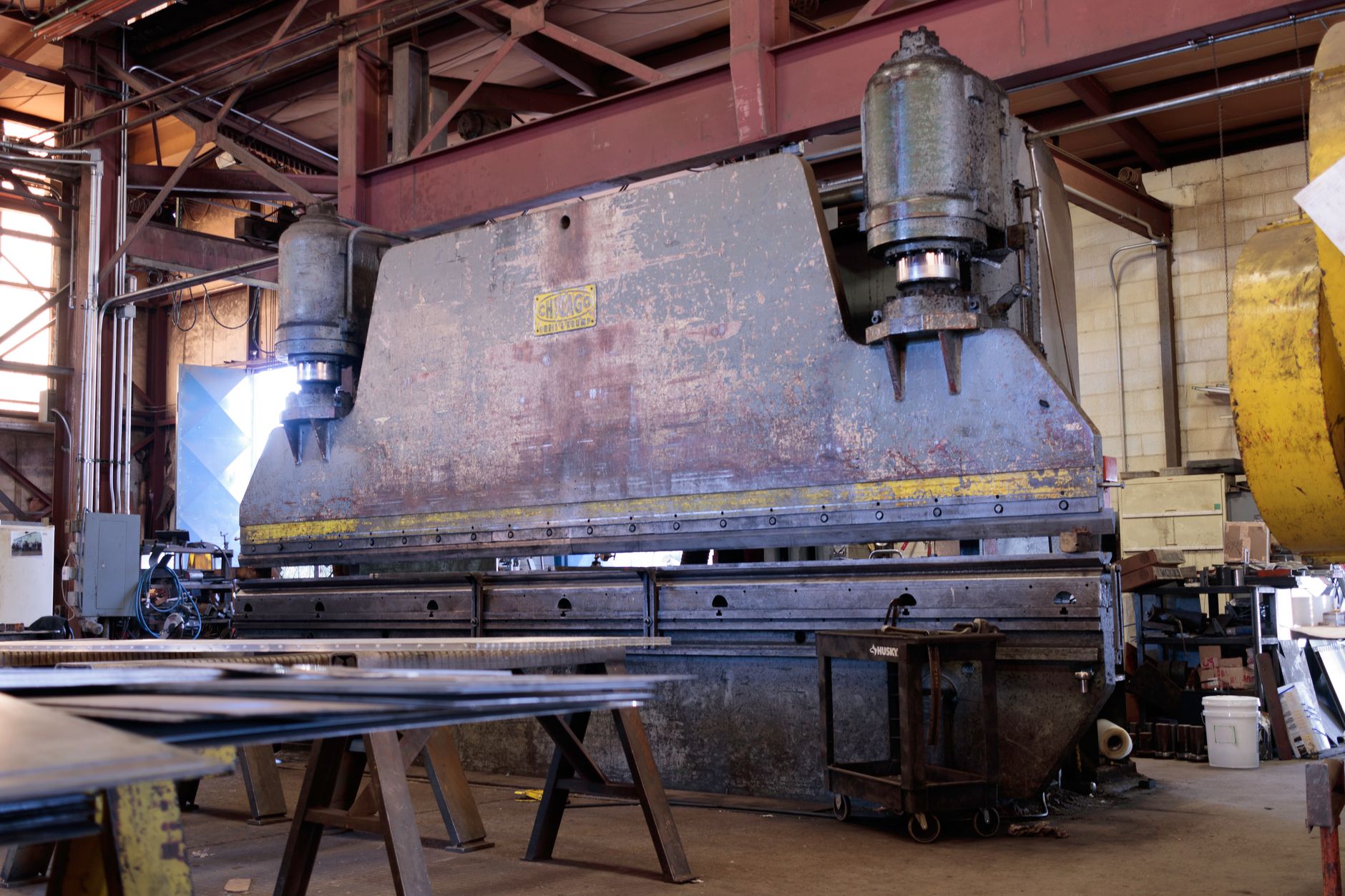
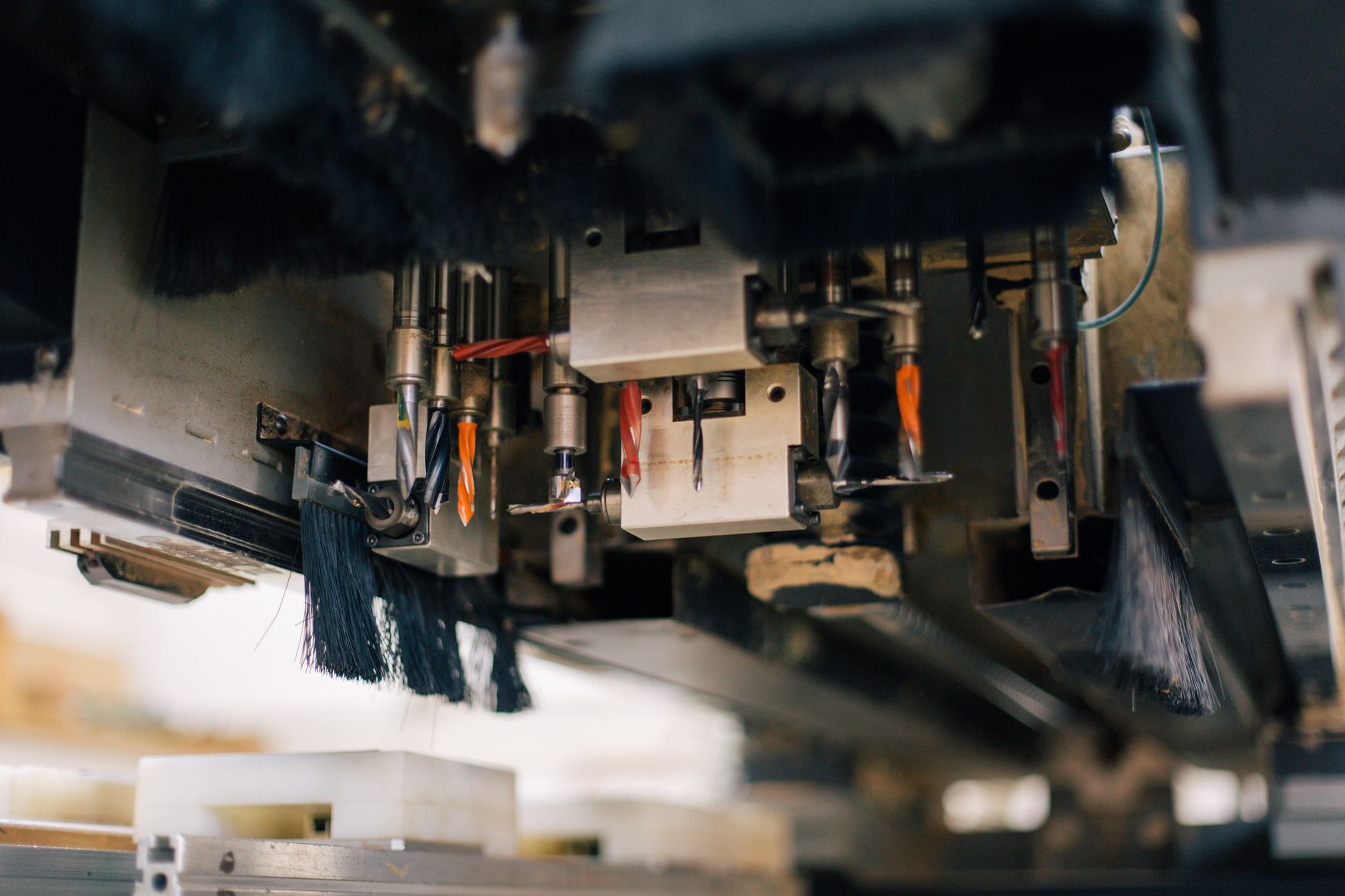
Back Gauge Function
Understanding how the back gauge works.
Purpose
The back gauge:
- Positions material: Sets bend line location
- Ensures consistency: Repeatable part dimensions
- Supports material: Prevents sagging during bending
- Programs bend sequence: Multi-bend part accuracy
Components
Key back gauge elements:
- Rails: Guide finger movement
- Fingers: Contact and position material
- Drive system: Motor and ballscrew
- Encoders: Position feedback
Calibration Preparation
Required Tools
Gather these items:
- Precision ruler: Accurate to 0.01mm or 0.001″
- Test material: Known thickness, flat stock
- Calipers: For measuring bent parts
- Cleaning supplies: Remove debris from rails
Pre-Calibration Checks
Before calibrating:
- Clean rails: Remove all debris and old lubricant
- Check lubrication: Apply fresh way oil
- Inspect fingers: Look for wear or damage
- Verify level: Machine must be level
Calibration Procedure
Step 1: Home Position
Establish reference point:
- Return to home: Execute home cycle
- Verify position: Check display reads zero
- Physical check: Measure from die to fingers
- Adjust if needed: Follow manufacturer procedure
Step 2: Axis Calibration
Calibrate each axis:
- Command position: Move to specific distance (e.g., 100mm)
- Measure actual: Use precision ruler
- Compare values: Note any discrepancy
- Enter compensation: Input correction factor
- Repeat: Test at multiple positions
Step 3: Finger Alignment
Ensure parallel positioning:
- Measure both fingers: Check left and right positions
- Adjust independently: Some machines allow individual finger adjustment
- Verify parallel: Both fingers same distance from die
- Test with material: Insert stock, check contact
Troubleshooting
Common Problems
Issues and solutions:
- Inconsistent dimensions: Recalibrate, check for mechanical wear
- Back gauge drift: Check encoder connections, replace if faulty
- Motor noise: Inspect ballscrew, lubricate or replace
- Slow movement: Check for obstructions, verify motor function
When to Call Service
Professional help needed for:
- Encoder failure: Requires specialized equipment
- Motor problems: Electrical diagnosis needed
- Mechanical damage: Bent rails or broken components
- Repeated calibration failure: Underlying issue exists
Frequently Asked Questions
Q1: How often should back gauge be calibrated?
Monthly for high-use machines, quarterly for moderate use. Also calibrate after any maintenance or if part dimensions become inconsistent.
Q2: What accuracy should I expect?
Well-calibrated back gauges achieve ±0.01mm (±0.0004″) accuracy. Older machines may have slightly lower precision.
Q3: Can I calibrate without special tools?
Basic calibration is possible with a good ruler. Precision calibration requires calibrated measurement equipment.
Q4: Why do my parts vary even after calibration?
Consider material variation, springback changes, or tooling wear. Back gauge is only one factor in bend accuracy.
Conclusion
Regular back gauge calibration maintains press brake accuracy and reduces scrap. Follow manufacturer procedures, use proper tools, and document calibration results. When in doubt, consult your machine manual or call qualified service.
Need press brake support? We provide CNC press brakes with full calibration support and training.
How to Maintain Hydraulic Shearing Machine Blades
Sharp, properly maintained blades are essential for clean shearing cuts. Regular blade maintenance extends tool life, improves cut quality, and reduces machine stress. This guide covers blade care, sharpening, and replacement procedures.

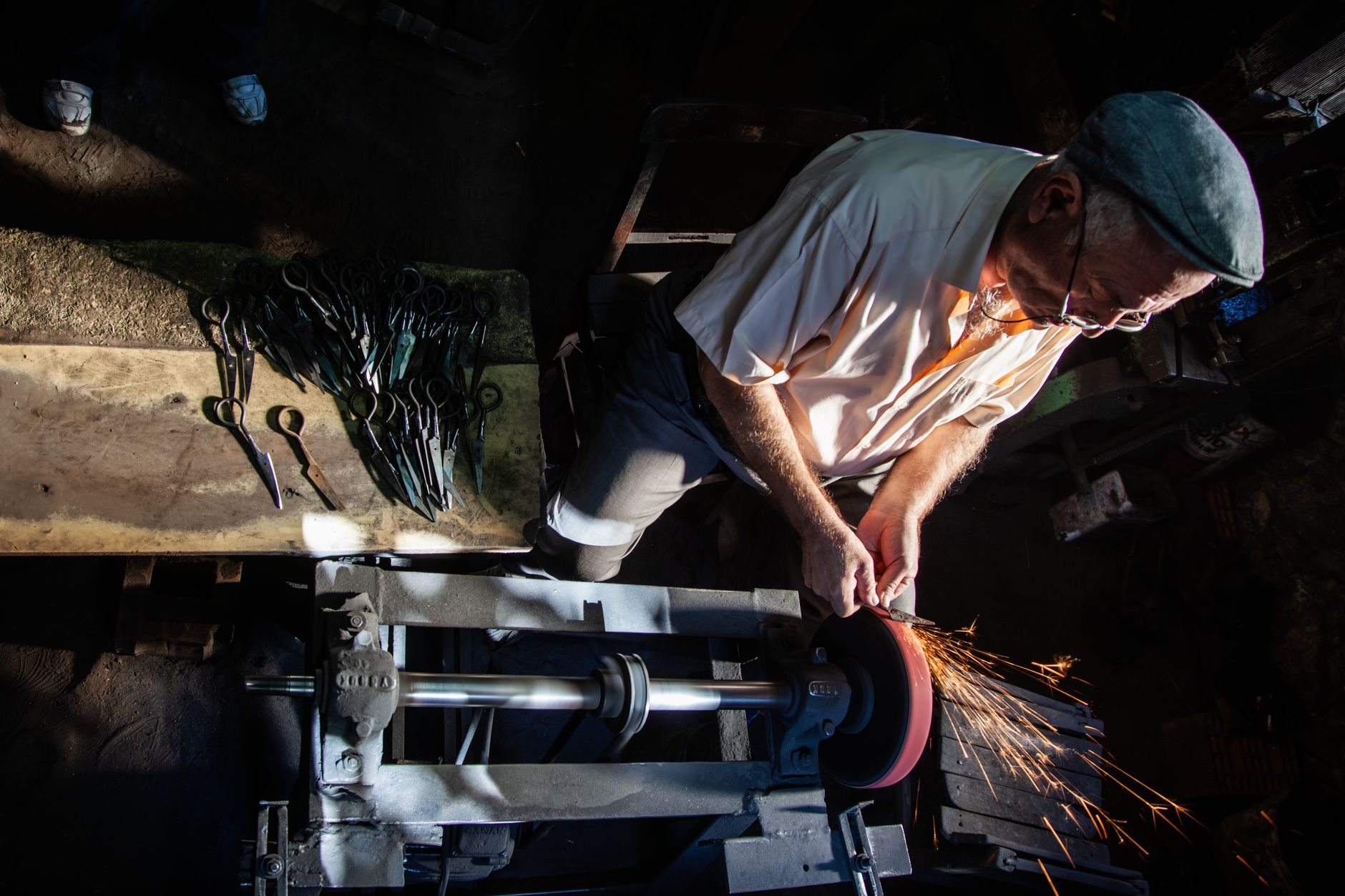
Blade Types and Materials
Understanding your blades is the first step in maintenance.
Common Blade Materials
Shearing machine blades are made from:
- High-carbon steel: Good edge retention, economical
- Alloy steel: Enhanced toughness and wear resistance
- Tool steel: Premium grade for demanding applications
- Tungsten carbide: Maximum hardness and longevity
Blade Configurations
Different setups for different needs:
- Straight blades: Standard for most shearing
- Raked blades: Reduced cutting force for thick material
- Double-edged: Can be flipped when one edge dulls
Blade Maintenance Schedule
Daily Maintenance
Keep blades in top condition:
- Clean after use: Remove metal chips and debris
- Light oiling: Apply thin coat to prevent rust
- Visual inspection: Check for nicks or damage
- Gap check: Verify blade clearance setting
Weekly Maintenance
More thorough inspection:
- Edge inspection: Look for dull spots or chips
- Mounting bolts: Check tightness and condition
- Blade alignment: Verify parallel positioning
- Lubrication: Apply fresh protective coating
Blade Sharpening
Signs Blades Need Sharpening
Watch for these indicators:
- Burr formation: Increased burr on cut edges
- Rough cuts: Edge quality deteriorates
- Increased force: Machine works harder
- Material deformation: Sheet bends before cutting
Sharpening Methods
Professional sharpening options:
- Surface grinding: Most common, maintains geometry
- CNC grinding: Precise angle control
- Lapping: Fine finish for precision work
- Replacement: Often more economical than sharpening
Blade Clearance Adjustment
Setting Proper Clearance
Gap affects cut quality:
- Thin material: 5-7% of material thickness
- Medium material: 7-10% of material thickness
- Thick material: 10-12% of material thickness
Adjustment Procedure
Step-by-step clearance setting:
- Measure material: Determine exact thickness
- Calculate gap: Apply percentage guideline
- Loosen bolts: Allow blade movement
- Set clearance: Use feeler gauges
- Tighten evenly: Torque bolts to specification
- Test cut: Verify with sample material
Frequently Asked Questions
Q1: How often should shearing blades be sharpened?
Depends on usage. High-volume shops may sharpen monthly. Light use may only need sharpening annually. Watch cut quality for indicators.
Q2: Can I sharpen blades myself?
Minor touch-ups are possible with proper equipment. Professional sharpening is recommended for best results and to maintain blade geometry.
Q3: What causes premature blade wear?
Common causes include cutting hardened material, incorrect clearance, contaminated material, and lack of lubrication.
Q4: How do I know when to replace vs. sharpen blades?
If blades have been sharpened 3-4 times or have significant damage, replacement is usually more cost-effective.
Conclusion
Proper blade maintenance is essential for quality shearing results. Daily cleaning, regular inspection, and timely sharpening keep your machine producing clean cuts. Follow manufacturer guidelines and don’t delay maintenance when cut quality declines.
Need replacement blades? We supply quality shearing machine blades for all major brands with fast delivery.
Looking for expert guidance on press feeding systems for auto parts production? This guide covers automation solutions for 2026.
Press Feeding System Overview
Automated press feeding systems are critical for efficient automotive parts production, ensuring consistent material handling and high productivity.
Types of Press Feeding Systems
Roll Feed Systems
- Applications: Coil stock feeding
- Speed: Up to 600 SPM
- Precision: +/- 0.05mm
- Best for: Progressive die stamping
Servo Feed Systems
- Applications: Precision feeding
- Speed: Up to 400 SPM
- Precision: +/- 0.02mm
- Best for: High-accuracy parts
Robot Loading Systems
- Applications: Large part handling
- Flexibility: Multi-part handling
- Integration: Full automation
- Best for: Transfer press operations
Benefits of Automated Feeding
- Increased production efficiency
- Improved part consistency
- Reduced labor costs
- Enhanced operator safety
Contact Us
Need expert advice on press feeding systems? Contact our team today for personalized recommendations and competitive quotes.
Looking for expert guidance on high speed press machines for automotive components? This selection guide covers 60T-300T presses for 2026.
High Speed Press Applications in Automotive
High speed press machines are essential for producing automotive electrical components, terminals, and small precision parts.
Tonnage Selection Guide
60T – 80T Press Machines
- Applications: Electrical terminals, connectors
- Speed: 300-500 SPM
- Die size: Up to 400mm
- Best for: Small precision parts
100T – 150T Press Machines
- Applications: Bracket stamping, metal contacts
- Speed: 200-400 SPM
- Die size: Up to 600mm
- Best for: Medium automotive components
200T – 300T Press Machines
- Applications: Structural brackets, mounting plates
- Speed: 100-250 SPM
- Die size: Up to 1000mm
- Best for: Larger automotive parts
Key Features for Automotive Production
- High precision guidance system
- Quick die change capability
- Progressive die compatibility
- Automated feeding systems
Contact Us
Need expert advice on high speed press machines? Contact our team today for personalized recommendations and competitive quotes.
Looking for expert guidance on automotive stamping press solutions? This comprehensive guide covers press machine selection for car parts manufacturing in 2026.
Automotive Stamping Press Requirements
Automotive component manufacturing requires precise, high-speed press machines capable of producing consistent quality parts.
Key Press Types for Auto Parts
C Frame Mechanical Press
- Tonnage: 3T – 80T
- Applications: Small brackets, clips, connectors
- Speed: 60-150 SPM
- Cost-effective for simple parts
H Frame Hydraulic Press
- Tonnage: 100T – 400T
- Applications: Body panels, structural components
- Precise force control
- Deep drawing capabilities
High Speed Press Machine
- Tonnage: 60T – 300T
- Applications: Electrical components, terminals
- Speed: 200-600 SPM
- Progressive die stamping
Quality Considerations
- Precision and repeatability
- Die protection systems
- Automation compatibility
- Safety features
Contact Us
Need expert advice on automotive stamping press solutions? Contact our team today for personalized recommendations and competitive quotes.
Maximizing Feeding Line Performance
Optimizing your press feeding line directly impacts production efficiency, material utilization, and overall profitability. Implement these strategies for peak performance.
Proper Equipment Selection
- Match Capacity: Ensure feeder speed exceeds press SPM requirements by 20-30%.
- Material Compatibility: Select straightener rolls and feeder grips suited for your material thickness and type.
- Coil Weight: Choose decoiler capacity matching your typical coil sizes to minimize changeover time.
Setup and Calibration
Regular calibration of feeding length ensures part consistency. Use laser measurement tools to verify actual feed against programmed values. Adjust roller pressure to prevent material slippage without causing surface marks.
Preventive Maintenance
Schedule weekly inspections of feeder rollers, straightener bearings, and servo motors. Clean sensors and lubricate moving components according to manufacturer specifications.
Operator Training
Well-trained operators identify issues before they cause defects. Implement standard operating procedures for threading, troubleshooting, and quality checks.
Choosing the Right Feeding Technology
Selecting between NC servo feeders and traditional roller feeders depends on your production requirements, material types, and budget constraints. Each technology offers distinct advantages.
NC Servo Feeder Advantages
- High Precision: Feeding accuracy of ±0.05mm ensures consistent part quality.
- Flexible Programming: Easy changeover between different feed lengths and patterns.
- Multi-Step Feeding: Supports complex feeding sequences for progressive dies.
- Material Savings: Optimized feed patterns reduce scrap rates.
Roller Feeder Advantages
- Cost-Effective: Lower initial investment for budget-conscious operations.
- Simple Operation: Mechanical design requires minimal training.
- High Speed: Excellent for high-volume production with fixed feed lengths.
- Low Maintenance: Fewer electronic components mean reduced downtime.
Application Recommendations
Choose NC servo feeders for precision parts, frequent changeovers, or complex stamping patterns. Roller feeders excel in dedicated high-volume production with stable requirements.

Like what you see?
Check our case studies.