cfmglift

March 27, 2026

CNC Press Brake vs Traditional Bending: Which Technology Fits Your Fabrication Shop

Deciding between CNC press brake and traditional bending methods? This comprehensive comparison helps fabrication shop owners understand the advantages, costs, and best applications for each technology. Make an informed decision that maximizes your shop’s productivity and profitability.

Understanding Metal Bending Technologies

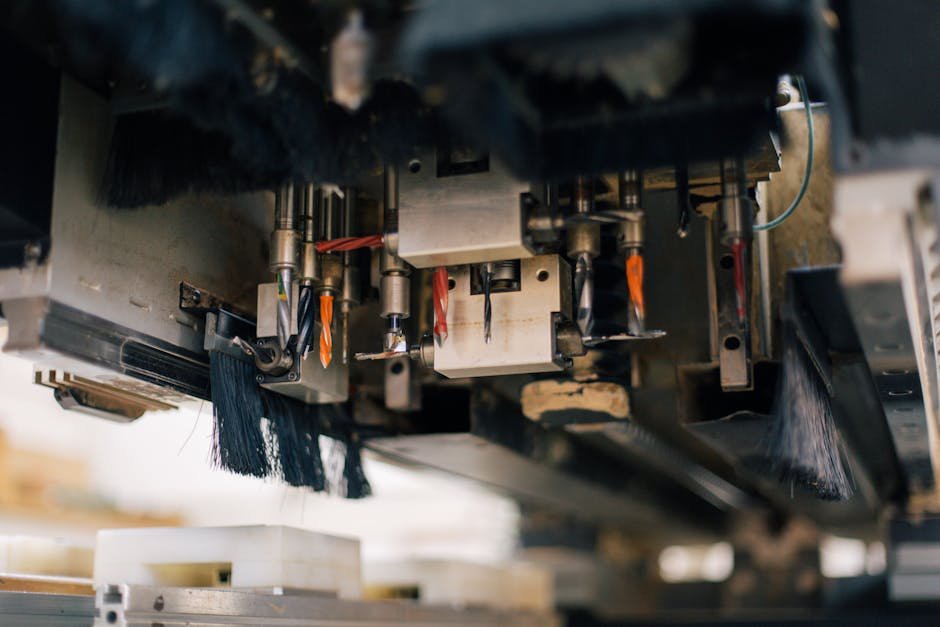
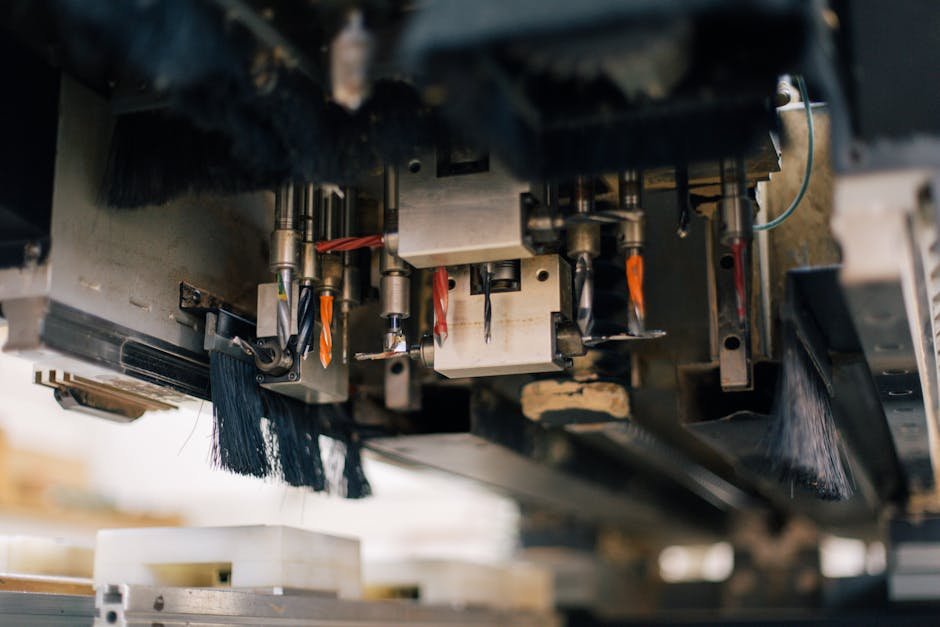
Detailed view of an industrial machine with multiple drills and brushes in a factory setting.
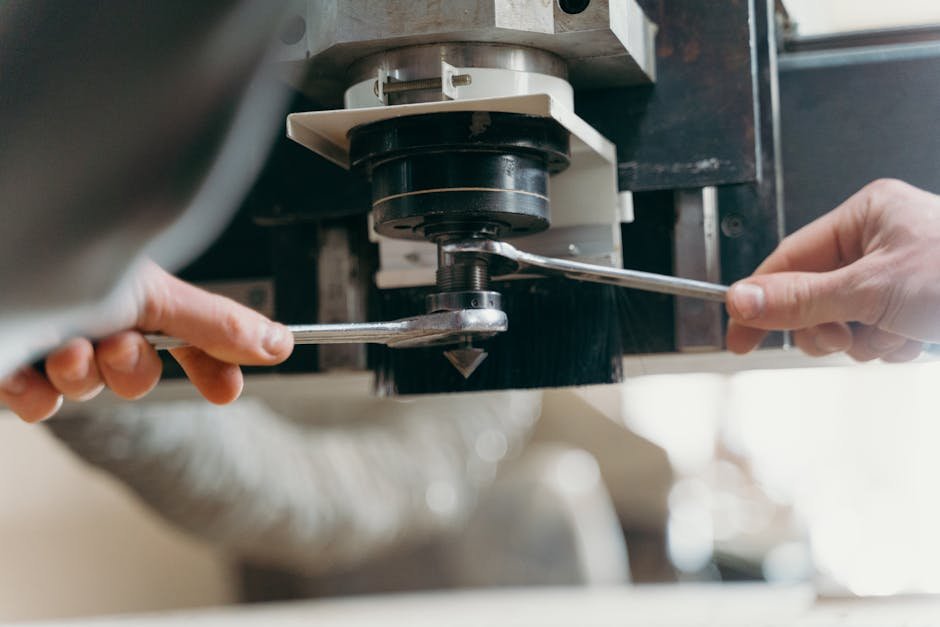
Close-up of hands adjusting a CNC machine using wrenches in an industrial setting.
Close-up of hot iron being shaped in a forge, highlighting intense heat and craftsmanship.

Metal bending is a fundamental fabrication process used across industries from automotive to aerospace. The choice between CNC press brake and traditional bending methods significantly impacts production efficiency, part quality, and operating costs.

CNC Press Brake Technology

How CNC Press Brakes Work

CNC (Computer Numerical Control) press brakes use computerized controls to precisely position the back gauge and control ram movement. Operators program bend sequences, and the machine executes them with high repeatability.

Key Advantages

  • Precision: Accuracy within ±0.001 inches
  • Repeatability: Consistent results across production runs
  • Speed: Faster setup and production cycles
  • Complexity: Handles complex multi-bend parts easily
  • Reduced labor: One operator can run the machine

Best Applications

  • High-volume production runs
  • Complex parts with multiple bends
  • Tight tolerance requirements
  • Frequent job changes

Traditional Bending Methods

Manual Press Brakes

Traditional manual press brakes rely on operator skill for positioning and bending. While less precise, they offer flexibility and lower initial cost.

Key Characteristics

  • Lower initial cost: Significantly cheaper than CNC
  • Operator dependent: Quality depends on skill level
  • Flexible: Quick adjustments for one-off jobs
  • Simple maintenance: Fewer electronic components

Best Applications

  • Low-volume job shops
  • Simple bend requirements
  • Tight budget constraints
  • Repair and maintenance work

Cost Comparison

Initial Investment

  • CNC Press Brake: $100,000-$500,000+
  • Manual Press Brake: $20,000-$80,000

Operating Costs

  • CNC: Higher maintenance costs, lower labor costs
  • Manual: Lower maintenance, higher skilled labor costs

ROI Considerations

CNC press brakes typically pay for themselves within 2-4 years through increased productivity and reduced labor costs in high-volume applications.

Productivity Comparison

Setup Time

  • CNC: 5-15 minutes with program recall
  • Manual: 30-60 minutes requiring manual measurement

Production Rate

  • CNC: 300-600 bends per hour
  • Manual: 100-200 bends per hour

Quality and Precision

CNC Advantages

  • Consistent bend angles
  • Precise bend locations
  • Reduced scrap rates
  • Documented processes

Manual Considerations

  • Variable quality between operators
  • Higher scrap rates on complex parts
  • Difficult to maintain consistency

Operator Requirements

CNC Press Brake

  • CNC programming training
  • Understanding of G-code
  • Blueprint reading skills
  • Less physical labor

Manual Press Brake

  • Extensive hands-on experience
  • Strong measurement skills
  • Physical stamina
  • Years to master

Frequently Asked Questions

Q1: When should I upgrade from manual to CNC?

Consider upgrading when labor costs exceed machine payments, when quality consistency becomes critical, or when losing bids due to production capacity.

Q2: Can CNC press brakes handle thick materials?

Yes, CNC press brakes are available for materials from thin gauge up to 1+ inch thick steel. Tonnage determines maximum thickness capacity.

Q3: How long does CNC programming take to learn?

Basic operation can be learned in weeks, but mastering complex programming takes 6-12 months of experience.

Conclusion

CNC press brakes offer superior precision, productivity, and consistency for modern fabrication shops. While the initial investment is higher, the long-term benefits in reduced labor, improved quality, and increased capacity often justify the cost.

Ready to upgrade your bending capabilities? Contact our specialists for CNC press brake recommendations tailored to your production requirements and budget.

For more metal fabrication guidance, explore our guides on hydraulic press brakes and shearing machines.


March 26, 2026

Introduction

Iron worker machines are multi-function metal fabrication powerhouses, combining punching, shearing, and bending operations in a single compact unit. This comprehensive guide explores iron worker capabilities, applications, and selection criteria for maximizing shop efficiency in 2026.

What is an Iron Worker Machine?

Multi-Function Capabilities

An iron worker is a hydraulic machine that integrates multiple fabrication operations:

  • Punching: Round, square, or custom holes in plates and sections
  • Shearing: Flat bar, angle, round, and square stock cutting
  • Notching: V-notches and copes in angles and channels
  • Bending: Flat bar and angle bending (on some models)

Key Advantages

  • Space efficiency: One machine replaces 3-4 separate units
  • Cost savings: Lower investment than individual machines
  • Versatility: Handle diverse fabrication tasks
  • Productivity: Quick station changes, minimal setup
  • Accuracy: Precision tooling for consistent results

Main Components and Stations

Punching Station

  • Capacity: Typically 20-40mm hole in mild steel
  • Throat depth: 300-600mm from punch center
  • Stroke: Adjustable for different material thicknesses
  • Tooling: Quick-change punch and die sets

Angle Shear Station

  • Capacity: 50-150mm leg length
  • Thickness: Up to 15mm
  • Cut quality: Clean cuts with minimal distortion
  • Back gauge: Adjustable for repeatable lengths

Flat Bar Shear Station

  • Width capacity: Up to 300-400mm
  • Thickness: 6-20mm depending on model
  • Blade type: Adjustable rake angle

Round Bar Shear Station

  • Capacity: 20-60mm diameter
  • Blade design: V-shaped for clean cuts

Notching Station

  • Angle notching: 90° V-notches for angle iron
  • Channel notching: Copes for channel and I-beam
  • Capacity: Matches angle shear capacity

Types of Iron Workers

By Tonnage

Light-Duty (40-65 tons)

  • Punching: 16-20mm in mild steel
  • Angle shear: 50-75mm
  • Best for: Small fabrication shops, maintenance departments
  • Price range: $15,000-30,000

Medium-Duty (80-120 tons)

  • Punching: 25-30mm in mild steel
  • Angle shear: 90-120mm
  • Best for: General fabrication, structural work
  • Price range: $30,000-60,000

Heavy-Duty (150-200+ tons)

  • Punching: 35-45mm in mild steel
  • Angle shear: 130-180mm
  • Best for: Structural steel fabrication, heavy industry
  • Price range: $60,000-120,000

By Control System

Manual Iron Worker

  • Foot pedal operation
  • Manual station selection
  • Manual back gauge
  • Lower cost, suitable for varied low-volume work

NC Iron Worker

  • Motorized back gauge
  • Digital position display
  • Programmable cut/punch positions
  • Good for medium-volume production

CNC Iron Worker

  • Fully automated operation
  • CNC back gauge with multiple axes
  • Automatic tool selection (on advanced models)
  • Program storage and recall
  • Best for: High-volume production shops

Capacity Specifications

Punching Capacity (Mild Steel Q235)

Machine Tonnage Max Hole Diameter Max Plate Thickness
40-65 ton 16-20mm 12-16mm
80-120 ton 25-30mm 20-25mm
150-200 ton 35-45mm 30-40mm

Shearing Capacity

Material Type 80 ton 120 ton 180 ton
Flat bar (width) 250mm 300mm 400mm
Angle iron (leg) 90mm 120mm 150mm
Round bar (diameter) 30mm 40mm 55mm
Square bar 25mm 35mm 45mm

Tooling Options

Punch and Die Sets

  • Round: Standard sizes from 6-50mm
  • Square: 10-40mm
  • Oblong/Slot: Custom sizes for specific applications
  • Custom shapes: Available for specialized needs

Shear Blades

  • Angle shear blades: 90° V-design
  • Flat bar blades: Straight or adjustable rake
  • Round bar blades: V-groove design
  • Material: Cr12MoV or SKD11 tool steel, HRC 58-62

Notching Tools

  • Angle notch: 90° V-notch for angle iron
  • Channel cope: For channel and I-beam notching
  • Tube notch: For round and square tubing

Applications by Industry

Structural Steel Fabrication

  • Beam and column connection holes
  • Angle bracket production
  • Base plate fabrication
  • Bracing member preparation

Construction Equipment

  • Frame component fabrication
  • Mounting bracket production
  • Guard and cover manufacturing

Electrical and Telecom

  • Cable tray fabrication
  • Support bracket production
  • Enclosure manufacturing

HVAC Industry

  • Duct support fabrication
  • Equipment mounting frames
  • Hanger production

Operational Efficiency

Setup Time Comparison

Operation Separate Machines Iron Worker
Punch hole Move to punch press: 5 min Select station: 30 sec
Cut angle Move to saw: 5 min Select station: 30 sec
Notch angle Move to notcher: 5 min Select station: 30 sec
Total job 20-30 minutes 2-3 minutes

Production Rate

  • Typical cycle time: 2-4 seconds per operation
  • Pieces per hour: 300-600 (depending on complexity)
  • Material handling: 30-40% of total time

Maintenance Requirements

Daily Checks

  • Hydraulic oil level
  • Blade and punch condition
  • Hold-down operation
  • Unusual noises or vibrations

Regular Maintenance

  • Hydraulic oil change: Every 2000 hours or annually
  • Filter replacement: Every 500 hours
  • Blade sharpening/rotation: Every 1000-3000 cuts
  • Guide adjustment: Monthly
  • Full inspection: Annually

FAQ

Q: What’s the difference between an iron worker and a punch press?

A: Iron workers are multi-function machines combining punching, shearing, and notching. Punch presses specialize in high-speed punching with larger bed sizes and CNC capabilities. Iron workers excel in versatility; punch presses excel in production punching.

Q: How accurate are iron worker cuts?

A: With proper tooling and setup, iron workers achieve ±0.5mm accuracy on cut lengths and ±1mm on hole positions. CNC models offer higher repeatability for production work.

Q: Can iron workers cut stainless steel?

A: Yes, but capacity is reduced. Typically, stainless steel capacity is 50-60% of mild steel rating due to higher shear strength. Use sharp tooling and adjust clearance accordingly.

Q: How often should blades be sharpened?

A: Blades typically last 1000-3000 cuts depending on material. Mild steel allows more cuts; stainless steel and abrasive materials require more frequent sharpening.

Conclusion

Iron worker machines provide exceptional versatility and value for metal fabrication shops. By combining multiple operations in one compact unit, they reduce floor space, equipment investment, and material handling time while maintaining production flexibility.

Contact Us

Ready to upgrade your fabrication capability? We offer iron workers from 40 to 200 tons with manual, NC, and CNC options. Contact us today for specifications, pricing, and tooling packages.


March 26, 2026

Introduction

Shearing machines are fundamental equipment in metal fabrication, providing efficient straight-line cutting of sheet metal and plates. This comprehensive guide explores shearing machine types, working principles, and selection criteria for optimal metal cutting operations in 2026.

How Shearing Machines Work

Basic Cutting Principle

Shearing machines cut metal by applying shear stress that exceeds the material’s ultimate shear strength, using two blades positioned at a precise angle and clearance.

  • Upper blade: Moves vertically or at an angle
  • Lower blade: Fixed, supports the material
  • Blade clearance: Adjusted based on material thickness
  • Hold-downs: Clamp material to prevent movement during cutting

The Shearing Process

  1. Material positioned against back gauge
  2. Hold-downs clamp the workpiece
  3. Upper blade descends, contacting material
  4. Material undergoes elastic deformation
  5. Plastic deformation occurs as blade penetrates
  6. Fracture initiates from blade edges
  7. Complete separation achieved

Types of Shearing Machines

By Blade Motion

Guillotine Shear (Down-Acting)

  • Upper blade moves vertically downward
  • Most common type for general fabrication
  • Capacity: 1-25mm thickness
  • Length: 1000-4000mm
  • Advantages: Simple, reliable, cost-effective

Swing Beam Shear

  • Upper blade pivots in arc motion
  • Reduced wear on guides and seals
  • Better for thin sheet metal
  • Capacity: 0.5-6mm thickness
  • Advantages: Faster cycle time, less maintenance

Throatless Shear

  • No throat limitation, can cut any width
  • Material feeds through machine
  • Ideal for long strips and coils
  • Capacity: 0.5-3mm thickness
  • Advantages: Unlimited cutting length

By Power Source

Mechanical Shear

  • Driven by flywheel and clutch system
  • Faster cycle times (40-60 cuts/minute)
  • Fixed stroke length
  • Best for: High-volume thin sheet production

Hydraulic Shear

  • Hydraulic cylinders drive the blade
  • Full tonnage throughout stroke
  • Adjustable stroke and speed
  • Overload protection
  • Best for: Thick plate cutting, variable applications

Pneumatic Shear

  • Air-powered for light-duty applications
  • Lower capacity (up to 2mm)
  • Clean operation (no hydraulic oil)
  • Best for: Thin sheet metal, clean environments

By Control System

Manual Shear

  • Foot pedal or hand lever operation
  • Manual back gauge adjustment
  • Low cost, simple operation
  • Best for: Job shops, low-volume work

NC Shear (Numerical Control)

  • Motorized back gauge
  • Digital position display
  • Programmable cut lengths
  • Best for: Medium-volume production

CNC Shear

  • Fully computerized control
  • Automatic blade gap adjustment
  • Multiple program storage
  • Production counting and diagnostics
  • Best for: High-volume, precision cutting

Key Specifications

Capacity Guidelines

Machine Type Max Thickness Max Length
Bench shear 1-2mm 500-1000mm
Light-duty 2-4mm 1000-2000mm
Medium-duty 4-10mm 2000-3200mm
Heavy-duty 10-20mm 2500-4000mm
Plate shear 20-40mm 2000-4000mm

Blade Specifications

  • Blade material: Cr12MoV, SKD11, or H13 tool steel
  • Blade hardness: HRC 58-62
  • Blade angle: 0.5°-2.5° (rake angle)
  • Clearance: 5-10% of material thickness

Cutting Tolerance

  • Standard tolerance: ±0.1mm per meter
  • Precision tolerance: ±0.05mm per meter
  • Squareness: ±0.2mm per meter

Material Considerations

Shearability by Material

Material Relative Shear Force Notes
Mild steel (Q235) 1.0x Baseline
Stainless steel (304) 1.5-1.8x Work hardening tendency
Aluminum 0.5-0.6x Softer, requires sharp blades
Copper/Brass 0.7-0.8x Ductile, clean cuts
High-strength steel 1.8-2.5x Requires heavy-duty shear

Maximum Hardness

Most shears can cut materials up to HRC 35-40. Harder materials require specialized tooling or alternative cutting methods.

Applications by Industry

Sheet Metal Fabrication

  • Blanking sheets for further processing
  • Trimming edges after forming
  • Cutting to final dimensions

HVAC Industry

  • Ductwork panel cutting
  • Fitting and connector fabrication
  • Housing and enclosure production

Automotive

  • Body panel blanks
  • Frame component cutting
  • Bracket production

Appliance Manufacturing

  • Refrigerator and washer panels
  • Oven and microwave housings
  • Internal component blanks

Quality of Cut

Cut Edge Characteristics

  • Rollover: Rounded edge at top (5-10% of thickness)
  • Burnish: Smooth vertical surface (30-50%)
  • Fracture: Rough area (40-60%)
  • Burr: Sharp edge at bottom (should be <10% of thickness)

Factors Affecting Cut Quality

  • Blade sharpness and condition
  • Proper blade clearance
  • Correct rake angle
  • Adequate hold-down pressure
  • Material condition and uniformity

Maintenance Requirements

Daily Checks

  • Hydraulic oil level (hydraulic models)
  • Blade condition and sharpness
  • Hold-down operation
  • Back gauge accuracy

Regular Maintenance

  • Blade rotation/replacement: Every 500-2000 cuts (depending on material)
  • Hydraulic oil change: Every 2000 hours
  • Filter replacement: Every 500 hours
  • Guide adjustment: Monthly
  • Full inspection: Annually

FAQ

Q: How do I determine the correct blade clearance?

A: Blade clearance = 5-10% of material thickness. Thinner materials require less clearance (5%), thicker materials need more (10%). Incorrect clearance causes excessive burr or blade damage.

Q: What causes excessive burr on cut edges?

A: Common causes include dull blades, incorrect clearance, insufficient hold-down pressure, or cutting material that’s too hard for the machine capacity.

Q: How often should blades be sharpened?

A: Blades typically last 500-2000 cuts depending on material. Mild steel allows more cuts; stainless steel and aluminum require more frequent sharpening.

Q: Can shearing machines cut angled lines?

A: Standard shears cut straight lines only. For angled cuts, use a CNC shear with tilting blade capability or consider laser/plasma cutting for complex shapes.

Conclusion

Shearing machines provide efficient, cost-effective straight-line cutting for metal fabrication operations. Proper selection based on material type, thickness, and production volume ensures optimal cut quality and machine longevity.

Contact Us

Need a reliable shearing solution for your fabrication shop? We offer mechanical and hydraulic shears from 1m to 4m cutting length. Contact us today for specifications and pricing.


March 26, 2026

Introduction

Hydraulic press brakes are essential machines in metal fabrication, enabling precise bending of sheet metal and plates. This comprehensive guide covers working principles, types, applications, and selection criteria for hydraulic press brakes in 2026.

How Hydraulic Press Brakes Work

Basic Operating Principle

A hydraulic press brake uses hydraulic cylinders to drive a punch into sheet metal positioned on a die, creating precise bends through controlled force application.

  • Hydraulic system: Generates tonnage through pressurized oil
  • Punch and die: Tooling that shapes the metal
  • Back gauge: Positions workpiece for accurate bend placement
  • CNC control: Manages pressure, position, and speed

Key Components

  • Frame: Welded steel structure supporting all components
  • Hydraulic cylinders: One or two cylinders providing bending force
  • Ram: Moving beam that applies force to punch
  • Bed: Stationary lower beam holding the die
  • Back gauge: Adjustable positioning system
  • CNC controller: Computerized control system

Types of Hydraulic Press Brakes

By Frame Design

Up-Acting Press Brake

  • Cylinders mounted at bottom, pushing ram upward
  • More stable for heavy-duty applications
  • Better for thick plate bending
  • Typical tonnage: 100-1000+ tons

Down-Acting Press Brake

  • Cylinders mounted at top, pulling ram downward
  • Faster operation, lower center of gravity
  • Common in standard fabrication shops
  • Typical tonnage: 40-400 tons

By Control System

Manual Press Brake

  • Operator controls all parameters manually
  • Lower cost, suitable for simple bends
  • Requires skilled operator
  • Best for: Low-volume, custom work

CNC Press Brake

  • Computerized control of all axes
  • Automatic back gauge positioning
  • Programmable bend sequences
  • Best for: High-volume, complex parts

By Synchronization

Torsion Bar Synchronization

  • Mechanical synchronization via torsion bar
  • Cost-effective, reliable
  • Accuracy: ±0.1mm
  • Suitable for: General fabrication

CNC Synchronization

  • Electronic synchronization via servo valves
  • Higher accuracy and repeatability
  • Accuracy: ±0.01mm
  • Suitable for: Precision manufacturing

Key Specifications

Tonnage Selection

Material Thickness Bend Length Required Tonnage
1-3mm 1000mm 20-40 tons
3-6mm 2000mm 60-100 tons
6-10mm 2500mm 100-200 tons
10-20mm 3000mm 200-400 tons
20-40mm 4000mm 400-800 tons

Working Dimensions

  • Bed length: 1000-6000mm (standard: 2500-4000mm)
  • Throat depth: 200-500mm
  • Stroke length: 200-400mm
  • Daylight: 400-800mm (adjustable)

Accuracy Specifications

  • Bend angle accuracy: ±0.5° to ±1°
  • Back gauge accuracy: ±0.01mm to ±0.05mm
  • Repeatability: ±0.01mm

Tooling Options

Punch Types

  • Gooseneck punch: For forming boxes and pans
  • Acute punch: For sharp bends (≤90°)
  • Radius punch: For curved bends
  • Hemming punch: For flat hems and teardrop hems

Die Types

  • V-die: Most common, various V-widths
  • U-die: For U-channel forming
  • Hemming die: For hemming operations
  • Acute die: For sharp angle bends

Die Selection Rule

V-die opening = 6-8 × material thickness (for mild steel)

  • 1mm sheet: V6 or V8 die
  • 3mm plate: V18 or V24 die
  • 6mm plate: V36 or V48 die
  • 10mm plate: V60 or V80 die

Applications by Industry

Sheet Metal Fabrication

  • Enclosures and cabinets
  • Brackets and supports
  • Ductwork and HVAC components
  • Machine guards

Automotive Industry

  • Chassis components
  • Body panels
  • Exhaust system parts
  • Frame rails

Construction Equipment

  • Bucket components
  • Structural frames
  • Support brackets
  • Protective covers

Appliance Manufacturing

  • Washing machine cabinets
  • Refrigerator panels
  • Oven housings
  • Air conditioner components

Advantages of Hydraulic Press Brakes

  • High tonnage: Can bend thick plates (up to 40mm+)
  • Full tonnage throughout stroke: Consistent force at any position
  • Overload protection: Hydraulic relief valves prevent damage
  • Smooth operation: Hydraulic damping reduces shock
  • Adjustable pressure: Fine-tune force for different materials
  • Cost-effective: Lower initial cost than electric servo models

Maintenance Requirements

Daily Checks

  • Hydraulic oil level
  • Oil temperature (should be <60°C)
  • Unusual noises or vibrations
  • Tooling condition

Regular Maintenance

  • Hydraulic oil change: Every 2000 hours or annually
  • Filter replacement: Every 500 hours
  • Back gauge lubrication: Weekly
  • Hydraulic hose inspection: Monthly
  • Ram alignment check: Quarterly

FAQ

Q: What’s the difference between hydraulic and electric press brakes?

A: Hydraulic press brakes offer higher tonnage at lower cost, while electric servo brakes provide faster cycle times and higher precision. Hydraulic is better for thick plates; electric excels in high-speed precision work.

Q: How do I calculate required tonnage?

A: Tonnage = (Material tensile strength × Thickness² × Bend length) / Die opening. Most manufacturers provide tonnage charts for quick reference.

Q: What’s the minimum bend radius?

A: For mild steel, minimum inside radius equals material thickness. Softer materials can achieve tighter radii; harder materials require larger radii to prevent cracking.

Q: How often should hydraulic oil be changed?

A: Hydraulic oil should be changed every 2000 operating hours or annually, whichever comes first. Regular oil analysis can extend change intervals.

Conclusion

Hydraulic press brakes remain the workhorse of metal fabrication shops, offering reliable performance, high tonnage capacity, and cost-effective operation. Proper selection based on material thickness, bend length, and accuracy requirements ensures optimal productivity and part quality.

Contact Us

Looking for a reliable hydraulic press brake? We offer a complete range from 40 to 800 tons with CNC control options. Contact us today for technical specifications and competitive pricing.


March 26, 2026

Introduction

Automation is transforming press machine operations worldwide. But with automation systems costing $50,000 to $500,000+, manufacturers need to carefully evaluate whether the investment delivers sufficient return. This comprehensive analysis examines the true cost-benefit of press machine automation.

Automation System Types and Costs

Decoiler and Straightener Systems

System Type Material Width Price Range Installation
Basic Decoiler Up to 500mm $8,000-15,000 $2,000-4,000
Decoiler + Straightener 500-1000mm $20,000-40,000 $5,000-8,000
3-in-1 System 1000-1600mm $40,000-80,000 $10,000-15,000

Feeding Systems

Feeder Type Speed (m/min) Accuracy Price Range
Roll Feeder (Mechanical) 10-30 ±0.5mm $10,000-20,000
Roll Feeder (Servo) 30-80 ±0.05mm $25,000-50,000
Gripper Feeder 20-60 ±0.03mm $40,000-80,000
NC Servo Feeder 40-100 ±0.02mm $30,000-60,000

Transfer Systems

System Type Stations Speed (SPM) Price Range
2-Axis Transfer 2-6 15-40 $80,000-150,000
3-Axis Transfer 4-10 20-60 $150,000-300,000
Robotic Transfer Flexible 10-30 $200,000-500,000

Complete Automation Line

Configuration Components Total Investment
Basic Line Decoiler + Feeder + Press $100,000-200,000
Medium Line 3-in-1 + Servo Feeder + Press + Stacker $250,000-500,000
Advanced Line Full transfer system + Vision inspection + Packaging $500,000-1,500,000

Labor Cost Savings Analysis

Manual vs Automated Operation

Operation Type Manual Operators Automated Operators Reduction
Basic Stamping 2-3 per shift 1 per shift 50-67%
Progressive Die 2 per shift 0.5 per shift 75%
Transfer Press 3-4 per shift 1 per shift 67-75%
Multi-Press Cell 1 per press 1 per 3-4 presses 67-75%

Annual Labor Cost Savings

Assumptions:

  • Operator salary: $50,000/year
  • Benefits: 30% ($15,000)
  • Total cost per operator: $65,000/year
  • 2 shifts operation
Automation Level Labor Reduction Annual Savings 5-Year Savings
Basic Feeder 1 operator $65,000 $325,000
Servo Feed Line 2 operators $130,000 $650,000
Transfer System 3 operators $195,000 $975,000
Full Automation Cell 4 operators $260,000 $1,300,000

Productivity Gains

Production Speed Comparison

Metric Manual Semi-Auto Full Auto
Stroke Rate 20-40 SPM 40-80 SPM 80-200 SPM
Utilization Rate 60-70% 75-85% 90-95%
Setup Time 60-120 min 30-60 min 10-20 min
Material Change 30-45 min 15-20 min 5-10 min

Annual Production Increase

Automation Level Parts/Year Increase vs Manual Additional Revenue (at $0.50/part)
Manual (Baseline) 2,000,000
Semi-Auto Feeder 3,500,000 +75% $750,000
Servo Feed Line 5,000,000 +150% $1,500,000
Transfer System 7,000,000 +250% $2,500,000

Quality Improvement Benefits

Defect Rate Comparison

Operation Type Manual Defect Rate Automated Defect Rate Improvement
Simple Stamping 3-5% 0.5-1% 75-80%
Progressive Die 2-4% 0.3-0.8% 80-85%
Precision Stamping 4-6% 0.5-1.5% 70-80%
Deep Drawing 5-8% 1-2% 75-80%

Quality Cost Savings

Assumptions:

  • Annual production: 5,000,000 parts
  • Average part value: $2.00
  • Rework cost: 50% of part value
  • Scrap cost: 100% of part value + disposal
Scenario Defect Rate Annual Defects Quality Cost
Manual (4% defect) 4% 200,000 $300,000
Automated (0.8% defect) 0.8% 40,000 $60,000
Annual Savings 160,000 $240,000

Material Utilization Improvement

Nesting Efficiency

Feeding Type Material Utilization Scrap Rate Savings vs Manual
Manual Feeding 65-75% 25-35% Baseline
Roll Feeder 75-82% 18-25% +10%
Servo Feeder 82-88% 12-18% +15%
Optimized Nesting + Auto 88-94% 6-12% +20%

Material Cost Savings Example

Assumptions:

  • Annual material cost: $1,000,000
  • Manual utilization: 70%
  • Automated utilization: 85%
Metric Manual Automated Savings
Material Utilization 70% 85% +15%
Effective Output $700,000 $850,000 $150,000
To produce same output $1,000,000 $823,529 $176,471

Annual Material Savings: $176,471 (17.6%)

Safety and Compliance Benefits

Workplace Injury Reduction

Injury Type Manual Frequency Automated Frequency Reduction
Hand/Finger Injuries 2-5 per year 0-1 per year 80-100%
Back Strain 3-8 per year 0-2 per year 75-100%
Fatigue-Related 5-10 per year 1-3 per year 70-80%

Insurance and Compliance Savings

  • Workers’ Compensation: 20-40% reduction in premiums
  • OSHA Compliance: Reduced violation risk
  • Liability Insurance: 10-20% reduction
  • Average Annual Savings: $15,000-50,000

Complete ROI Analysis

Case Study: Medium-Size Stamping Operation

Current State (Manual):

  • 2 presses, 6 operators (2 shifts)
  • Production: 4,000,000 parts/year
  • Defect rate: 4%
  • Material utilization: 72%

Proposed Automation:

  • 2 servo feeders + 1 transfer system
  • Investment: $350,000
  • Installation: $50,000
  • Total: $400,000

5-Year Financial Projection

Benefit Category Annual Savings 5-Year Total
Labor Reduction (4 operators) $260,000 $1,300,000
Productivity Gain (2M extra parts @ $0.30) $600,000 $3,000,000
Quality Improvement $180,000 $900,000
Material Savings $120,000 $600,000
Safety/Insurance $25,000 $125,000
Total Annual Benefits $1,185,000 $5,925,000
Additional Operating Costs
Maintenance (automation) -$25,000 -$125,000
Energy Increase -$15,000 -$75,000
Net Annual Benefits $1,145,000 $5,725,000

ROI Calculation:

  • Total Investment: $400,000
  • 5-Year Net Benefits: $5,725,000
  • ROI = ($5,725,000 / $400,000) × 100% = 1,431%
  • Payback Period: 4.2 months

Risk Factors to Consider

Implementation Risks

  • Installation Delays: 2-4 weeks beyond schedule
  • Training Requirements: 2-4 weeks for operators
  • Initial Production Dip: 10-20% reduction in first month
  • Integration Issues: Compatibility with existing equipment

Operational Risks

  • System Downtime: Automation failure stops entire line
  • Maintenance Complexity: Requires specialized technicians
  • Parts Obsolescence: Long-term availability of components
  • Flexibility Loss: Less adaptable to product changes

Financing Options

Option Down Payment Term Interest Monthly Payment
Cash Purchase 100%
Bank Loan 20% 5 years 5-7% $6,500-7,000
Equipment Lease 0-10% 3-5 years 6-9% $8,000-10,000
Manufacturer Financing 10-20% 5 years 3-5% $6,000-6,800

Conclusion

Press machine automation typically delivers 200-1,400% ROI over 5 years, with payback periods ranging from 6 months to 3 years depending on automation level and current operation efficiency. The strongest returns come from labor savings, productivity gains, and quality improvements.

For operations running 2+ shifts with labor costs above $50,000/operator/year, automation almost always delivers positive ROI within 2 years.

Contact Us

Ready to calculate automation ROI for your specific operation? LAIFU Press Machine experts can provide customized analysis and recommend the optimal automation solution for your needs. Contact us today for a free consultation.


March 26, 2026

Introduction

Choosing between hydraulic and mechanical press machines is one of the most critical decisions in metal forming operations. Each technology offers distinct advantages depending on your application requirements, production volume, and budget constraints. This comprehensive comparison will help you determine which press type delivers better value for your investment.

Fundamental Technology Differences

Mechanical Press Operation

Mechanical presses use a motor-driven flywheel and clutch system to convert rotational energy into linear motion:

  • Power Source: Electric motor + flywheel
  • Force Generation: Mechanical linkage (crank, eccentric, or knuckle joint)
  • Stroke: Fixed length, predetermined by mechanism
  • Speed: Constant throughout stroke
  • Tonnage: Varies with stroke position (maximum near bottom)

Hydraulic Press Operation

Hydraulic presses use pressurized fluid to generate force through cylinders:

  • Power Source: Hydraulic pump + electric motor
  • Force Generation: Hydraulic pressure on piston area
  • Stroke: Fully adjustable, programmable
  • Speed: Independently controllable
  • Tonnage: Constant throughout stroke

Initial Cost Comparison

Purchase Price by Tonnage

Tonnage Mechanical Press Hydraulic Press Price Difference
50T $25,000-40,000 $35,000-50,000 Hydraulic +40%
100T $45,000-70,000 $60,000-90,000 Hydraulic +30%
200T $80,000-120,000 $100,000-150,000 Hydraulic +25%
300T $130,000-180,000 $150,000-220,000 Hydraulic +20%
500T $200,000-300,000 $220,000-320,000 Hydraulic +10%

Key Insight: The price gap narrows at higher tonnages. For presses above 300T, the cost difference becomes minimal.

Installation Costs

Cost Component Mechanical Hydraulic
Foundation Requirements Heavy (vibration isolation) Moderate
Foundation Cost $15,000-30,000 $10,000-20,000
Hydraulic System Setup N/A $5,000-10,000
Electrical Connection $3,000-8,000 $5,000-12,000
Total Installation $18,000-38,000 $20,000-42,000

Operating Cost Analysis

Energy Consumption

Tonnage Mechanical (kWh/part) Hydraulic (kWh/part) Difference
50T 0.08-0.12 0.15-0.22 Hydraulic +75%
100T 0.15-0.20 0.25-0.35 Hydraulic +65%
200T 0.28-0.38 0.45-0.60 Hydraulic +55%
300T 0.40-0.55 0.65-0.85 Hydraulic +50%

Annual Energy Cost (100T, 4000 hours, $0.12/kWh):

  • Mechanical: $8,000-10,000
  • Hydraulic: $13,000-17,000
  • Difference: $5,000-7,000/year

Maintenance Costs

Maintenance Item Mechanical (Annual) Hydraulic (Annual)
Preventive Maintenance $3,000-5,000 $5,000-8,000
Clutch/Brake Service $2,000-4,000 N/A
Hydraulic Fluid/Filters N/A $2,000-4,000
Seal Replacement $500-1,000 $1,500-3,000
Pump/Motor Service $1,000-2,000 $3,000-6,000
Total Annual $6,500-12,000 $11,500-21,000

Performance Comparison

Production Speed

Application Mechanical (SPM) Hydraulic (SPM) Advantage
Blanking 40-80 15-30 Mechanical 2-3x
Bending 30-60 10-25 Mechanical 2-3x
Drawing 20-40 8-20 Mechanical 2x
Coining 15-30 6-15 Mechanical 2x
Deep Drawing 10-20 5-15 Similar

Force Characteristics

Characteristic Mechanical Hydraulic
Full Tonnage Position Near bottom of stroke Anywhere in stroke
Force Control Limited Precise
Overload Protection Mechanical (shear pin) Hydraulic (relief valve)
Dwell Capability No Yes
Programmable Pressure No Yes

Application Suitability

Mechanical Press – Best For

  • High-volume production: 100,000+ parts/year
  • Simple stamping operations: Blanking, piercing, bending
  • Progressive die work: Multiple operations per stroke
  • Shallow drawing: Limited depth requirements
  • Cost-sensitive applications: Lower initial investment

Hydraulic Press – Best For

  • Deep drawing: Full tonnage throughout stroke
  • Variable tonnage needs: Different parts, same press
  • Complex forming: Dwell, multi-stage operations
  • Low to medium volume: Flexible production
  • Prototyping: Easy setup and adjustment
  • Heavy-duty applications: 300T+ requirements

5-Year Total Cost of Ownership

100T Press Comparison (4000 hours/year)

Cost Component Mechanical Hydraulic
Initial Investment
Purchase Price $55,000 $75,000
Installation $25,000 $30,000
Initial Tooling $30,000 $30,000
Subtotal $110,000 $135,000
Operating Costs (5 years)
Energy $45,000 $75,000
Maintenance $45,000 $80,000
Labor (same for both) $300,000 $300,000
Subtotal $390,000 $455,000
5-Year TCO $500,000 $590,000

5-Year Savings with Mechanical: $90,000 (15.3%)

300T Press Comparison (4000 hours/year)

Cost Component Mechanical Hydraulic
Initial Investment
Purchase Price $155,000 $185,000
Installation $35,000 $38,000
Initial Tooling $50,000 $50,000
Subtotal $240,000 $273,000
Operating Costs (5 years)
Energy $120,000 $175,000
Maintenance $80,000 $120,000
Labor (same for both) $300,000 $300,000
Subtotal $500,000 $595,000
5-Year TCO $740,000 $868,000

5-Year Savings with Mechanical: $128,000 (14.7%)

Quality and Precision

Repeatability Comparison

Metric Mechanical Hydraulic
Slide Parallelism ±0.02mm ±0.05mm
Bottom Dead Center ±0.01mm ±0.03mm
Tonnage Accuracy ±5% ±2%
Speed Consistency ±2% ±1%

Part Quality Considerations

  • Mechanical: Better for high-speed consistent parts
  • Hydraulic: Better for complex forming, controlled pressure

Flexibility and Versatility

Setup and Changeover

Factor Mechanical Hydraulic
Die Height Adjustment Manual, 30-60 min Powered, 5-15 min
Stroke Adjustment Limited, mechanical Full, programmable
Pressure Adjustment Not adjustable Infinitely adjustable
Speed Adjustment Limited (VFD option) Full range

Resale Value

Age Mechanical (% of original) Hydraulic (% of original)
3 years 60-70% 55-65%
5 years 45-55% 40-50%
10 years 25-35% 20-30%

Key Insight: Mechanical presses typically retain slightly higher resale value due to simpler technology and longer expected lifespan.

Decision Framework

Choose Mechanical Press When:

  • ✓ High production volume (>50,000 parts/year)
  • ✓ Simple stamping operations
  • ✓ Limited budget for initial investment
  • ✓ Energy costs are a major concern
  • ✓ Minimal setup changes required

Choose Hydraulic Press When:

  • ✓ Deep drawing or complex forming
  • ✓ Variable tonnage requirements
  • ✓ Full tonnage needed throughout stroke
  • ✓ Frequent product changeovers
  • ✓ Prototyping or low-volume production
  • ✓ Precise pressure control required

Conclusion

For most high-volume stamping applications, mechanical presses offer better value with 15-20% lower total cost of ownership over 5 years. However, hydraulic presses provide unmatched flexibility and capability for complex forming operations, making them the better choice for job shops and manufacturers with diverse product requirements.

The decision ultimately depends on your specific application needs, production volume, and long-term business strategy.

Contact Us

Not sure which press type is right for your operation? LAIFU Press Machine experts can help you evaluate your requirements and recommend the optimal solution. Contact us today for a free consultation.


March 26, 2026

Introduction

Investing in a press machine is a significant capital expenditure that requires careful financial analysis. Understanding the true cost-benefit relationship and calculating accurate ROI is essential for making informed purchasing decisions. This comprehensive guide will walk you through every aspect of press machine cost-benefit analysis.

Initial Investment Costs

Machine Purchase Price by Type

Press Type Tonnage Range Price Range (USD)
Mechanical Power Press 3-100T $15,000 – $80,000
Hydraulic Press 50-500T $40,000 – $250,000
High-Speed Press 60-200T $80,000 – $400,000
Servo Press 30-300T $100,000 – $500,000
Transfer Press System 100-1000T $200,000 – $1,500,000

Additional Initial Costs

  • Shipping and Installation: 5-15% of machine price
  • Foundation and Utilities: $10,000 – $50,000
  • Safety Equipment: $5,000 – $20,000
  • Initial Tooling and Dies: $20,000 – $100,000
  • Training and Commissioning: $5,000 – $15,000
  • Spare Parts Inventory: $10,000 – $30,000

Operating Cost Analysis

Energy Consumption Comparison

Press Type Power Rating Energy Cost/Hour Annual Cost (4000 hrs)
Mechanical Press (100T) 30 kW $3.60 $14,400
Hydraulic Press (100T) 45 kW $5.40 $21,600
Servo Press (100T) 25 kW $3.00 $12,000
High-Speed Press (100T) 55 kW $6.60 $26,400

Labor Costs

  • Operator Salary: $40,000 – $60,000/year
  • Setup Technician: $50,000 – $70,000/year
  • Maintenance Technician: $45,000 – $65,000/year
  • Benefits and Insurance: 25-35% of salary

Material Costs

Material utilization varies by press type and part design:

  • Standard Stamping: 60-75% utilization
  • Progressive Die: 70-85% utilization
  • Transfer Press: 75-90% utilization
  • Scrap Recycling Credit: 30-50% of material cost

Maintenance Cost Breakdown

Annual Maintenance by Press Type

Press Type Preventive Maint. Expected Repairs Total Annual
Mechanical Press $3,000-5,000 $2,000-8,000 $5,000-13,000
Hydraulic Press $4,000-7,000 $5,000-15,000 $9,000-22,000
Servo Press $2,000-4,000 $3,000-10,000 $5,000-14,000
High-Speed Press $8,000-12,000 $10,000-25,000 $18,000-37,000

Maintenance Schedule

  • Daily: Lubrication, visual inspection (15 min)
  • Weekly: Die inspection, safety check (1 hour)
  • Monthly: Hydraulic fluid check, alignment (4 hours)
  • Quarterly: Comprehensive inspection (1-2 days)
  • Annually: Major overhaul (3-5 days)

Production Efficiency Analysis

Stroke Rate Comparison

Press Type Strokes/Minute Parts/Hour Utilization Rate
Mechanical Press 40-80 2,400-4,800 75-85%
Hydraulic Press 10-30 600-1,800 70-80%
Servo Press 30-100 1,800-6,000 85-92%
High-Speed Press 100-400 6,000-24,000 80-88%

Setup Time Impact

  • Traditional Press: 2-4 hours per changeover
  • Quick-Die-Change Press: 15-30 minutes
  • Automated Transfer System: 5-10 minutes

ROI Calculation Framework

Basic ROI Formula

ROI = (Net Profit / Total Investment) × 100%

5-Year ROI Example: 100T Servo Press

Category Year 1 Years 2-5 Total
Investment
Machine Purchase $150,000 $150,000
Installation & Setup $20,000 $20,000
Initial Tooling $50,000 $50,000
Total Investment $220,000 $220,000
Annual Revenue
Parts Production (value) $400,000 $1,600,000 $2,000,000
Annual Costs
Energy $12,000 $48,000 $60,000
Labor (2 operators) $120,000 $480,000 $600,000
Material $180,000 $720,000 $900,000
Maintenance $8,000 $32,000 $40,000
Total Costs $320,000 $1,280,000 $1,600,000
Net Profit $80,000 $320,000 $400,000

5-Year ROI = ($400,000 / $220,000) × 100% = 181.8%

Payback Period = 2.75 years

Cost-Benefit Comparison by Application

Automotive Parts Manufacturing

Factor Hydraulic Press Servo Press
Initial Investment $180,000 $250,000
Annual Operating Cost $280,000 $240,000
Production Capacity 500,000 parts/yr 650,000 parts/yr
Quality Rate 96% 98.5%
5-Year TCO $1,580,000 $1,450,000

Electronics Component Stamping

Factor Mechanical Press High-Speed Press
Initial Investment $60,000 $200,000
Annual Operating Cost $150,000 $180,000
Production Capacity 2M parts/yr 8M parts/yr
Quality Rate 94% 99%
5-Year TCO per 1M parts $42.50 $28.75

Hidden Costs to Consider

Often Overlooked Expenses

  • Downtime Cost: $500-5,000/hour depending on operation
  • Quality Defects: 2-5% of production value
  • Inventory Carrying Cost: 20-30% of inventory value annually
  • Regulatory Compliance: $5,000-20,000 annually
  • Insurance: 1-3% of equipment value annually
  • Property Tax: 1-2% of equipment value annually

Financing Options Impact

Common Financing Structures

  • Cash Purchase: No interest, immediate depreciation
  • Bank Loan: 4-8% interest, 3-7 year terms
  • Lease: 6-10% effective rate, tax advantages
  • Manufacturer Financing: 0-5% promotional rates

Financing Cost Example

Option Down Payment Monthly Payment Total Cost (5 yrs)
Cash $220,000 $0 $220,000
Bank Loan (6%) $44,000 $3,800 $272,000
Lease $0 $4,500 $270,000

Conclusion

A thorough cost-benefit analysis reveals that press machine investments typically deliver 150-250% ROI over 5 years, with payback periods of 2-4 years. Servo presses, while having higher initial costs, often provide the best long-term value through energy efficiency, precision, and reduced maintenance.

The key to maximizing ROI lies in selecting the right press type for your specific application, implementing preventive maintenance programs, and optimizing production efficiency.

Contact Us

Need help calculating ROI for your specific press machine investment? Our experts can provide customized cost-benefit analysis based on your production requirements. Contact LAIFU Press Machine today for a free consultation.


March 25, 2026

Quality Assurance Testing Checklist for Power Press Operations

Systematic quality assurance testing ensures your power press produces consistent, defect-free parts. This comprehensive checklist covers every stage from setup to final inspection.

Pre-Production Testing

1. Die Setup Verification

  • Die height adjustment: Confirm proper shut height for your die
  • Parallelism check: Verify die surfaces are parallel within 0.001” per foot
  • Bolster condition: Inspect for damage, wear, or debris
  • Guides and pilots: Check alignment and smooth operation
  • Stripper pressure: Verify adequate pressure for material hold-down

2. Material Feed Testing

  • Feed length accuracy: Measure actual vs. programmed feed length (tolerance: ±0.005”)
  • Feed timing: Confirm feed completes before press stroke
  • Material tracking: Verify material stays centered in die
  • Loop control: Check material loop sensor operation

3. Safety System Testing

  • Light curtains: Test interruption response – press must stop immediately
  • Two-hand controls: Verify simultaneous activation required
  • Emergency stops: Test all E-stop buttons – measure stop time
  • Guard interlocks: Confirm press cannot cycle with guards open
  • Brake monitoring: Verify brake wear detection functional

In-Process Quality Testing

4. Dimensional Verification

Check critical dimensions at regular intervals:

  • Overall length/width: Calipers or micrometers
  • Hole diameters: Pin gauges or CMM
  • Hole positions: Optical comparator or CMM
  • Bend angles: Protractor or angle gauge
  • Flatness: Surface plate and feeler gauges

5. Visual Quality Checks

  • Surface finish: No scratches, dents, or die marks
  • Burr inspection: Burrs should not exceed 10% of material thickness
  • Crack detection: Check bend areas and formed features
  • Edge quality: Clean cuts without tearing

6. Process Parameter Monitoring

  • Tonnage monitoring: Verify actual tonnage within ±10% of target
  • Press speed: Confirm SPM matches setup specifications
  • Feed timing: Monitor for consistency stroke-to-stroke
  • Lubrication: Verify adequate lubricant application

Final Product Testing

7. Functional Testing

  • Fit check: Test assembly with mating components
  • Form verification: Compare against master sample or CAD model
  • Gap analysis: Check clearances in assembled condition

8. Mechanical Property Testing

For critical applications, verify material properties:

  • Hardness testing: Rockwell or Vickers hardness
  • Tensile testing: Sample coupons from same material lot
  • Bend testing: Verify formability without cracking

9. Surface Treatment Verification

If parts undergo post-processing:

  • Coating thickness: Magnetic or eddy current gauge
  • Adhesion testing: Tape test for paint/powder coating
  • Corrosion resistance: Salt spray testing per specifications

Statistical Quality Control

10. SPC Implementation

  • Control charts: Track key dimensions over time
  • Process capability: Calculate Cp and Cpk (target: Cpk ≥ 1.33)
  • Trend analysis: Identify drift before it causes defects
  • Reaction plans: Documented actions when limits exceeded

Equipment Maintenance Testing

11. Press Condition Monitoring

  • Clutch/brake wear: Measure response time, compare to baseline
  • Gib clearance: Check and adjust per manufacturer specs
  • Lubrication system: Verify oil flow to all points
  • Motor amperage: Monitor for unusual increases
  • Vibration analysis: Detect bearing or alignment issues

12. Die Maintenance Tracking

  • Stroke counter: Track die life for preventive maintenance
  • Sharpening records: Document cutting edge maintenance
  • Component replacement: Track springs, pilots, inserts

Documentation Requirements

13. Quality Records

  • First article inspection reports
  • In-process inspection logs
  • Final inspection certificates
  • Non-conformance reports
  • Corrective action documentation
  • Calibration certificates for measuring equipment
  • Material certifications (MTR)

Quick Reference: Testing Frequency

Test Type Frequency Responsibility
Safety systems Each shift start Operator
First article Each setup/changeover Setup technician
Dimensional checks Every 200-500 parts Operator/QC
Visual inspection Continuous Operator
Full FAI Weekly or per lot QC Inspector
Equipment PM Per manufacturer schedule Maintenance

Conclusion

Comprehensive quality assurance testing for power press operations requires systematic checks at every production stage. Use this checklist to establish robust QA processes that catch defects early, ensure customer satisfaction, and maintain competitive manufacturing standards in 2026.


March 25, 2026

Early Defect Detection in Metal Stamping Operations

Catching defects early in metal stamping production saves time, material, and customer relationships. This guide shows you how to implement effective inspection processes that prevent defective parts from reaching your customers.

The Cost of Late Defect Detection

A defect found at the press costs $1 to fix. The same defect found at assembly costs $10. Found by your customer? $100+. Early detection isn’t just quality – it’s profitability.

Stage 1: Incoming Material Inspection

Quality starts before the first stroke. Verify incoming coil or sheet metal:

  • Thickness: Sample across coil width – variations affect forming consistency
  • Hardness: Rockwell or Vickers testing confirms material grade
  • Surface quality: Check for rust, scratches, or coating defects
  • Width and edge condition: Poor slitting causes feeding problems
  • Certification: Always request mill test reports (MTR)

Stage 2: First Article Inspection

Before full production runs, complete comprehensive first article inspection:

  • Measure all critical dimensions per drawing specifications
  • Verify hole locations and sizes with CMM or optical comparator
  • Check bend angles with protractors or angle gauges
  • Test fit with mating components when possible
  • Document results and obtain customer approval if required

Best practice: Keep first article samples for reference throughout the production run.

Stage 3: In-Process Inspection

Regular sampling during production catches drift before it becomes scrap:

Frequency Guidelines

  • High volume (10,000+ parts/day): Every 500-1,000 pieces
  • Medium volume (1,000-10,000/day): Every 200-500 pieces
  • Low volume (<1,000/day): Every 50-100 pieces or hourly

What to Check

  • Dimensional stability: Key features most likely to drift
  • Burr height: Increasing burrs signal tooling wear
  • Surface quality: New scratches or marks indicate die issues
  • Forming completeness: Partial forms suggest tonnage or alignment problems

Stage 4: Automated Defect Detection

Technology enables 100% inspection without slowing production:

Machine Vision Systems

  • Camera inspects every part for surface defects
  • Software compares against reference images
  • Automatic rejection of defective parts
  • Investment: $15,000-$50,000 depending on complexity

In-Die Sensors

  • Part-present sensors confirm proper feeding
  • Pilot sensors verify material positioning
  • Misfeed detection prevents die damage
  • Cost: $500-$5,000 per sensor

Tonnage Monitoring

  • Real-time force monitoring each stroke
  • Alarms for double blanks, material changes, or die issues
  • Data logging for traceability
  • Standard on modern presses, retrofittable on older equipment

Common Stamping Defects and Detection Methods

Burrs

Cause: Dull cutting edges, incorrect clearance

Detection: Visual inspection, burr height gauge, tactile sensors

Action: Schedule tooling sharpening when burrs exceed 10% of material thickness

Cracks

Cause: Tight bend radius, wrong material, work hardening

Detection: Visual inspection, dye penetrant testing for critical parts

Action: Adjust bend radius, verify material grade, add annealing between operations

Dimensional Variation

Cause: Tooling wear, machine deflection, material springback

Detection: Regular measurement with calipers, CMM, or laser scanners

Action: Tooling maintenance, press adjustment, compensate for springback in die design

Surface Marks

Cause: Die contamination, rough die surfaces, poor lubrication

Detection: Visual inspection under proper lighting

Action: Clean dies, polish contact surfaces, optimize lubrication

Documentation and Traceability

Maintain records for quality audits and customer requirements:

  • Inspection logs with timestamps and operator ID
  • Non-conformance reports with photos
  • Corrective action records
  • Statistical process control charts
  • Material traceability (heat number, coil ID)

Training Your Inspection Team

Effective inspection requires skilled operators:

  • Provide defect sample kits for visual reference
  • Regular calibration training on measuring equipment
  • Clear acceptance/rejection criteria in work instructions
  • Cross-train multiple operators for consistency

Conclusion

Early defect detection in metal stamping requires systematic inspection at every production stage. Combine trained operators with appropriate technology to catch problems before they become costly. The investment in quality inspection pays for itself in reduced scrap, fewer customer returns, and enhanced reputation.


March 25, 2026

Quality Control Testing Methods for Press Machines

Quality control in press machine operations ensures product consistency, reduces waste, and prevents costly defects. This guide covers essential testing methods every manufacturer should implement in 2026.

Why Quality Control Matters in Press Operations

A single defective stamped part can cause assembly line stoppages, customer returns, or safety issues. Implementing robust QC processes protects your reputation and bottom line.

1. Dimensional Inspection

First Article Inspection (FAI): Complete dimensional verification of the first part from each production run. Document all critical dimensions using calibrated measuring equipment.

In-Process Checks: Sample parts at regular intervals (every 100-500 pieces depending on volume). Focus on dimensions most likely to drift during production.

Final Inspection: Comprehensive check before packaging and shipment.

2. Visual Inspection Standards

Train operators to identify common defects:

  • Cracks: Check bend radii and formed areas
  • Burrs: Excessive burrs indicate dull tooling or incorrect clearance
  • Dents/Scratches: Material handling or die surface issues
  • Surface marks: Die wear or contamination
  • Incomplete forming: Insufficient tonnage or misalignment

3. Tonnage Monitoring

Modern press machines feature tonnage monitors that track actual force during each stroke. Benefits include:

  • Detecting double blanks (two sheets feeding simultaneously)
  • Identifying material thickness variations
  • Warning of die damage or misalignment
  • Recording process data for traceability

Best practice: Set upper and lower tonnage limits at ±10% of nominal. Any stroke outside this range triggers an alarm.

4. Material Verification

Confirm incoming material meets specifications:

  • Material grade certification from supplier
  • Thickness verification with micrometers
  • Hardness testing (Rockwell or Brinell)
  • Coating thickness for galvanized or pre-painted materials

5. Tooling Inspection

Regular die and punch inspection prevents quality issues:

  • Check cutting edge condition – sharp edges produce clean cuts
  • Verify punch-to-die clearance matches material specifications
  • Inspect for wear, chipping, or damage
  • Document tooling life and schedule preventive maintenance

6. Statistical Process Control (SPC)

Implement SPC charts to track key dimensions over time. Benefits:

  • Identify trends before they cause defects
  • Distinguish common cause vs. special cause variation
  • Calculate process capability (Cp, Cpk)
  • Data-driven decision making for process improvements

7. Automated Inspection Systems

For high-volume production, consider:

  • Machine vision systems: Camera-based inspection for surface defects, dimensions, and feature presence
  • Laser measurement: Non-contact dimensional verification
  • In-die sensors: Detect part presence, misfeeds, and pilot errors

Quality Documentation Requirements

  • Inspection records with dates, times, and operator signatures
  • Non-conformance reports for defective parts
  • Corrective action documentation
  • Calibration certificates for measuring equipment
  • Material certifications and traceability records

Common Quality Issues and Solutions

Issue Likely Cause Solution
Excessive burrs Dull tooling, wrong clearance Sharpen or replace tooling, adjust clearance
Part cracking Tight bend radius, wrong material Increase bend radius, verify material grade
Dimensional variation Tooling wear, machine deflection Inspect tooling, check press alignment
Surface scratches Die contamination, rough surfaces Clean dies, polish contact surfaces

Conclusion

Effective quality control in press machine operations requires systematic inspection, proper documentation, and continuous monitoring. Implement these testing methods to reduce defects, improve customer satisfaction, and maintain competitive advantage in 2026.


CNC Press Brake vs Traditional Bending: Which Technology Fits Your Fabrication Shop插图

Like what you see?

Check our case studies.


CNC Press Brake vs Traditional Bending: Which Technology Fits Your Fabrication Shop插图1
Metallurgy
CNC Press Brake vs Traditional Bending: Which Technology Fits Your Fabrication Shop插图2
Cutting
CNC Press Brake vs Traditional Bending: Which Technology Fits Your Fabrication Shop插图3
CNC Press Brake vs Traditional Bending: Which Technology Fits Your Fabrication Shop插图4
Metal works
CNC Press Brake vs Traditional Bending: Which Technology Fits Your Fabrication Shop插图5
Welding
CNC Press Brake vs Traditional Bending: Which Technology Fits Your Fabrication Shop插图6
Metal works
CNC Press Brake vs Traditional Bending: Which Technology Fits Your Fabrication Shop插图7
Wind Turbine Generators
CNC Press Brake vs Traditional Bending: Which Technology Fits Your Fabrication Shop插图8

GO TO PORTFOLIO

CNC Press Brake vs Traditional Bending: Which Technology Fits Your Fabrication Shop插图9