


Diagnose the top 8 causes of uneven cuts on shearing machines with best solutions. Blade alignment, gap settings, and expert troubleshooting.
Diagnose the top 8 causes of uneven cuts on shearing machines with best solutions. Blade alignment, gap settings, and expert troubleshooting.
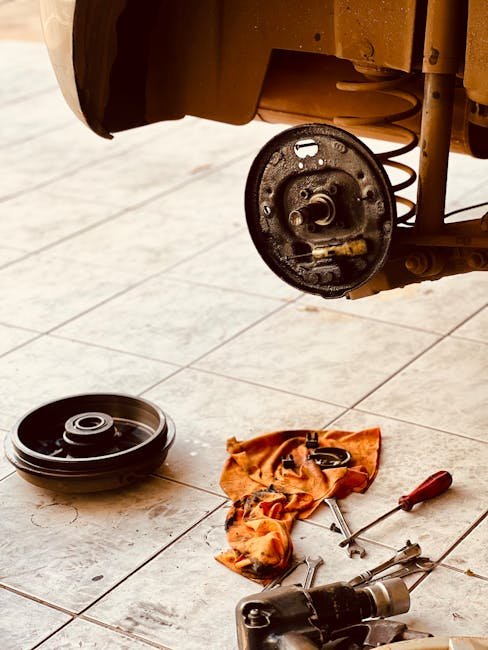
Discover the top 7 best methods to speed up press brake tooling setup. Quick-change systems, organization tips, and proven efficiency improvements.
[wp_image id=”3751″]
[wp_image id=”3752″]
[wp_image id=”3753″]
What’s the Lifespan of a CNC Press Brake This comprehensive guide covers everything you need to know about CNC press brake lifespan.
When dealing with CNC press brake lifespan, there are several important factors to consider for optimal safety and performance.
Following industry best practices ensures compliance and reduces operational risks. Always refer to manufacturer guidelines and local regulations.
Safety should always be the top priority when operating or selecting equipment. Proper training and adherence to safety protocols prevent accidents.
Many professionals have questions about CNC press brake lifespan. Understanding these common concerns helps make informed decisions.
Industry experts emphasize the importance of proper equipment selection, regular maintenance, and ongoing operator training for optimal results.
Regular maintenance extends equipment life and ensures reliable performance. Create a maintenance schedule and stick to it.
Understanding CNC press brake lifespan is essential for safe and efficient operations. By following the guidelines in this article, you can make informed decisions and maintain a safe working environment.
Safety requirements vary by equipment type and application. Always consult manufacturer guidelines and local regulations for specific requirements.
Pre-use inspections should be done before each shift. Comprehensive inspections should be performed monthly or according to manufacturer recommendations.
Operators should complete certified training programs specific to the equipment type. Refresher training should be conducted annually.
Weather limitations depend on equipment type. Always check manufacturer specifications and avoid operation in adverse conditions.
Stop operation immediately, tag the equipment as out of service, and contact qualified maintenance personnel.
Need expert advice on equipment selection or have questions about your specific application? Contact our team for personalized recommendations.
[wp_image id=”3747″]
[wp_image id=”3748″]
[wp_image id=”3749″]
Shearing Machine Safety: Guard Requirements Explained This comprehensive guide covers everything you need to know about shearing machine safety.
When dealing with shearing machine safety, there are several important factors to consider for optimal safety and performance.
Following industry best practices ensures compliance and reduces operational risks. Always refer to manufacturer guidelines and local regulations.
Safety should always be the top priority when operating or selecting equipment. Proper training and adherence to safety protocols prevent accidents.
Many professionals have questions about shearing machine safety. Understanding these common concerns helps make informed decisions.
Industry experts emphasize the importance of proper equipment selection, regular maintenance, and ongoing operator training for optimal results.
Regular maintenance extends equipment life and ensures reliable performance. Create a maintenance schedule and stick to it.
Understanding shearing machine safety is essential for safe and efficient operations. By following the guidelines in this article, you can make informed decisions and maintain a safe working environment.
Safety requirements vary by equipment type and application. Always consult manufacturer guidelines and local regulations for specific requirements.
Pre-use inspections should be done before each shift. Comprehensive inspections should be performed monthly or according to manufacturer recommendations.
Operators should complete certified training programs specific to the equipment type. Refresher training should be conducted annually.
Weather limitations depend on equipment type. Always check manufacturer specifications and avoid operation in adverse conditions.
Stop operation immediately, tag the equipment as out of service, and contact qualified maintenance personnel.
Need expert advice on equipment selection or have questions about your specific application? Contact our team for personalized recommendations.
[wp_image id=”3743″]
[wp_image id=”3744″]
[wp_image id=”3745″]
How to Fix Common Press Brake Error Messages This comprehensive guide covers everything you need to know about press brake error.
When dealing with press brake error, there are several important factors to consider for optimal safety and performance.
Following industry best practices ensures compliance and reduces operational risks. Always refer to manufacturer guidelines and local regulations.
Safety should always be the top priority when operating or selecting equipment. Proper training and adherence to safety protocols prevent accidents.
Many professionals have questions about press brake error. Understanding these common concerns helps make informed decisions.
Industry experts emphasize the importance of proper equipment selection, regular maintenance, and ongoing operator training for optimal results.
Regular maintenance extends equipment life and ensures reliable performance. Create a maintenance schedule and stick to it.
Understanding press brake error is essential for safe and efficient operations. By following the guidelines in this article, you can make informed decisions and maintain a safe working environment.
Safety requirements vary by equipment type and application. Always consult manufacturer guidelines and local regulations for specific requirements.
Pre-use inspections should be done before each shift. Comprehensive inspections should be performed monthly or according to manufacturer recommendations.
Operators should complete certified training programs specific to the equipment type. Refresher training should be conducted annually.
Weather limitations depend on equipment type. Always check manufacturer specifications and avoid operation in adverse conditions.
Stop operation immediately, tag the equipment as out of service, and contact qualified maintenance personnel.
Need expert advice on equipment selection or have questions about your specific application? Contact our team for personalized recommendations.
Used press brake buying guide. Inspection checklist, red flags, and questions to ask before purchasing.
Diagnose and fix shearing machine hydraulic issues. Common problems, causes, and step-by-step solutions.
Press brake die lifespan guide. Learn factors affecting tooling life, maintenance tips, and replacement indicators.
Incorrect bending radius causes material cracks and part failure. Understanding minimum bend radius and proper calculation prevents costly mistakes. This guide covers bend radius fundamentals and practical application.



Key concepts for successful bending.
Bend radius definitions:
Proper radius prevents:
Minimum inside bend radius (as multiple of material thickness T):
Grain affects bendability:
The K-factor determines bend development:
Calculate flat pattern length:
Alternative calculation method:
Prevent bending cracks:
Material state affects bendability:
Material will crack on the outside of the bend. Severity depends on how far below minimum and material ductility.
Yes, heating increases ductility and allows tighter bends. However, this changes material properties and requires post-treatment.
Yes, minimum radius is expressed as a multiple of thickness. Thicker material requires proportionally larger radius.
Grain is often visible on aluminum and some steels. If uncertain, check with supplier or bend test samples in both directions.
Proper bend radius calculation prevents cracks and ensures part quality. Know your material’s minimum radius, consider grain direction, and use correct K-factor for flat pattern development. When in doubt, test with scrap material first.
Need press brake equipment? We offer CNC press brakes with tooling for all your metal bending applications.
Accurate back gauge calibration is critical for precise press brake bends. Proper calibration ensures consistent part dimensions and reduces scrap. This guide covers calibration procedures and troubleshooting tips.
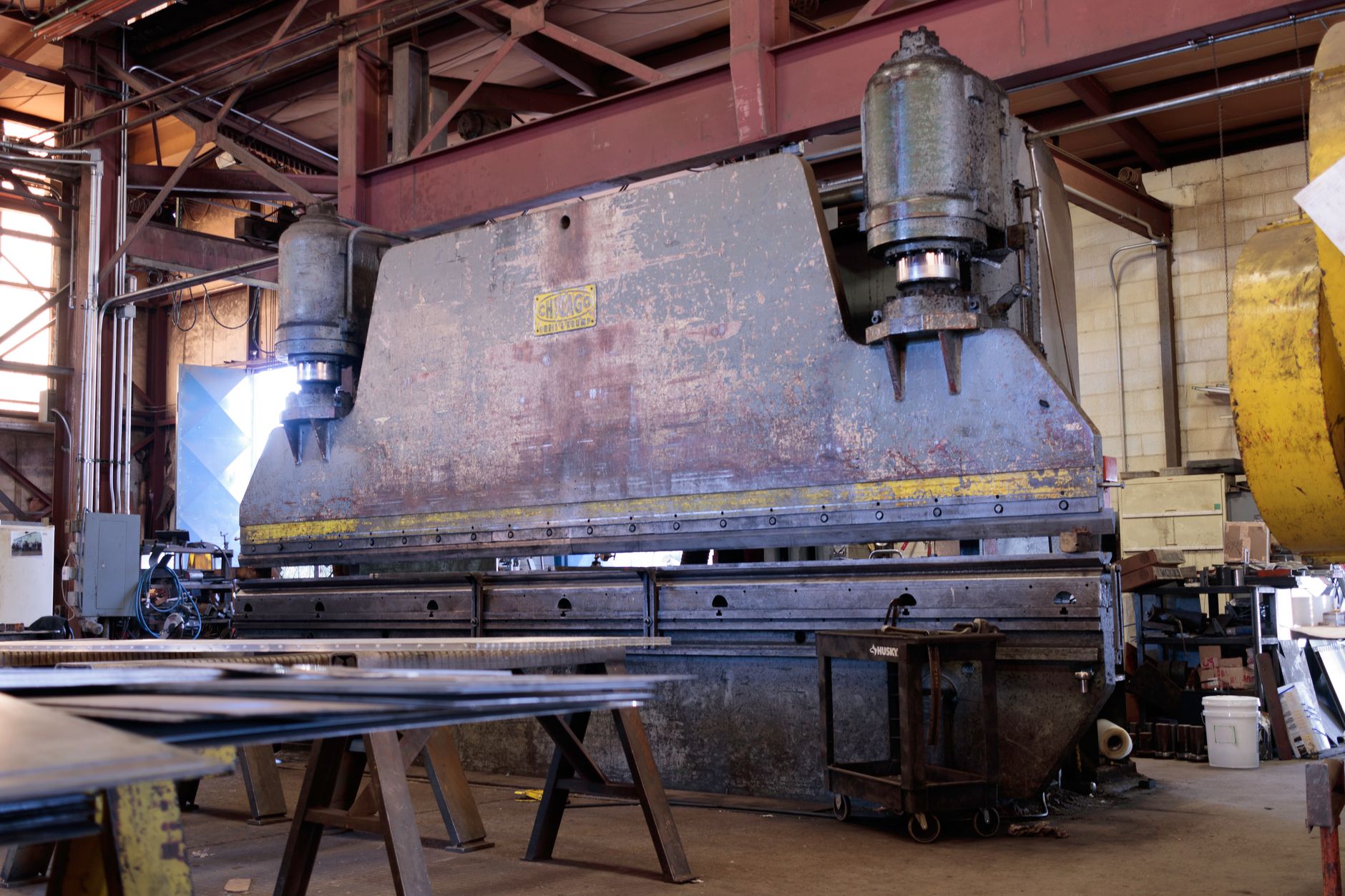
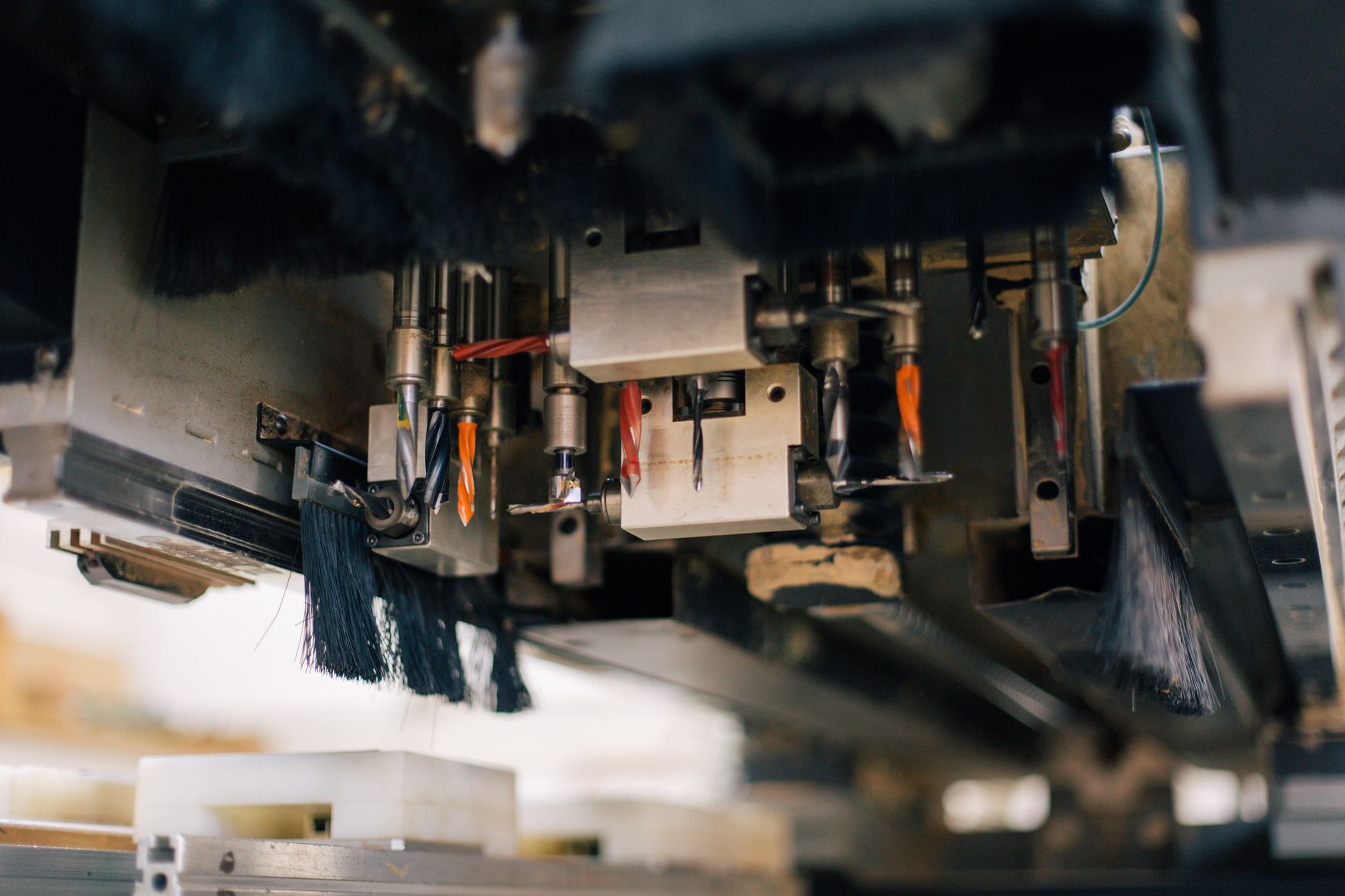
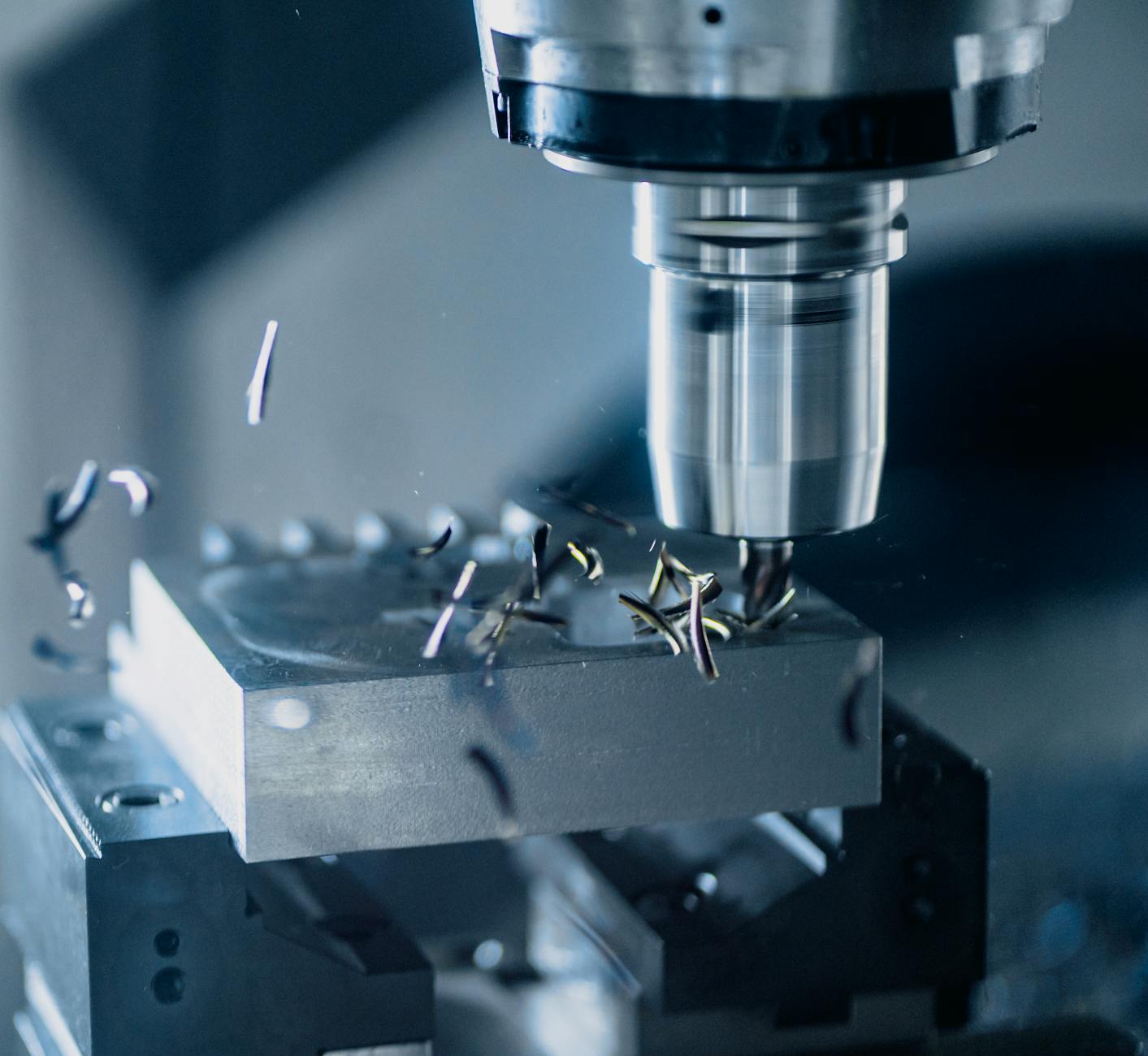
Understanding how the back gauge works.
The back gauge:
Key back gauge elements:
Gather these items:
Before calibrating:
Establish reference point:
Calibrate each axis:
Ensure parallel positioning:
Issues and solutions:
Professional help needed for:
Monthly for high-use machines, quarterly for moderate use. Also calibrate after any maintenance or if part dimensions become inconsistent.
Well-calibrated back gauges achieve ±0.01mm (±0.0004″) accuracy. Older machines may have slightly lower precision.
Basic calibration is possible with a good ruler. Precision calibration requires calibrated measurement equipment.
Consider material variation, springback changes, or tooling wear. Back gauge is only one factor in bend accuracy.
Regular back gauge calibration maintains press brake accuracy and reduces scrap. Follow manufacturer procedures, use proper tools, and document calibration results. When in doubt, consult your machine manual or call qualified service.
Need press brake support? We provide CNC press brakes with full calibration support and training.