Blog

March 28, 2026

Choosing between servo press machines and traditional mechanical/hydraulic presses is a critical decision for metal forming operations. This comprehensive comparison examines performance, cost, and ROI factors to help you make an informed choice.

Understanding the Technology Difference

Servo Press Machines

Servo presses use electric servo motors to drive the slide motion:

  • Direct control of slide position, velocity, and tonnage
  • Programmable stroke profiles for different applications
  • No flywheel or clutch/brake system required
  • Energy consumed only during actual pressing

Traditional Mechanical Presses

Mechanical presses use a constant-speed motor with flywheel:

  • Fixed stroke length and motion profile
  • Continuous energy consumption even when idle
  • Clutch and brake systems for engagement
  • Proven technology with long service history

Traditional Hydraulic Presses

Hydraulic presses use fluid power for slide movement:

  • Full tonnage throughout the stroke
  • Variable speed control possible
  • Slower cycle times compared to mechanical
  • Hydraulic fluid maintenance requirements

Performance Comparison

Factor Servo Press Mechanical Press Hydraulic Press
Speed (SPM) Up to 600 Up to 800 Up to 100
Stroke Control Fully Programmable Fixed Adjustable
Energy Efficiency Excellent (30-50% savings) Good Fair
Noise Level Low (70-75 dB) High (85-95 dB) Moderate (75-85 dB)
Maintenance Low Moderate High
Initial Cost Higher Lower Moderate
Precision ±0.01mm ±0.05mm ±0.02mm

Key Advantages of Servo Press Technology

1. Flexible Stroke Programming

Servo presses allow complete customization of slide motion:

  • Slow approach for material positioning
  • Fast pressing for productivity
  • Dwell time at bottom of stroke
  • Controlled return speed

This flexibility optimizes the process for different materials and part geometries.

2. Energy Efficiency

Servo presses deliver significant energy savings:

  • No continuous motor running
  • Energy recovery during deceleration
  • Power proportional to actual work performed
  • Typical savings: 30-50% vs. mechanical presses

3. Improved Part Quality

Precise control translates to better parts:

  • Consistent tonnage throughout production run
  • Reduced springback with optimized pressing profiles
  • Less material thinning with controlled forming speeds
  • Better surface finish with reduced vibration

4. Reduced Maintenance

Fewer wearing components mean lower maintenance:

  • No clutch or brake linings to replace
  • No hydraulic fluid changes or leak repairs
  • Simplified lubrication requirements
  • Self-diagnostic systems for predictive maintenance

When to Choose Traditional Presses

Traditional presses still have their place:

Choose Mechanical Press When:

  • High-speed production (>600 SPM) is critical
  • Budget constraints limit initial investment
  • Simple, repetitive stamping operations
  • Existing infrastructure supports mechanical presses

Choose Hydraulic Press When:

  • Full tonnage throughout stroke is required
  • Deep drawing or forming applications
  • Variable tonnage needs within same press
  • Slower speeds are acceptable

ROI Analysis: Servo vs. Traditional

5-Year Total Cost Example (100T Press)

Servo Press:

  • Purchase Price: $85,000
  • Energy Costs (5 years): $18,000
  • Maintenance (5 years): $8,000
  • Total: $111,000

Mechanical Press:

  • Purchase Price: $65,000
  • Energy Costs (5 years): $35,000
  • Maintenance (5 years): $15,000
  • Total: $115,000

Break-even point: Approximately 2.5-3 years

LAIFU Servo Press Offerings

LAIFU offers a comprehensive range of servo press machines:

Servo C Frame Presses (3T-50T)

  • Ideal for precision stamping and assembly
  • Compact footprint for space-constrained facilities
  • Quick die change capabilities

Servo High Speed Presses (60T-200T)

  • Optimized for progressive die applications
  • High SPM with precision feeding
  • Integrated automation interfaces

Application Success Stories

Automotive Components Manufacturer

A Tier 1 automotive supplier replaced 5 mechanical presses with LAIFU servo presses:

  • Energy costs reduced by 42%
  • Part quality improved (reduced scrap by 15%)
  • Changeover time reduced by 50%
  • ROI achieved in 28 months

Electronics Component Producer

An electronics manufacturer implemented servo presses for connector production:

  • Precision improved to ±0.01mm
  • Production speed increased 25%
  • Noise levels reduced significantly
  • Zero unplanned downtime in 18 months

Conclusion

Servo press technology offers compelling advantages in flexibility, efficiency, and total cost of ownership. While the initial investment is higher, the operational savings and quality improvements typically deliver positive ROI within 2-3 years.

LAIFU’s 2026 servo press lineup combines proven reliability with cutting-edge technology. Contact our team for application evaluation, ROI analysis, and competitive pricing. We serve customers across Southeast Asia, Middle East, South America, Africa, and Eastern Europe.


March 28, 2026

Modern press operations demand efficient, reliable material handling. LAIFU’s 2026 smart press feeding systems integrate advanced automation technology to maximize productivity, reduce waste, and improve safety in metal stamping operations.

Press Feeding System Overview

A complete press feeding system typically includes:

  • Decoiler/Uncoiler: Holds and feeds coil stock
  • Straightener: Removes coil curvature and prepares material
  • Feeder: Advances material to precise lengths
  • Guidance System: Ensures proper material alignment
  • Control System: Coordinates all components with press

2026 Technology Innovations

1. Servo-Driven Feeders

Next-generation servo feeders deliver exceptional precision:

  • Feeding accuracy: ±0.05mm or better
  • Maximum feeding speed: 100 meters/minute
  • Programmable feeding patterns for complex parts
  • Quick setup with recipe storage

2. Intelligent Coil Handling

Automated coil management reduces manual labor:

  • Hydraulic coil cars for easy loading
  • Automatic coil centering and clamping
  • End-of-coil detection and threading assistance
  • Coil weight and width monitoring

3. Advanced Straightening Technology

Precision straightening ensures flat, consistent material:

  • Computer-controlled roller gap adjustment
  • Material thickness auto-compensation
  • Digital display of straightening parameters
  • Quick-change roller systems for different materials

4. IoT Connectivity

Smart systems connect to factory networks:

  • Real-time production monitoring
  • Remote diagnostics and troubleshooting
  • Predictive maintenance alerts
  • Integration with MES/ERP systems

Feeding System Types

Roller Feeders

Most common type for general stamping applications:

  • Suitable for materials 0.1-6.0mm thickness
  • Width range: 50-2000mm
  • High speed capability (up to 600 SPM)
  • Cost-effective for standard applications

Gripper Feeders

Precision feeding for delicate or pre-finished materials:

  • No surface marking or scratching
  • Ideal for coated, polished, or sensitive materials
  • Excellent accuracy (±0.02mm)
  • Slower speeds but superior quality

NCK Feeders (Numerical Control)

Programmable feeders for complex applications:

  • Multiple feeding patterns and sequences
  • Variable feed lengths within same program
  • Integration with progressive dies
  • Recipe storage for quick changeovers

System Integration Benefits

Increased Productivity

  • Continuous operation without manual intervention
  • Faster cycle times with optimized feeding
  • Reduced setup time between jobs
  • 24/7 operation capability

Improved Quality

  • Consistent material positioning
  • Reduced material waste from misfeeds
  • Better part quality with precise feeding
  • Less scrap and rework

Enhanced Safety

  • Reduced operator interaction with press area
  • Automatic safety interlocks
  • Light curtains and guarding systems
  • Ergonomic material handling

Cost Reduction

  • Lower labor costs (one operator manages multiple lines)
  • Reduced material waste
  • Less downtime from feeding errors
  • Optimized material utilization

LAIFU Feeding System Offerings

Standard Feeding Lines (60T-200T Presses)

  • Decoiler capacity: Up to 10 tons
  • Material width: 50-1300mm
  • Material thickness: 0.3-4.5mm
  • Feeding accuracy: ±0.05mm

Heavy-Duty Feeding Lines (200T-500T Presses)

  • Decoiler capacity: Up to 30 tons
  • Material width: 100-2000mm
  • Material thickness: 1.0-12.0mm
  • Feeding accuracy: ±0.08mm

High-Speed Feeding Lines (Precision Applications)

  • Maximum speed: 100 meters/minute
  • Feeding accuracy: ±0.02mm
  • Servo-driven all components
  • Ideal for electronics and automotive components

Selection Considerations

When choosing a feeding system, consider:

Material Specifications

  • Coil weight and dimensions
  • Material thickness range
  • Material width range
  • Material type (steel, aluminum, copper, etc.)

Production Requirements

  • Required production speed (SPM)
  • Feed length requirements
  • Accuracy requirements
  • Changeover frequency

Integration Needs

  • Press compatibility
  • Factory automation level
  • Data collection requirements
  • Future expansion plans

Installation and Support

LAIFU provides comprehensive support:

  • Site layout consultation and planning
  • Professional installation and commissioning
  • Operator and maintenance training
  • Spare parts inventory support
  • Technical support hotline
  • Regular maintenance service programs

Conclusion

Smart press feeding systems are essential for modern, efficient metal stamping operations. LAIFU’s 2026 feeding system lineup combines precision, reliability, and intelligent features to maximize your press productivity.

Contact our team for system evaluation, layout planning, and competitive pricing. We serve customers across Southeast Asia, Middle East, South America, Africa, and Eastern Europe with localized support and fast delivery.


March 28, 2026

LAIFU Press Machine is proud to announce significant technology upgrades across our 2026 product line. These enhancements reflect our commitment to innovation, efficiency, and customer value in the metal forming industry.

Overview of 2026 Technology Upgrades

Our 2026 press machine series incorporates cutting-edge technologies that improve performance, safety, and productivity:

  • Advanced servo drive systems for precise control
  • Enhanced HMI (Human Machine Interface) with touchscreen operation
  • IoT connectivity for remote monitoring and diagnostics
  • Improved energy efficiency reducing operating costs by up to 30%
  • Modular design for easier maintenance and upgrades

Servo Press Technology Enhancements

Our servo press machines now feature next-generation servo motors and drives:

  • Precision Control: ±0.01mm repeatability for high-accuracy stamping
  • Programmable Slide Motion: Customizable stroke profiles for different materials
  • Energy Recovery: Regenerative braking captures energy during deceleration
  • Quiet Operation: Reduced noise levels (below 75 dB) for better working environment

Smart Manufacturing Integration

The 2026 series is designed for Industry 4.0 integration:

  • Built-in OPC-UA and MQTT protocols for factory network connectivity
  • Real-time production data monitoring and reporting
  • Predictive maintenance alerts based on sensor data analysis
  • Remote troubleshooting capabilities reducing downtime
  • Integration with MES (Manufacturing Execution Systems)

Safety System Improvements

Operator safety remains our top priority. New safety features include:

  • Type 4 safety light curtains with reduced muting zones
  • Dual-channel safety monitoring with SIL3/PLe certification
  • Emergency stop systems with reduced stopping time
  • Guard locking systems with solenoid monitoring
  • Ergonomic operator interfaces reducing fatigue

Product Line Updates by Category

C Frame Press Machines (3T-50T)

Our compact C frame presses now feature:

  • Wider throat depth for larger workpieces
  • Enhanced rigidity for improved accuracy
  • Quick die change systems reducing setup time by 60%
  • Optional automatic lubrication systems

H Frame Hydraulic Presses (100T-500T)

Heavy-duty H frame presses receive upgrades:

  • Higher pressure ratings (up to 350 bar)
  • Faster cycle times with optimized hydraulic circuits
  • Digital pressure and position feedback
  • Multi-stage pressing programs

High Speed Press Machines (60T-200T)

High-speed models achieve new performance levels:

  • Maximum speeds up to 600 SPM (strokes per minute)
  • Enhanced balancing systems reducing vibration
  • Precision guidance systems for accurate feeding
  • Integrated scrap cutting and removal

Automation Compatibility

All 2026 models are designed for seamless automation integration:

  • Standard interfaces for robotic loaders/unloaders
  • Compatibility with coil feeding lines and straighteners
  • Support for transfer systems and progressive die applications
  • Vision system integration for quality inspection

Energy Efficiency Highlights

Sustainability meets performance in our latest designs:

  • Servo-driven models consume 30-50% less energy than conventional presses
  • Variable frequency drives optimize motor speed for actual load
  • Standby power reduction modes
  • LED lighting systems for work area illumination

Quality and Reliability

LAIFU maintains strict quality standards:

  • ISO 9001:2015 certified manufacturing processes
  • 100% factory testing before shipment
  • CE certification for European markets
  • 2-year standard warranty with extended options

Technical Support and Training

We support our customers with comprehensive services:

  • On-site installation and commissioning
  • Operator and maintenance training programs
  • 24/7 technical support hotline
  • Spare parts availability with fast delivery
  • Regular software updates for connected machines

Conclusion

The LAIFU 2026 press machine series represents a significant leap forward in metal forming technology. Whether you need a compact C frame press for light duty work or a high-speed press for mass production, our upgraded lineup delivers exceptional performance, reliability, and value.

Contact our sales team for detailed specifications, pricing, and demonstration opportunities. We serve customers across Southeast Asia, Middle East, South America, Africa, and Eastern Europe with localized support and competitive terms.


March 27, 2026

High-mix, low-volume production has traditionally challenged press shop profitability. Long setup times, complex scheduling, and inefficient changeovers erode margins. This case study reveals how a family-owned job shop transformed their business model through strategic equipment investment.

Client Background

Industry: Contract Metal Stamping (Job Shop)

Location: Midwest United States

Company Size: 65 employees

Business Model: High-mix, low-volume production (50-5000 parts per run)

Customer Base: Agricultural equipment, construction machinery, industrial OEMs

The Challenge

Profitability Pressure

  • Average setup time: 3.5 hours consuming 40% of available production time
  • Minimum order quantities forcing customers to order excess inventory
  • Inability to quote competitively on small batch opportunities
  • Margin erosion on runs under 1,000 pieces

Operational Complexity

  • 150+ active part numbers requiring frequent changeovers
  • Die storage and retrieval consuming significant floor space
  • Scheduling nightmares with constant priority changes
  • Skilled setup technicians approaching retirement with no replacements

Market Position

  • Losing bids to low-cost domestic competitors
  • Customers consolidating suppliers seeking faster response
  • Inability to serve emerging just-in-time delivery requirements
  • Reputation as “high-cost” provider limiting growth opportunities

The Solution

We recommended a complete transformation centered on quick die change technology and flexible automation:

Primary Equipment: LFP-QDC200T Press with Quick Die Change

  • Capacity: 200 metric tons
  • Quick Die Change: Motorized clamping, automatic die height adjustment
  • Setup Time: Target under 10 minutes for complete changeover
  • Flexibility: Accommodates dies from 100mm to 800mm shut height

Supporting Systems

  • Die Storage Cart: Organized storage with quick-access positioning
  • Centralized Lubrication: Automatic die spray reducing setup steps
  • Part Handling: Programmable feeder accommodating multiple strip layouts
  • Tool Management Software: Digital tracking of die location and maintenance

Process Redesign

  • SMED (Single Minute Exchange of Die) methodology implementation
  • Standardized die components reducing variety
  • Preset tooling eliminating adjustment during changeover
  • Visual management systems for setup verification

Implementation Process

Phase 1: Foundation (Weeks 1-4)

  • Equipment installation and commissioning
  • Die modification for quick-change compatibility
  • Setup technician training on QDC system
  • Development of standardized work procedures

Phase 2: Optimization (Weeks 5-8)

  • SMED event converting internal to external setup steps
  • Video analysis identifying improvement opportunities
  • Die storage reorganization for optimal flow
  • Setup time reduction competitions driving engagement

Phase 3: Scale (Weeks 9-12)

  • Additional dies converted to quick-change standard
  • Cross-training all press operators on setup procedures
  • Integration with quoting system for accurate small-batch pricing
  • Customer communication on new capabilities and lead times

Results Achieved

Setup Time Transformation

MetricBeforeAfterImprovement
Average Setup Time210 minutes8 minutes-96%
Setup Time Range120-360 min5-15 minPredictable
Setup VariabilityHigh (operator dependent)Low (standardized)Consistent

Production Efficiency

MetricBeforeAfterImprovement
Available Production Time60%92%+32 points
Changeovers per Shift2-312-15+500%
Equipment Utilization58%87%+29 points
On-Time Delivery82%98%+16 points

Business Transformation

MetricBeforeAfterChange
Average Order Size2,500 parts800 parts-68% (more flexibility)
Number of Active Customers2847+68%
Quote Win Rate32%58%+26 points
Gross Margin (small batches)12%34%+22 points
Annual Revenue$8.2M$14.6M+78%

Financial Impact

  • Revenue Growth: +$6.4 million annually
  • Margin Improvement: +$1.8 million annually
  • Productivity Gain: Equivalent to 8 additional press operators
  • ROI: Full investment recovered in 11 months

Strategic Benefits

Market Positioning

  • Repositioned from “high-cost” to “highly responsive” provider
  • Won contracts requiring 48-hour turnaround impossible previously
  • Became preferred supplier for prototype and bridge production
  • Enabled just-in-time delivery programs with key customers

Operational Flexibility

  • Ability to produce economically viable batches as small as 50 pieces
  • Respond to rush orders without disrupting scheduled production
  • Test new products with customers before committing to large volumes
  • Balance production load across multiple small jobs efficiently

Workforce Development

  • Setup skills democratized—any operator can perform changeovers
  • Reduced dependency on scarce skilled setup technicians
  • Increased job satisfaction through variety and autonomy
  • Attracted younger workers interested in advanced manufacturing

Client Testimonial

“This transformation saved our business. We were being squeezed from both sides—low-cost competitors on price and larger shops on capability. The quick die change system let us play a completely different game. Now we thrive on the jobs others can’t handle profitably. Our customers love the flexibility, and our team loves the variety. Best investment we’ve ever made.”

— Owner & President, Third-Generation Family Business

Key Success Factors

  • Complete System Approach: Equipment + process + training, not just hardware
  • SMED Methodology: Systematic setup time reduction discipline
  • Employee Engagement: Operators involved in improvement process
  • Customer Communication: Marketing new capabilities to existing and prospective customers
  • Continuous Improvement: Ongoing refinement of setup procedures

Lessons for Other Job Shops

  • Quick die change technology is accessible to small and medium shops
  • Setup time reduction creates strategic advantage, not just efficiency
  • Small batch profitability requires system-wide transformation
  • Flexibility is increasingly valued by customers over lowest price
  • Investment in people is as critical as investment in equipment

Next Chapter

The client has since added a second QDC-equipped press and is implementing lights-out production for overnight runs of established parts. They are also exploring additive manufacturing integration for rapid die development.

Transform Your Job Shop

High-mix, low-volume production can be highly profitable with the right approach. Contact our team to discuss how quick die change technology and process optimization can transform your business model.


March 27, 2026

Precision, traceability, and zero-defect manufacturing are non-negotiable in aerospace components production. This case study examines how a tier-1 aerospace supplier achieved unprecedented quality levels and regulatory compliance through advanced servo press technology.

Client Profile

Industry: Aerospace Components Manufacturing

Location: North America

Certifications: AS9100D, NADCAP, ISO 9001:2015

Specialization: Flight-critical structural components, engine parts, landing gear components

The client supplies major aerospace OEMs including Boeing, Airbus, and Lockheed Martin, where quality failures carry catastrophic consequences.

The Challenge

Quality Compliance Pressure

  • Increasing OEM quality requirements exceeding current capabilities
  • Manual documentation processes prone to errors
  • Limited traceability for root cause analysis
  • Audit findings requiring corrective actions

Technical Limitations

  • Conventional hydraulic presses lacking process control precision
  • Inability to monitor and record forming parameters in real-time
  • Part-to-part variation exceeding tight aerospace tolerances
  • Complex forming operations requiring multiple press stages

Business Impact

  • Risk of losing contracts worth $12 million annually
  • Extended lead times affecting customer relationships
  • High inspection costs (35% of production labor)
  • Limited ability to quote on new complex component programs

The Solution

We proposed a comprehensive solution addressing quality, traceability, and flexibility requirements:

Primary Equipment: LFP-SV500T Servo Press

  • Capacity: 500 metric tons
  • Control: Full servo drive with programmable slide motion
  • Precision: ±0.01mm repeatability
  • Monitoring: Integrated tonnage monitoring with 1000Hz sampling

Quality System Integration

  • In-die sensors for process parameter monitoring
  • 100% automated dimensional inspection
  • Real-time SPC (Statistical Process Control)
  • Complete electronic travelers with full traceability

Data Management Platform

  • Press data integrated with MES (Manufacturing Execution System)
  • Cloud-based data storage with 15-year retention
  • Instant retrieval for customer audits and investigations
  • Automated quality certificate generation

Implementation Approach

Validation Protocol

  • IQ (Installation Qualification): Equipment verification against specifications
  • OQ (Operational Qualification): Process parameter validation
  • PQ (Performance Qualification): Production run validation with customer witness
  • PPAP: Production Part Approval Process documentation

Timeline

  • Month 1: Equipment manufacturing and factory acceptance test
  • Month 2: Installation and integration
  • Month 3: Validation and qualification runs
  • Month 4: Customer PPAP approval and production release

Results Achieved

Quality Performance

MetricBeforeAfterImprovement
First Pass Yield94.2%99.7%+5.5 points
CPK Value1.252.08+66%
Dimensional Variation±0.08mm±0.02mm-75%
Customer Rejects3.2 PPM0 PPM100% elimination

Traceability & Compliance

  • 100% electronic records for every part produced
  • Complete parameter history (tonnage, position, speed, time)
  • Audit preparation time reduced from 3 days to 2 hours
  • Zero non-conformances in AS9100 surveillance audit

Operational Efficiency

MetricBeforeAfterImprovement
Inspection Labor35% of production8% of production-77%
Setup Time90 minutes22 minutes-76%
Energy ConsumptionBaseline-42%Significant reduction
OEE71%91%+20 points

Business Outcomes

  • Retained existing $12M contracts with improved margins
  • Won 3 new component programs worth $8.5M annually
  • Reduced quality-related costs by $680,000 per year
  • Enhanced reputation as precision manufacturing partner

Technical Highlights

Servo Press Advantages

  • Programmable Motion: Optimized slide profile for each part geometry
  • Dwell Control: Precise bottom-dead-center dwell for material forming
  • Tonnage Monitoring: Real-time detection of material variation
  • Energy Efficiency: Power consumed only during actual forming

Quality System Features

  • Automatic part rejection when parameters exceed limits
  • Trend analysis predicting tool wear before quality impact
  • Electronic signatures for operator and inspector accountability
  • Integration with customer quality portals for direct data sharing

Client Testimonial

“In aerospace, there’s no room for compromise. The servo press system gave us capabilities we simply couldn’t achieve with conventional equipment. The traceability features transformed our audit process—what used to take days now takes hours. Most importantly, we have complete confidence in every part we ship. This investment protected our business and positioned us for growth.”

— VP of Operations, Aerospace Division

Key Success Factors

  • Technology Match: Servo press capabilities aligned with aerospace requirements
  • System Integration: Seamless connection to existing quality management systems
  • Validation Rigor: Comprehensive IQ/OQ/PQ ensuring performance confidence
  • Training Excellence: Operators and quality staff fully certified on new systems
  • Partnership Approach: Ongoing support and continuous improvement collaboration

Future Expansion

Based on this success, the client has approved capital investment for two additional servo press lines and is exploring automation integration for lights-out production of high-volume components.

Conclusion

This case demonstrates that advanced press technology, when properly integrated with quality systems and supported by comprehensive training, delivers transformative results in demanding aerospace applications. The combination of precision, traceability, and flexibility creates sustainable competitive advantage.


March 27, 2026

When a leading automotive components manufacturer faced capacity constraints and quality inconsistencies, they turned to our advanced press machine solutions. This case study reveals how strategic equipment investment transformed their production capabilities and bottom line.

Client Background

Industry: Automotive Components Manufacturing

Location: Eastern Europe

Company Size: 450 employees

Annual Revenue: €85 million

The client specializes in precision stamped components for European automotive OEMs, supplying brake system parts, transmission components, and structural elements.

The Challenge

In early 2024, the manufacturer faced critical operational challenges:

Production Bottlenecks

  • Aging press equipment (15+ years) causing frequent breakdowns
  • Maximum speed of 45 strokes per minute limiting output
  • Setup times exceeding 4 hours for die changes
  • Inability to meet increasing OEM demand forecasts

Quality Issues

  • Dimensional inconsistencies in high-volume runs
  • Scrap rates averaging 4.2% (industry benchmark: 1.5%)
  • Customer complaints increasing by 35% year-over-year
  • Risk of losing preferred supplier status

Operational Costs

  • Maintenance costs escalating to 18% of equipment value annually
  • Energy consumption 40% higher than modern equivalents
  • Overtime labor costs due to production catch-up
  • Downtime losses averaging €12,000 per week

The Solution

After comprehensive needs analysis, we recommended a phased modernization approach:

Phase 1: High-Volume Production Line

  • Equipment: LFP-400T High-Speed Precision Press
  • Capacity: 120 strokes per minute
  • Features: Servo-driven motion control, automatic die clamping
  • Integration: Robotic material handling system

Phase 2: Flexible Manufacturing Cell

  • Equipment: LFP-250T Servo Press with Quick Die Change
  • Capacity: 80 strokes per minute
  • Features: Programmable slide motion, tonnage monitoring
  • Setup Time: Under 30 minutes for complete die change

Phase 3: Quality Control Integration

  • In-die sensors for real-time quality monitoring
  • Automated vision inspection system
  • Statistical process control (SPC) software integration
  • Predictive maintenance monitoring platform

Implementation Process

Timeline

  • Week 1-2: Site preparation and foundation work
  • Week 3-4: Equipment installation and mechanical alignment
  • Week 5: Electrical integration and control system setup
  • Week 6: Commissioning and test runs
  • Week 7-8: Operator training and production ramp-up

Training Program

  • 40 hours of hands-on operator training
  • 24 hours of maintenance technician certification
  • 16 hours of programming and setup specialist training
  • Ongoing remote support and knowledge base access

Results Achieved

Six months after full implementation, the results exceeded all projections:

Production Performance

MetricBeforeAfterImprovement
Daily Output8,500 parts26,000 parts+206%
Line Speed45 SPM110 SPM+144%
Setup Time4 hours25 minutes-90%
OEE62%89%+27 points

Quality Improvements

  • Scrap rate reduced from 4.2% to 0.8%
  • Customer complaints eliminated (zero in 6 months)
  • CPK values improved from 1.1 to 1.67
  • Regained preferred supplier status with key OEM

Financial Impact

CategoryAnnual Impact
Increased Revenue€4.2 million
Scrap Reduction€380,000
Energy Savings€145,000
Maintenance Reduction€220,000
Downtime Elimination€624,000
Total Annual Benefit€5.57 million

ROI Achievement: Full equipment investment recovered in 8.5 months

Client Testimonial

“The transformation has been remarkable. Not only did we solve our capacity problems, but we also became a more competitive supplier. The quick die change capability allows us to handle smaller batch sizes profitably, opening new market opportunities. The partnership with Laifu extended far beyond equipment supply—their team became true partners in our success.”

— Plant Director, Automotive Components Division

Key Success Factors

  • Comprehensive Analysis: Understanding complete production workflow, not just equipment specs
  • Phased Implementation: Minimizing disruption to ongoing operations
  • Training Investment: Ensuring operators and technicians mastered new technology
  • Ongoing Support: Remote monitoring and rapid response service network
  • Continuous Improvement: Regular performance reviews and optimization recommendations

Lessons Learned

This project reinforced several important principles:

  • Modern press technology delivers value far beyond simple speed increases
  • Quick die change capabilities transform production flexibility
  • Integrated quality monitoring prevents defects rather than detecting them
  • Proper training maximizes equipment utilization and lifespan
  • Partnership approach yields better outcomes than transactional equipment sales

Next Steps

Based on this success, the client has initiated Phase 2 of their modernization program, ordering two additional press lines for their second facility. They are also exploring automation integration for lights-out manufacturing capabilities.

Ready to Transform Your Production?

Every manufacturing challenge is unique, but the principles that drove this success apply universally. Contact our team for a comprehensive production assessment and discover how modern press technology can transform your operations.


March 26, 2026

Introduction

Automation is transforming press machine operations worldwide. But with automation systems costing $50,000 to $500,000+, manufacturers need to carefully evaluate whether the investment delivers sufficient return. This comprehensive analysis examines the true cost-benefit of press machine automation.

Automation System Types and Costs

Decoiler and Straightener Systems

System Type Material Width Price Range Installation
Basic Decoiler Up to 500mm $8,000-15,000 $2,000-4,000
Decoiler + Straightener 500-1000mm $20,000-40,000 $5,000-8,000
3-in-1 System 1000-1600mm $40,000-80,000 $10,000-15,000

Feeding Systems

Feeder Type Speed (m/min) Accuracy Price Range
Roll Feeder (Mechanical) 10-30 ±0.5mm $10,000-20,000
Roll Feeder (Servo) 30-80 ±0.05mm $25,000-50,000
Gripper Feeder 20-60 ±0.03mm $40,000-80,000
NC Servo Feeder 40-100 ±0.02mm $30,000-60,000

Transfer Systems

System Type Stations Speed (SPM) Price Range
2-Axis Transfer 2-6 15-40 $80,000-150,000
3-Axis Transfer 4-10 20-60 $150,000-300,000
Robotic Transfer Flexible 10-30 $200,000-500,000

Complete Automation Line

Configuration Components Total Investment
Basic Line Decoiler + Feeder + Press $100,000-200,000
Medium Line 3-in-1 + Servo Feeder + Press + Stacker $250,000-500,000
Advanced Line Full transfer system + Vision inspection + Packaging $500,000-1,500,000

Labor Cost Savings Analysis

Manual vs Automated Operation

Operation Type Manual Operators Automated Operators Reduction
Basic Stamping 2-3 per shift 1 per shift 50-67%
Progressive Die 2 per shift 0.5 per shift 75%
Transfer Press 3-4 per shift 1 per shift 67-75%
Multi-Press Cell 1 per press 1 per 3-4 presses 67-75%

Annual Labor Cost Savings

Assumptions:

  • Operator salary: $50,000/year
  • Benefits: 30% ($15,000)
  • Total cost per operator: $65,000/year
  • 2 shifts operation
Automation Level Labor Reduction Annual Savings 5-Year Savings
Basic Feeder 1 operator $65,000 $325,000
Servo Feed Line 2 operators $130,000 $650,000
Transfer System 3 operators $195,000 $975,000
Full Automation Cell 4 operators $260,000 $1,300,000

Productivity Gains

Production Speed Comparison

Metric Manual Semi-Auto Full Auto
Stroke Rate 20-40 SPM 40-80 SPM 80-200 SPM
Utilization Rate 60-70% 75-85% 90-95%
Setup Time 60-120 min 30-60 min 10-20 min
Material Change 30-45 min 15-20 min 5-10 min

Annual Production Increase

Automation Level Parts/Year Increase vs Manual Additional Revenue (at $0.50/part)
Manual (Baseline) 2,000,000
Semi-Auto Feeder 3,500,000 +75% $750,000
Servo Feed Line 5,000,000 +150% $1,500,000
Transfer System 7,000,000 +250% $2,500,000

Quality Improvement Benefits

Defect Rate Comparison

Operation Type Manual Defect Rate Automated Defect Rate Improvement
Simple Stamping 3-5% 0.5-1% 75-80%
Progressive Die 2-4% 0.3-0.8% 80-85%
Precision Stamping 4-6% 0.5-1.5% 70-80%
Deep Drawing 5-8% 1-2% 75-80%

Quality Cost Savings

Assumptions:

  • Annual production: 5,000,000 parts
  • Average part value: $2.00
  • Rework cost: 50% of part value
  • Scrap cost: 100% of part value + disposal
Scenario Defect Rate Annual Defects Quality Cost
Manual (4% defect) 4% 200,000 $300,000
Automated (0.8% defect) 0.8% 40,000 $60,000
Annual Savings 160,000 $240,000

Material Utilization Improvement

Nesting Efficiency

Feeding Type Material Utilization Scrap Rate Savings vs Manual
Manual Feeding 65-75% 25-35% Baseline
Roll Feeder 75-82% 18-25% +10%
Servo Feeder 82-88% 12-18% +15%
Optimized Nesting + Auto 88-94% 6-12% +20%

Material Cost Savings Example

Assumptions:

  • Annual material cost: $1,000,000
  • Manual utilization: 70%
  • Automated utilization: 85%
Metric Manual Automated Savings
Material Utilization 70% 85% +15%
Effective Output $700,000 $850,000 $150,000
To produce same output $1,000,000 $823,529 $176,471

Annual Material Savings: $176,471 (17.6%)

Safety and Compliance Benefits

Workplace Injury Reduction

Injury Type Manual Frequency Automated Frequency Reduction
Hand/Finger Injuries 2-5 per year 0-1 per year 80-100%
Back Strain 3-8 per year 0-2 per year 75-100%
Fatigue-Related 5-10 per year 1-3 per year 70-80%

Insurance and Compliance Savings

  • Workers’ Compensation: 20-40% reduction in premiums
  • OSHA Compliance: Reduced violation risk
  • Liability Insurance: 10-20% reduction
  • Average Annual Savings: $15,000-50,000

Complete ROI Analysis

Case Study: Medium-Size Stamping Operation

Current State (Manual):

  • 2 presses, 6 operators (2 shifts)
  • Production: 4,000,000 parts/year
  • Defect rate: 4%
  • Material utilization: 72%

Proposed Automation:

  • 2 servo feeders + 1 transfer system
  • Investment: $350,000
  • Installation: $50,000
  • Total: $400,000

5-Year Financial Projection

Benefit Category Annual Savings 5-Year Total
Labor Reduction (4 operators) $260,000 $1,300,000
Productivity Gain (2M extra parts @ $0.30) $600,000 $3,000,000
Quality Improvement $180,000 $900,000
Material Savings $120,000 $600,000
Safety/Insurance $25,000 $125,000
Total Annual Benefits $1,185,000 $5,925,000
Additional Operating Costs
Maintenance (automation) -$25,000 -$125,000
Energy Increase -$15,000 -$75,000
Net Annual Benefits $1,145,000 $5,725,000

ROI Calculation:

  • Total Investment: $400,000
  • 5-Year Net Benefits: $5,725,000
  • ROI = ($5,725,000 / $400,000) × 100% = 1,431%
  • Payback Period: 4.2 months

Risk Factors to Consider

Implementation Risks

  • Installation Delays: 2-4 weeks beyond schedule
  • Training Requirements: 2-4 weeks for operators
  • Initial Production Dip: 10-20% reduction in first month
  • Integration Issues: Compatibility with existing equipment

Operational Risks

  • System Downtime: Automation failure stops entire line
  • Maintenance Complexity: Requires specialized technicians
  • Parts Obsolescence: Long-term availability of components
  • Flexibility Loss: Less adaptable to product changes

Financing Options

Option Down Payment Term Interest Monthly Payment
Cash Purchase 100%
Bank Loan 20% 5 years 5-7% $6,500-7,000
Equipment Lease 0-10% 3-5 years 6-9% $8,000-10,000
Manufacturer Financing 10-20% 5 years 3-5% $6,000-6,800

Conclusion

Press machine automation typically delivers 200-1,400% ROI over 5 years, with payback periods ranging from 6 months to 3 years depending on automation level and current operation efficiency. The strongest returns come from labor savings, productivity gains, and quality improvements.

For operations running 2+ shifts with labor costs above $50,000/operator/year, automation almost always delivers positive ROI within 2 years.

Contact Us

Ready to calculate automation ROI for your specific operation? LAIFU Press Machine experts can provide customized analysis and recommend the optimal automation solution for your needs. Contact us today for a free consultation.


March 26, 2026

Introduction

Choosing between hydraulic and mechanical press machines is one of the most critical decisions in metal forming operations. Each technology offers distinct advantages depending on your application requirements, production volume, and budget constraints. This comprehensive comparison will help you determine which press type delivers better value for your investment.

Fundamental Technology Differences

Mechanical Press Operation

Mechanical presses use a motor-driven flywheel and clutch system to convert rotational energy into linear motion:

  • Power Source: Electric motor + flywheel
  • Force Generation: Mechanical linkage (crank, eccentric, or knuckle joint)
  • Stroke: Fixed length, predetermined by mechanism
  • Speed: Constant throughout stroke
  • Tonnage: Varies with stroke position (maximum near bottom)

Hydraulic Press Operation

Hydraulic presses use pressurized fluid to generate force through cylinders:

  • Power Source: Hydraulic pump + electric motor
  • Force Generation: Hydraulic pressure on piston area
  • Stroke: Fully adjustable, programmable
  • Speed: Independently controllable
  • Tonnage: Constant throughout stroke

Initial Cost Comparison

Purchase Price by Tonnage

Tonnage Mechanical Press Hydraulic Press Price Difference
50T $25,000-40,000 $35,000-50,000 Hydraulic +40%
100T $45,000-70,000 $60,000-90,000 Hydraulic +30%
200T $80,000-120,000 $100,000-150,000 Hydraulic +25%
300T $130,000-180,000 $150,000-220,000 Hydraulic +20%
500T $200,000-300,000 $220,000-320,000 Hydraulic +10%

Key Insight: The price gap narrows at higher tonnages. For presses above 300T, the cost difference becomes minimal.

Installation Costs

Cost Component Mechanical Hydraulic
Foundation Requirements Heavy (vibration isolation) Moderate
Foundation Cost $15,000-30,000 $10,000-20,000
Hydraulic System Setup N/A $5,000-10,000
Electrical Connection $3,000-8,000 $5,000-12,000
Total Installation $18,000-38,000 $20,000-42,000

Operating Cost Analysis

Energy Consumption

Tonnage Mechanical (kWh/part) Hydraulic (kWh/part) Difference
50T 0.08-0.12 0.15-0.22 Hydraulic +75%
100T 0.15-0.20 0.25-0.35 Hydraulic +65%
200T 0.28-0.38 0.45-0.60 Hydraulic +55%
300T 0.40-0.55 0.65-0.85 Hydraulic +50%

Annual Energy Cost (100T, 4000 hours, $0.12/kWh):

  • Mechanical: $8,000-10,000
  • Hydraulic: $13,000-17,000
  • Difference: $5,000-7,000/year

Maintenance Costs

Maintenance Item Mechanical (Annual) Hydraulic (Annual)
Preventive Maintenance $3,000-5,000 $5,000-8,000
Clutch/Brake Service $2,000-4,000 N/A
Hydraulic Fluid/Filters N/A $2,000-4,000
Seal Replacement $500-1,000 $1,500-3,000
Pump/Motor Service $1,000-2,000 $3,000-6,000
Total Annual $6,500-12,000 $11,500-21,000

Performance Comparison

Production Speed

Application Mechanical (SPM) Hydraulic (SPM) Advantage
Blanking 40-80 15-30 Mechanical 2-3x
Bending 30-60 10-25 Mechanical 2-3x
Drawing 20-40 8-20 Mechanical 2x
Coining 15-30 6-15 Mechanical 2x
Deep Drawing 10-20 5-15 Similar

Force Characteristics

Characteristic Mechanical Hydraulic
Full Tonnage Position Near bottom of stroke Anywhere in stroke
Force Control Limited Precise
Overload Protection Mechanical (shear pin) Hydraulic (relief valve)
Dwell Capability No Yes
Programmable Pressure No Yes

Application Suitability

Mechanical Press – Best For

  • High-volume production: 100,000+ parts/year
  • Simple stamping operations: Blanking, piercing, bending
  • Progressive die work: Multiple operations per stroke
  • Shallow drawing: Limited depth requirements
  • Cost-sensitive applications: Lower initial investment

Hydraulic Press – Best For

  • Deep drawing: Full tonnage throughout stroke
  • Variable tonnage needs: Different parts, same press
  • Complex forming: Dwell, multi-stage operations
  • Low to medium volume: Flexible production
  • Prototyping: Easy setup and adjustment
  • Heavy-duty applications: 300T+ requirements

5-Year Total Cost of Ownership

100T Press Comparison (4000 hours/year)

Cost Component Mechanical Hydraulic
Initial Investment
Purchase Price $55,000 $75,000
Installation $25,000 $30,000
Initial Tooling $30,000 $30,000
Subtotal $110,000 $135,000
Operating Costs (5 years)
Energy $45,000 $75,000
Maintenance $45,000 $80,000
Labor (same for both) $300,000 $300,000
Subtotal $390,000 $455,000
5-Year TCO $500,000 $590,000

5-Year Savings with Mechanical: $90,000 (15.3%)

300T Press Comparison (4000 hours/year)

Cost Component Mechanical Hydraulic
Initial Investment
Purchase Price $155,000 $185,000
Installation $35,000 $38,000
Initial Tooling $50,000 $50,000
Subtotal $240,000 $273,000
Operating Costs (5 years)
Energy $120,000 $175,000
Maintenance $80,000 $120,000
Labor (same for both) $300,000 $300,000
Subtotal $500,000 $595,000
5-Year TCO $740,000 $868,000

5-Year Savings with Mechanical: $128,000 (14.7%)

Quality and Precision

Repeatability Comparison

Metric Mechanical Hydraulic
Slide Parallelism ±0.02mm ±0.05mm
Bottom Dead Center ±0.01mm ±0.03mm
Tonnage Accuracy ±5% ±2%
Speed Consistency ±2% ±1%

Part Quality Considerations

  • Mechanical: Better for high-speed consistent parts
  • Hydraulic: Better for complex forming, controlled pressure

Flexibility and Versatility

Setup and Changeover

Factor Mechanical Hydraulic
Die Height Adjustment Manual, 30-60 min Powered, 5-15 min
Stroke Adjustment Limited, mechanical Full, programmable
Pressure Adjustment Not adjustable Infinitely adjustable
Speed Adjustment Limited (VFD option) Full range

Resale Value

Age Mechanical (% of original) Hydraulic (% of original)
3 years 60-70% 55-65%
5 years 45-55% 40-50%
10 years 25-35% 20-30%

Key Insight: Mechanical presses typically retain slightly higher resale value due to simpler technology and longer expected lifespan.

Decision Framework

Choose Mechanical Press When:

  • ✓ High production volume (>50,000 parts/year)
  • ✓ Simple stamping operations
  • ✓ Limited budget for initial investment
  • ✓ Energy costs are a major concern
  • ✓ Minimal setup changes required

Choose Hydraulic Press When:

  • ✓ Deep drawing or complex forming
  • ✓ Variable tonnage requirements
  • ✓ Full tonnage needed throughout stroke
  • ✓ Frequent product changeovers
  • ✓ Prototyping or low-volume production
  • ✓ Precise pressure control required

Conclusion

For most high-volume stamping applications, mechanical presses offer better value with 15-20% lower total cost of ownership over 5 years. However, hydraulic presses provide unmatched flexibility and capability for complex forming operations, making them the better choice for job shops and manufacturers with diverse product requirements.

The decision ultimately depends on your specific application needs, production volume, and long-term business strategy.

Contact Us

Not sure which press type is right for your operation? LAIFU Press Machine experts can help you evaluate your requirements and recommend the optimal solution. Contact us today for a free consultation.


March 26, 2026

Introduction

Investing in a press machine is a significant capital expenditure that requires careful financial analysis. Understanding the true cost-benefit relationship and calculating accurate ROI is essential for making informed purchasing decisions. This comprehensive guide will walk you through every aspect of press machine cost-benefit analysis.

Initial Investment Costs

Machine Purchase Price by Type

Press Type Tonnage Range Price Range (USD)
Mechanical Power Press 3-100T $15,000 – $80,000
Hydraulic Press 50-500T $40,000 – $250,000
High-Speed Press 60-200T $80,000 – $400,000
Servo Press 30-300T $100,000 – $500,000
Transfer Press System 100-1000T $200,000 – $1,500,000

Additional Initial Costs

  • Shipping and Installation: 5-15% of machine price
  • Foundation and Utilities: $10,000 – $50,000
  • Safety Equipment: $5,000 – $20,000
  • Initial Tooling and Dies: $20,000 – $100,000
  • Training and Commissioning: $5,000 – $15,000
  • Spare Parts Inventory: $10,000 – $30,000

Operating Cost Analysis

Energy Consumption Comparison

Press Type Power Rating Energy Cost/Hour Annual Cost (4000 hrs)
Mechanical Press (100T) 30 kW $3.60 $14,400
Hydraulic Press (100T) 45 kW $5.40 $21,600
Servo Press (100T) 25 kW $3.00 $12,000
High-Speed Press (100T) 55 kW $6.60 $26,400

Labor Costs

  • Operator Salary: $40,000 – $60,000/year
  • Setup Technician: $50,000 – $70,000/year
  • Maintenance Technician: $45,000 – $65,000/year
  • Benefits and Insurance: 25-35% of salary

Material Costs

Material utilization varies by press type and part design:

  • Standard Stamping: 60-75% utilization
  • Progressive Die: 70-85% utilization
  • Transfer Press: 75-90% utilization
  • Scrap Recycling Credit: 30-50% of material cost

Maintenance Cost Breakdown

Annual Maintenance by Press Type

Press Type Preventive Maint. Expected Repairs Total Annual
Mechanical Press $3,000-5,000 $2,000-8,000 $5,000-13,000
Hydraulic Press $4,000-7,000 $5,000-15,000 $9,000-22,000
Servo Press $2,000-4,000 $3,000-10,000 $5,000-14,000
High-Speed Press $8,000-12,000 $10,000-25,000 $18,000-37,000

Maintenance Schedule

  • Daily: Lubrication, visual inspection (15 min)
  • Weekly: Die inspection, safety check (1 hour)
  • Monthly: Hydraulic fluid check, alignment (4 hours)
  • Quarterly: Comprehensive inspection (1-2 days)
  • Annually: Major overhaul (3-5 days)

Production Efficiency Analysis

Stroke Rate Comparison

Press Type Strokes/Minute Parts/Hour Utilization Rate
Mechanical Press 40-80 2,400-4,800 75-85%
Hydraulic Press 10-30 600-1,800 70-80%
Servo Press 30-100 1,800-6,000 85-92%
High-Speed Press 100-400 6,000-24,000 80-88%

Setup Time Impact

  • Traditional Press: 2-4 hours per changeover
  • Quick-Die-Change Press: 15-30 minutes
  • Automated Transfer System: 5-10 minutes

ROI Calculation Framework

Basic ROI Formula

ROI = (Net Profit / Total Investment) × 100%

5-Year ROI Example: 100T Servo Press

Category Year 1 Years 2-5 Total
Investment
Machine Purchase $150,000 $150,000
Installation & Setup $20,000 $20,000
Initial Tooling $50,000 $50,000
Total Investment $220,000 $220,000
Annual Revenue
Parts Production (value) $400,000 $1,600,000 $2,000,000
Annual Costs
Energy $12,000 $48,000 $60,000
Labor (2 operators) $120,000 $480,000 $600,000
Material $180,000 $720,000 $900,000
Maintenance $8,000 $32,000 $40,000
Total Costs $320,000 $1,280,000 $1,600,000
Net Profit $80,000 $320,000 $400,000

5-Year ROI = ($400,000 / $220,000) × 100% = 181.8%

Payback Period = 2.75 years

Cost-Benefit Comparison by Application

Automotive Parts Manufacturing

Factor Hydraulic Press Servo Press
Initial Investment $180,000 $250,000
Annual Operating Cost $280,000 $240,000
Production Capacity 500,000 parts/yr 650,000 parts/yr
Quality Rate 96% 98.5%
5-Year TCO $1,580,000 $1,450,000

Electronics Component Stamping

Factor Mechanical Press High-Speed Press
Initial Investment $60,000 $200,000
Annual Operating Cost $150,000 $180,000
Production Capacity 2M parts/yr 8M parts/yr
Quality Rate 94% 99%
5-Year TCO per 1M parts $42.50 $28.75

Hidden Costs to Consider

Often Overlooked Expenses

  • Downtime Cost: $500-5,000/hour depending on operation
  • Quality Defects: 2-5% of production value
  • Inventory Carrying Cost: 20-30% of inventory value annually
  • Regulatory Compliance: $5,000-20,000 annually
  • Insurance: 1-3% of equipment value annually
  • Property Tax: 1-2% of equipment value annually

Financing Options Impact

Common Financing Structures

  • Cash Purchase: No interest, immediate depreciation
  • Bank Loan: 4-8% interest, 3-7 year terms
  • Lease: 6-10% effective rate, tax advantages
  • Manufacturer Financing: 0-5% promotional rates

Financing Cost Example

Option Down Payment Monthly Payment Total Cost (5 yrs)
Cash $220,000 $0 $220,000
Bank Loan (6%) $44,000 $3,800 $272,000
Lease $0 $4,500 $270,000

Conclusion

A thorough cost-benefit analysis reveals that press machine investments typically deliver 150-250% ROI over 5 years, with payback periods of 2-4 years. Servo presses, while having higher initial costs, often provide the best long-term value through energy efficiency, precision, and reduced maintenance.

The key to maximizing ROI lies in selecting the right press type for your specific application, implementing preventive maintenance programs, and optimizing production efficiency.

Contact Us

Need help calculating ROI for your specific press machine investment? Our experts can provide customized cost-benefit analysis based on your production requirements. Contact LAIFU Press Machine today for a free consultation.


March 25, 2026

Quality Assurance Testing Checklist for Power Press Operations

Systematic quality assurance testing ensures your power press produces consistent, defect-free parts. This comprehensive checklist covers every stage from setup to final inspection.

Pre-Production Testing

1. Die Setup Verification

  • Die height adjustment: Confirm proper shut height for your die
  • Parallelism check: Verify die surfaces are parallel within 0.001” per foot
  • Bolster condition: Inspect for damage, wear, or debris
  • Guides and pilots: Check alignment and smooth operation
  • Stripper pressure: Verify adequate pressure for material hold-down

2. Material Feed Testing

  • Feed length accuracy: Measure actual vs. programmed feed length (tolerance: ±0.005”)
  • Feed timing: Confirm feed completes before press stroke
  • Material tracking: Verify material stays centered in die
  • Loop control: Check material loop sensor operation

3. Safety System Testing

  • Light curtains: Test interruption response – press must stop immediately
  • Two-hand controls: Verify simultaneous activation required
  • Emergency stops: Test all E-stop buttons – measure stop time
  • Guard interlocks: Confirm press cannot cycle with guards open
  • Brake monitoring: Verify brake wear detection functional

In-Process Quality Testing

4. Dimensional Verification

Check critical dimensions at regular intervals:

  • Overall length/width: Calipers or micrometers
  • Hole diameters: Pin gauges or CMM
  • Hole positions: Optical comparator or CMM
  • Bend angles: Protractor or angle gauge
  • Flatness: Surface plate and feeler gauges

5. Visual Quality Checks

  • Surface finish: No scratches, dents, or die marks
  • Burr inspection: Burrs should not exceed 10% of material thickness
  • Crack detection: Check bend areas and formed features
  • Edge quality: Clean cuts without tearing

6. Process Parameter Monitoring

  • Tonnage monitoring: Verify actual tonnage within ±10% of target
  • Press speed: Confirm SPM matches setup specifications
  • Feed timing: Monitor for consistency stroke-to-stroke
  • Lubrication: Verify adequate lubricant application

Final Product Testing

7. Functional Testing

  • Fit check: Test assembly with mating components
  • Form verification: Compare against master sample or CAD model
  • Gap analysis: Check clearances in assembled condition

8. Mechanical Property Testing

For critical applications, verify material properties:

  • Hardness testing: Rockwell or Vickers hardness
  • Tensile testing: Sample coupons from same material lot
  • Bend testing: Verify formability without cracking

9. Surface Treatment Verification

If parts undergo post-processing:

  • Coating thickness: Magnetic or eddy current gauge
  • Adhesion testing: Tape test for paint/powder coating
  • Corrosion resistance: Salt spray testing per specifications

Statistical Quality Control

10. SPC Implementation

  • Control charts: Track key dimensions over time
  • Process capability: Calculate Cp and Cpk (target: Cpk ≥ 1.33)
  • Trend analysis: Identify drift before it causes defects
  • Reaction plans: Documented actions when limits exceeded

Equipment Maintenance Testing

11. Press Condition Monitoring

  • Clutch/brake wear: Measure response time, compare to baseline
  • Gib clearance: Check and adjust per manufacturer specs
  • Lubrication system: Verify oil flow to all points
  • Motor amperage: Monitor for unusual increases
  • Vibration analysis: Detect bearing or alignment issues

12. Die Maintenance Tracking

  • Stroke counter: Track die life for preventive maintenance
  • Sharpening records: Document cutting edge maintenance
  • Component replacement: Track springs, pilots, inserts

Documentation Requirements

13. Quality Records

  • First article inspection reports
  • In-process inspection logs
  • Final inspection certificates
  • Non-conformance reports
  • Corrective action documentation
  • Calibration certificates for measuring equipment
  • Material certifications (MTR)

Quick Reference: Testing Frequency

Test Type Frequency Responsibility
Safety systems Each shift start Operator
First article Each setup/changeover Setup technician
Dimensional checks Every 200-500 parts Operator/QC
Visual inspection Continuous Operator
Full FAI Weekly or per lot QC Inspector
Equipment PM Per manufacturer schedule Maintenance

Conclusion

Comprehensive quality assurance testing for power press operations requires systematic checks at every production stage. Use this checklist to establish robust QA processes that catch defects early, ensure customer satisfaction, and maintain competitive manufacturing standards in 2026.


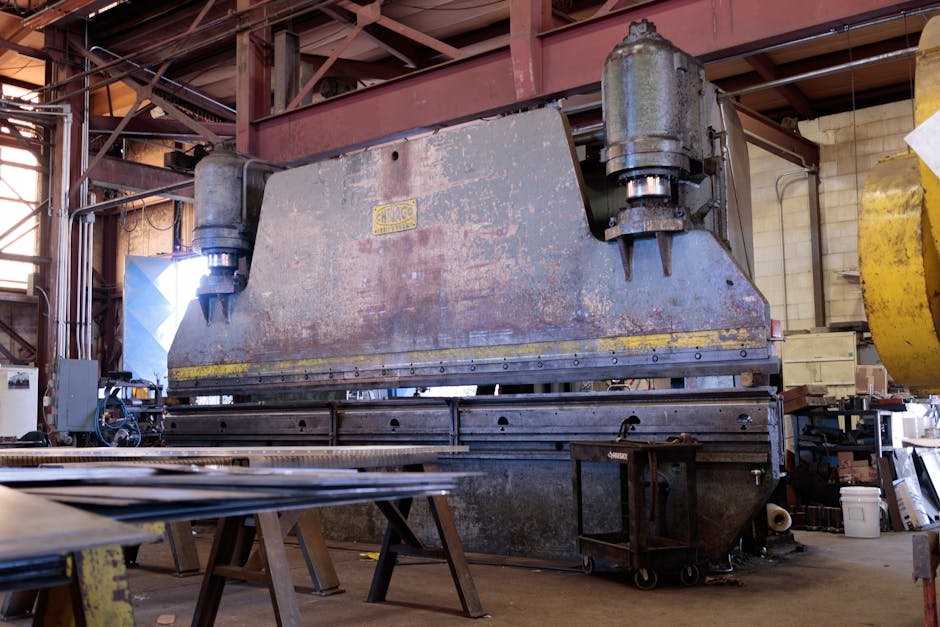
Servo Press Machine vs Traditional Press: 2026 Performance Comparison插图

Like what you see?

Check our case studies.


Servo Press Machine vs Traditional Press: 2026 Performance Comparison插图1
Metallurgy
Servo Press Machine vs Traditional Press: 2026 Performance Comparison插图2
Cutting
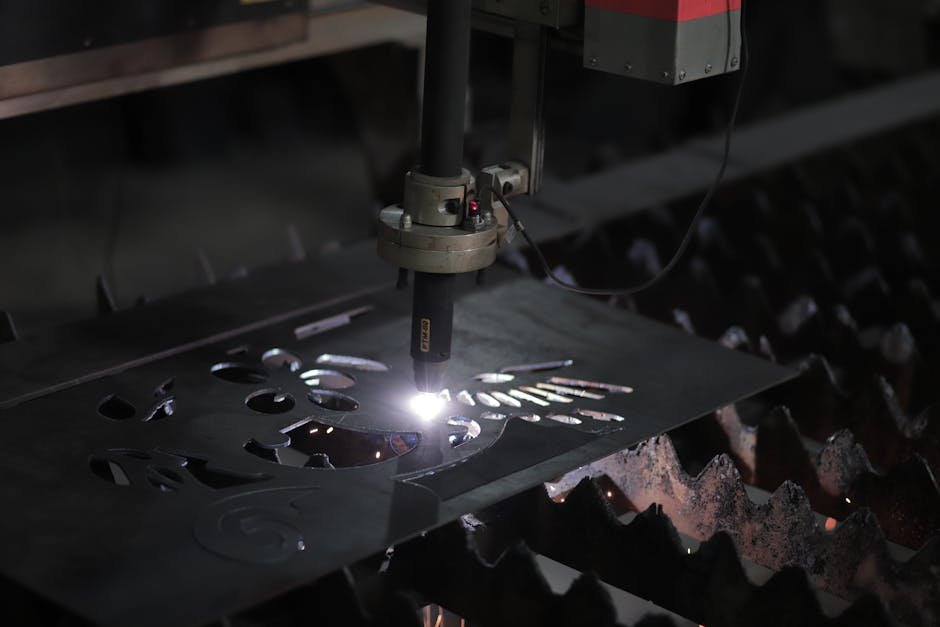
Servo Press Machine vs Traditional Press: 2026 Performance Comparison插图3
Servo Press Machine vs Traditional Press: 2026 Performance Comparison插图4
Metal works
Servo Press Machine vs Traditional Press: 2026 Performance Comparison插图5
Welding
Servo Press Machine vs Traditional Press: 2026 Performance Comparison插图6
Metal works
Servo Press Machine vs Traditional Press: 2026 Performance Comparison插图7
Wind Turbine Generators
Servo Press Machine vs Traditional Press: 2026 Performance Comparison插图8

GO TO PORTFOLIO

Servo Press Machine vs Traditional Press: 2026 Performance Comparison插图9