
Complete guide to selecting C frame mechanical press machines from 3T to 80T. Learn about tonnage, specifications, and safety features.
cfmglift
Looking for expert guidance on metalworking equipment? This comprehensive guide covers: Sheet Metal Shearing Machine Price China 2026: Buyer Guide
Key Takeaways for 2026
- Professional insights and industry best practices
- Practical tips for equipment selection and operation
- Cost-effective solutions for your fabrication shop
- Expert recommendations from LaiFu Press Machine
Why This Matters for Your Shop
Choosing the right metalworking equipment and understanding proper operation is crucial for productivity and quality in your fabrication shop. Whether you’re working with sheet metal, structural steel, or precision components, having the correct equipment makes all the difference.
Key Considerations
When evaluating sheet metal shearing machine price china 2026: buyer guide, consider these factors:
- Material Requirements: Match equipment capabilities to your material types and thicknesses
- Precision Needs: Consider tolerance requirements and repeatability
- Production Volume: Choose equipment that matches your throughput needs
- After-Sales Support: Select suppliers with reliable technical support and parts availability
FAQ
What should I consider when selecting this type of equipment?
Consider your material types, thickness requirements, production volume, precision needs, and budget. Our team can help you evaluate the best options for your specific applications.
How do I ensure optimal performance?
Follow manufacturer guidelines, conduct regular maintenance, ensure operators are properly trained, and keep spare parts on hand for critical components.
What maintenance is required?
Regular inspections, blade maintenance and sharpening, hydraulic system checks, and scheduled service keep your equipment running efficiently and accurately.
Can you provide product specifications and pricing?
Yes, we supply CNC press brakes and shearing machines with full specifications and competitive pricing. Contact us for detailed quotes.
Contact LaiFu for Expert Support
Need expert advice on metalworking equipment? Contact our team today for personalized recommendations and competitive quotes on press brakes and shearing machines.
LaiFu Press Machine – Your trusted partner for metal fabrication equipment solutions.
Looking for expert guidance on metalworking equipment? This comprehensive guide covers: Why Does My Press Brake Bend Unevenly? Troubleshooting
Key Takeaways for 2026
- Professional insights and industry best practices
- Practical tips for equipment selection and operation
- Cost-effective solutions for your fabrication shop
- Expert recommendations from LaiFu Press Machine
Why This Matters for Your Shop
Choosing the right metalworking equipment and understanding proper operation is crucial for productivity and quality in your fabrication shop. Whether you’re working with sheet metal, structural steel, or precision components, having the correct equipment makes all the difference.
Key Considerations
When evaluating why does my press brake bend unevenly? troubleshooting, consider these factors:
- Material Requirements: Match equipment capabilities to your material types and thicknesses
- Precision Needs: Consider tolerance requirements and repeatability
- Production Volume: Choose equipment that matches your throughput needs
- After-Sales Support: Select suppliers with reliable technical support and parts availability
FAQ
What should I consider when selecting this type of equipment?
Consider your material types, thickness requirements, production volume, precision needs, and budget. Our team can help you evaluate the best options for your specific applications.
How do I ensure optimal performance?
Follow manufacturer guidelines, conduct regular maintenance, ensure operators are properly trained, and keep spare parts on hand for critical components.
What maintenance is required?
Regular inspections, blade maintenance and sharpening, hydraulic system checks, and scheduled service keep your equipment running efficiently and accurately.
Can you provide product specifications and pricing?
Yes, we supply CNC press brakes and shearing machines with full specifications and competitive pricing. Contact us for detailed quotes.
Contact LaiFu for Expert Support
Need expert advice on metalworking equipment? Contact our team today for personalized recommendations and competitive quotes on press brakes and shearing machines.
LaiFu Press Machine – Your trusted partner for metal fabrication equipment solutions.
Looking for expert guidance on metalworking equipment? This comprehensive guide covers: CNC Press Brake vs Manual: Cost-Benefit Analysis 2026
Key Takeaways for 2026
- Professional insights and industry best practices
- Practical tips for equipment selection and operation
- Cost-effective solutions for your fabrication shop
- Expert recommendations from LaiFu Press Machine
Why This Matters for Your Shop
Choosing the right metalworking equipment and understanding proper operation is crucial for productivity and quality in your fabrication shop. Whether you’re working with sheet metal, structural steel, or precision components, having the correct equipment makes all the difference.
Key Considerations
When evaluating cnc press brake vs manual: cost-benefit analysis 2026, consider these factors:
- Material Requirements: Match equipment capabilities to your material types and thicknesses
- Precision Needs: Consider tolerance requirements and repeatability
- Production Volume: Choose equipment that matches your throughput needs
- After-Sales Support: Select suppliers with reliable technical support and parts availability
FAQ
What should I consider when selecting this type of equipment?
Consider your material types, thickness requirements, production volume, precision needs, and budget. Our team can help you evaluate the best options for your specific applications.
How do I ensure optimal performance?
Follow manufacturer guidelines, conduct regular maintenance, ensure operators are properly trained, and keep spare parts on hand for critical components.
What maintenance is required?
Regular inspections, blade maintenance and sharpening, hydraulic system checks, and scheduled service keep your equipment running efficiently and accurately.
Can you provide product specifications and pricing?
Yes, we supply CNC press brakes and shearing machines with full specifications and competitive pricing. Contact us for detailed quotes.
Contact LaiFu for Expert Support
Need expert advice on metalworking equipment? Contact our team today for personalized recommendations and competitive quotes on press brakes and shearing machines.
LaiFu Press Machine – Your trusted partner for metal fabrication equipment solutions.
Introduction
Power press machines are essential but pose significant safety risks. These 15 critical safety rules protect operators and prevent accidents.
15 Essential Safety Rules
Rule 1: Complete Proper Training
Never operate without training on controls, safety systems, emergencies, and tooling setup.
Rule 2: Wear Required PPE
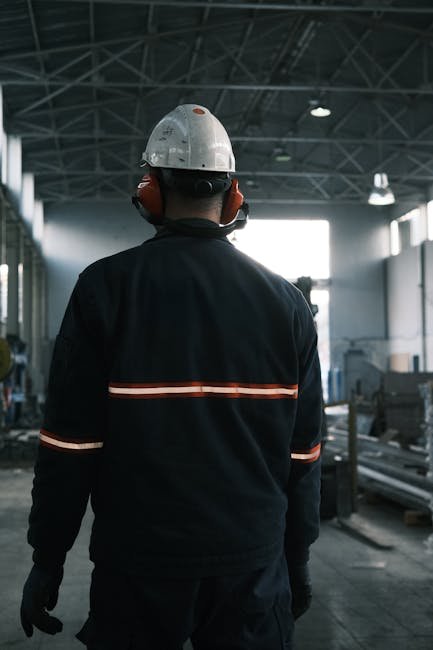
Safety glasses, steel-toed shoes, hearing protection. No gloves near point of operation.
Rule 3: Inspect Before Each Shift
Check safety guards, emergency stops, light curtains, no damage or leaks.
Rule 4: Use Proper Tooling
Only approved dies, verify condition, secure properly, remove damaged tooling.
Rule 5: Lock Out Before Service
Always lock out/tag out before die changes, maintenance, or jam clearing.
Rules 6-15
- Keep hands out of die area
- Use proper feeding tools
- Never bypass safety devices
- Maintain focus
- Follow procedures
- Report abnormalities
- Stop if something wrong
- Never leave running unattended
- Clear jams after full stop
- Document incidents
FAQ
Q: What training is required?
A: Comprehensive training on operation, safety systems, emergencies, and tooling.
Q: What PPE is required?
A: Safety glasses, steel-toed shoes, hearing protection. No gloves near die.
Q: How often test safety systems?
A: Before each shift. Document failures and tag out immediately.
Conclusion
Safety is everyone’s responsibility. For power press machines with latest safety features, contact LAIFU specialists.
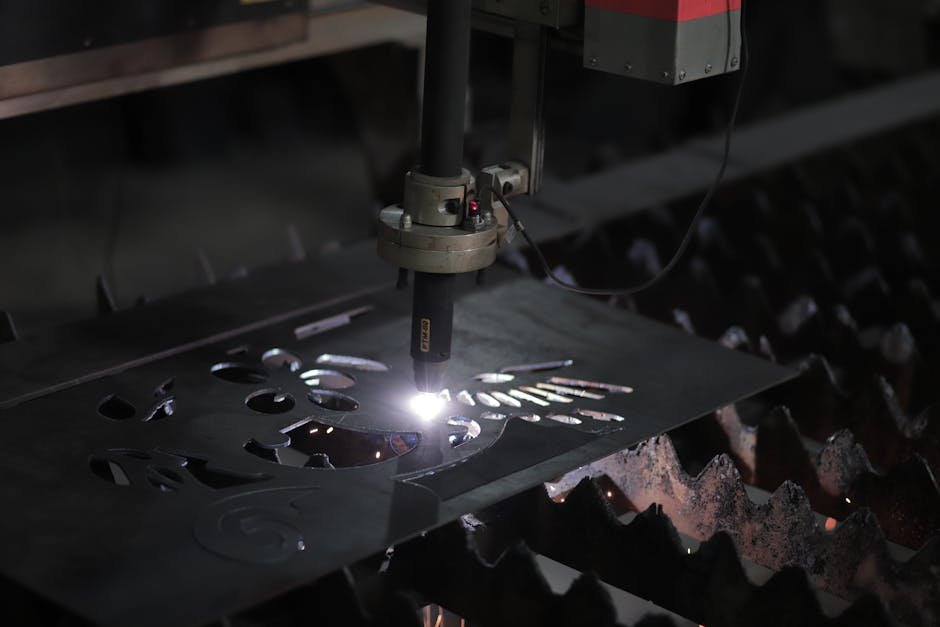
Introduction
Selecting the right sheet metal shearing machine is critical for any fabrication business. This comprehensive buying guide covers everything you need to know.
Types of Shearing Machines
Hydraulic Shearing Machines
Smooth consistent cutting, variable speed, overload protection, quieter operation. Best for general fabrication shops.
Mechanical Shearing Machines
Faster cycle times (60+ cuts/min), lower cost, simpler maintenance. Best for high-volume production.
Key Specifications
Material Thickness Capacity
Light Duty: 1-3mm, Medium Duty: 4-8mm, Heavy Duty: 10-25mm mild steel.
Sheet Width
Common widths: 1000mm to 4000mm. Choose based on your maximum sheet size.
Essential Features
- Backgauge System: Digital readout with ±0.05mm accuracy
- Hold-Down Cylinders: Prevent material movement
- Safety Features: Light curtains, two-hand operation, CE certification
- Blade Clearance: Adjustable 0.02-0.5mm
Total Cost of Ownership
Consider blade replacement ($500-3000/year), hydraulic oil ($200-500), electricity ($1000-5000), maintenance ($500-2000). Total 5-year cost equals 2-3x purchase price.
FAQ
Q: Hydraulic vs mechanical shears?
A: Hydraulic for varying thicknesses, mechanical for high-volume consistent production.
Q: How often do blades need replacement?
A: 50,000-200,000 cuts for mild steel. Budget annually for moderate use.
Q: New or used?
A: New for critical production with warranty. Used for backup or low-volume.
Conclusion
Choose the right shearing machine for your needs. LAIFU offers complete range from 2m to 6m with CE certification and global support.
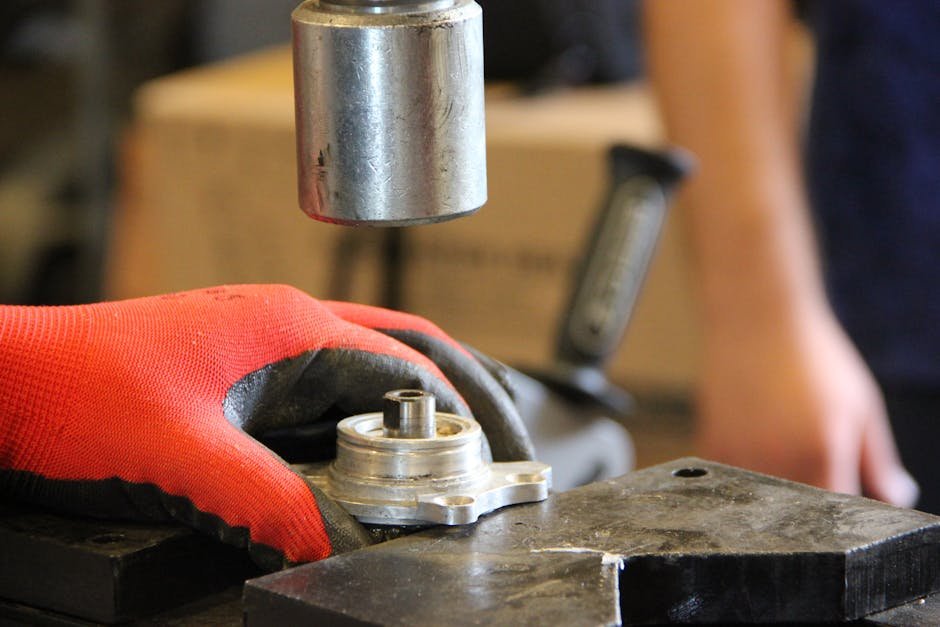
Introduction
Proper hydraulic press brake maintenance is the cornerstone of maximizing machine lifespan, ensuring operator safety, and maintaining consistent bending accuracy. Industry data shows that press brakes with regular preventive maintenance experience 60% fewer unplanned downtime and achieve 40% longer service life.
Daily Maintenance Checklist
1. Hydraulic Oil Level and Condition
Check the hydraulic oil reservoir before starting. Oil should be clear amber or light brown. Milky appearance indicates water contamination, dark brown suggests oxidation.
2. Safety System Verification
Test emergency stops, light curtains, safety guards, and two-hand controls before each shift. Never operate with compromised safety systems.
3. Ram and Tooling Inspection
Inspect ram and dies for cracks, chips, loose bolts, or unusual wear. Clean die surfaces with appropriate solvent.
Weekly Maintenance Tasks
1. Hydraulic System Inspection
Examine all hoses, fittings, and connections for leaks, cracks, or abrasion. Tighten loose connections immediately.
2. Electrical System Check
Check control panel for warning lights, verify indicator lights function, listen for unusual sounds from electrical cabinets.
3. Backgauge Accuracy
Test backgauge positioning accuracy. If discrepancy exceeds 0.1mm, recalibrate per manufacturer instructions.
Monthly Procedures
1. Hydraulic Filter Replacement
Replace return line filters monthly. Relieve pressure, drain old filter, install new with fresh O-ring.
2. Ram Parallelism Check
Verify ram remains parallel to bed. Difference should not exceed 0.05mm per meter.
Annual Professional Service
Schedule certified technician for: oil analysis, pump inspection, valve testing, electrical audit, structural inspection.
Common Problems
Inconsistent Bend Angles
Causes: pressure fluctuation, worn tooling, backgauge error. Solutions: check pressure, inspect tooling, recalibrate.
Excessive Noise
Causes: low oil level, worn bearings, loose components. Solutions: check oil, inspect bearings, tighten parts.
FAQ
Q: How often should I change hydraulic oil?
A: Every 2000-3000 operating hours or annually, whichever comes first.
Q: What type of grease should I use?
A: Lithium-based EP2 or EP3 grease for most applications.
Q: When does tooling need replacement?
A: When you observe cracks, edge radius exceeding 0.5mm, or consistent quality issues.
Conclusion
Effective maintenance is essential for safe productive operations. For professional service and genuine parts, contact LAIFU Press Machine specialists. Explore our hydraulic press brakes from 3T to 1000T.

Like what you see?
Check our case studies.