cfmglift

April 25, 2026
featured-1777161478.jpg

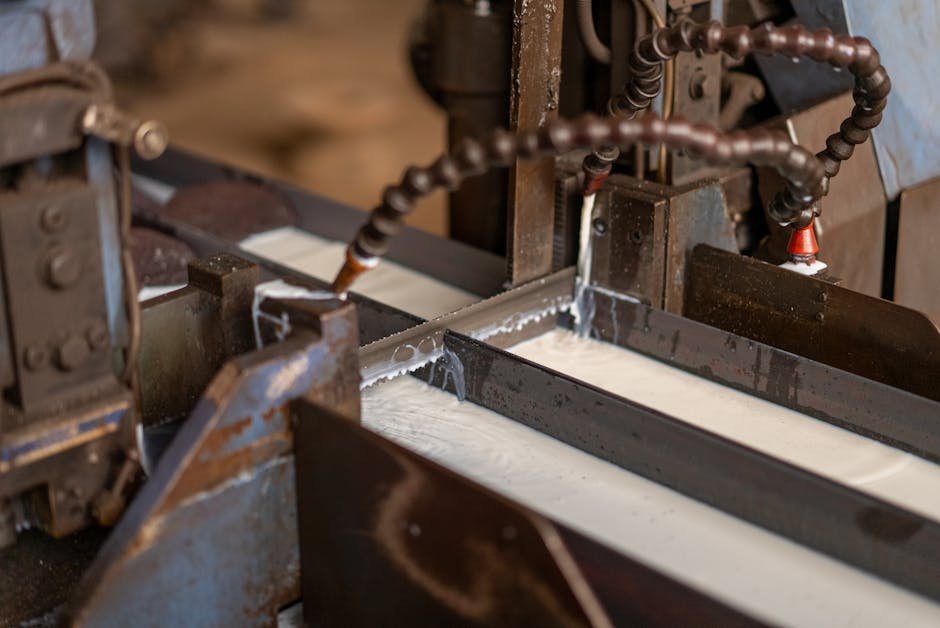
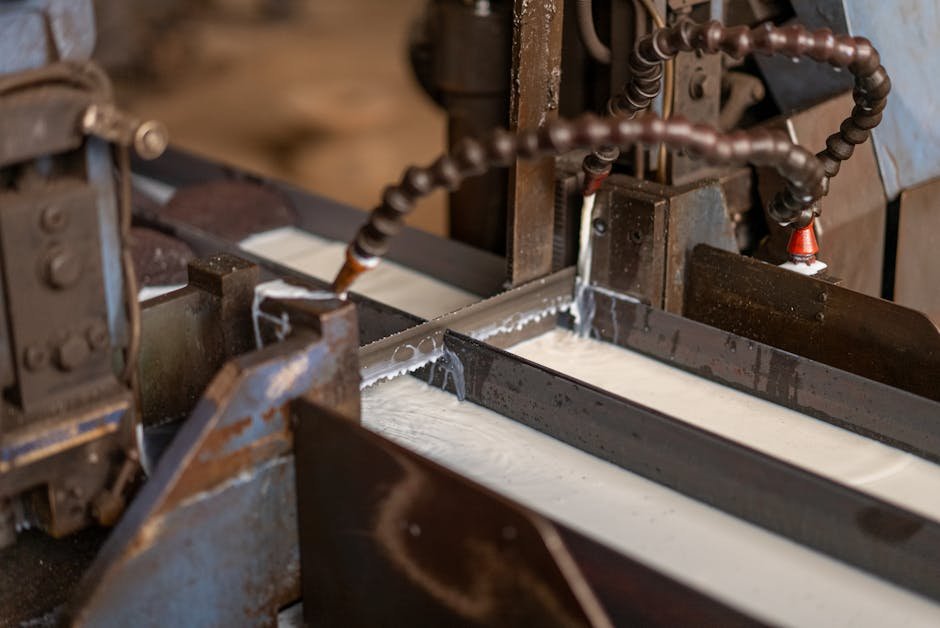
Shearing Machine Blade Coating Options

Understanding shearing machine blade coating options is essential for equipment operators, facility managers, and procurement professionals in 2026. This comprehensive guide covers everything you need to know about optimizing performance, ensuring safety, and maximizing the lifespan of your equipment.

Key Considerations

When evaluating shearing machine blade coating options, several critical factors come into play. Equipment specifications, operational requirements, and safety standards must all be carefully considered to achieve optimal results.

Equipment Specifications

Modern aerial lifts and press brake equipment come with varying specifications that directly impact performance. Understanding these specifications helps operators make informed decisions about equipment selection and usage.

Safety Standards

Safety should always be the top priority. Compliance with OSHA standards, manufacturer guidelines, and local regulations ensures safe operations and reduces the risk of accidents or equipment damage.

Best Practices

Following industry best practices for shearing machine blade coating options can significantly improve efficiency and extend equipment life. Regular maintenance, proper training, and adherence to manufacturer recommendations are fundamental to success.

Regular Maintenance Schedule

Establishing a consistent maintenance schedule helps prevent unexpected downtime and extends equipment lifespan. Daily inspections, monthly servicing, and annual professional assessments form the foundation of reliable equipment operation.

Operator Training

Proper operator training reduces accidents, improves productivity, and ensures equipment is used within its designed parameters. Regular refresher courses keep skills current and awareness high.

Troubleshooting Common Issues

Even with proper maintenance, equipment may encounter issues. Understanding common problems and their solutions helps operators respond quickly and effectively, minimizing downtime and maintaining safety.

FAQ

Q: How often should shearing machine blade coating options be performed?

A: Regular shearing machine blade coating options should be performed according to manufacturer guidelines, typically every 6-12 months depending on usage intensity and operating conditions.

Q: What are the key safety considerations?

A: Key safety considerations include proper training, using appropriate personal protective equipment, following manufacturer specifications, and ensuring regular maintenance checks are completed.

Q: How much does professional service cost?

A: The cost varies depending on equipment type, complexity, and service provider. Contact local dealers for accurate quotes based on your specific requirements and equipment model.

Conclusion

Mastering shearing machine blade coating options requires knowledge, proper equipment, and consistent attention to safety and maintenance. By following the guidelines outlined in this article, operators and facility managers can optimize performance, extend equipment lifespan, and maintain the highest safety standards in 2026.

For more information about aerial lifts, press brakes, and shearing machines, visit GMH Lift or Laifu Press Machine for expert guidance and equipment solutions.
April 25, 2026
featured-1777161462.jpg

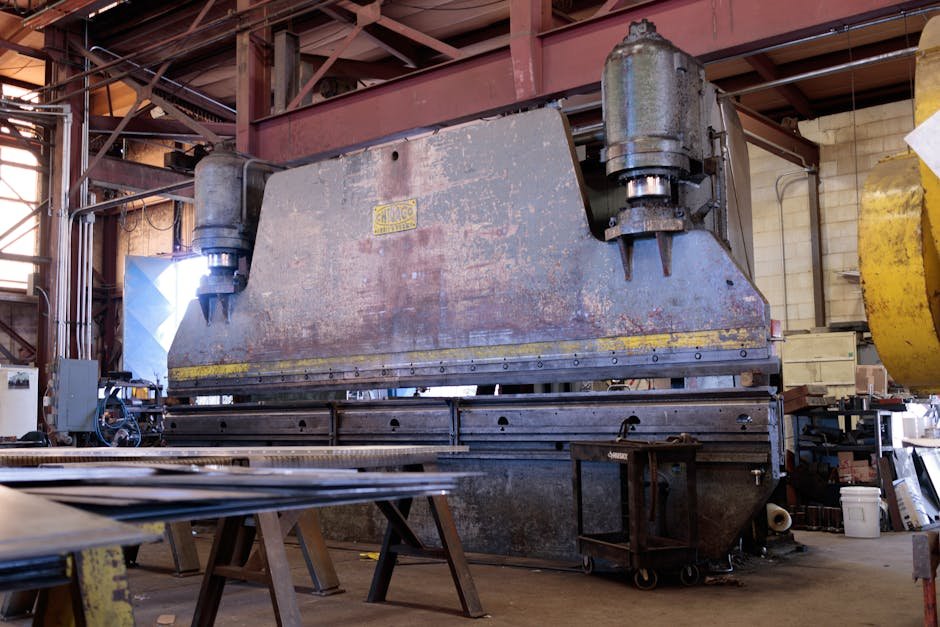
How to Prevent Overloading Your Press Brake

Understanding prevent overloading press brake is essential for equipment operators, facility managers, and procurement professionals in 2026. This comprehensive guide covers everything you need to know about optimizing performance, ensuring safety, and maximizing the lifespan of your equipment.

Key Considerations

When evaluating prevent overloading press brake, several critical factors come into play. Equipment specifications, operational requirements, and safety standards must all be carefully considered to achieve optimal results.

Equipment Specifications

Modern aerial lifts and press brake equipment come with varying specifications that directly impact performance. Understanding these specifications helps operators make informed decisions about equipment selection and usage.

Safety Standards

Safety should always be the top priority. Compliance with OSHA standards, manufacturer guidelines, and local regulations ensures safe operations and reduces the risk of accidents or equipment damage.

Best Practices

Following industry best practices for prevent overloading press brake can significantly improve efficiency and extend equipment life. Regular maintenance, proper training, and adherence to manufacturer recommendations are fundamental to success.

Regular Maintenance Schedule

Establishing a consistent maintenance schedule helps prevent unexpected downtime and extends equipment lifespan. Daily inspections, monthly servicing, and annual professional assessments form the foundation of reliable equipment operation.

Operator Training

Proper operator training reduces accidents, improves productivity, and ensures equipment is used within its designed parameters. Regular refresher courses keep skills current and awareness high.

Troubleshooting Common Issues

Even with proper maintenance, equipment may encounter issues. Understanding common problems and their solutions helps operators respond quickly and effectively, minimizing downtime and maintaining safety.

FAQ

Q: How often should prevent overloading press brake be performed?

A: Regular prevent overloading press brake should be performed according to manufacturer guidelines, typically every 6-12 months depending on usage intensity and operating conditions.

Q: What are the key safety considerations?

A: Key safety considerations include proper training, using appropriate personal protective equipment, following manufacturer specifications, and ensuring regular maintenance checks are completed.

Q: How much does professional service cost?

A: The cost varies depending on equipment type, complexity, and service provider. Contact local dealers for accurate quotes based on your specific requirements and equipment model.

Conclusion

Mastering prevent overloading press brake requires knowledge, proper equipment, and consistent attention to safety and maintenance. By following the guidelines outlined in this article, operators and facility managers can optimize performance, extend equipment lifespan, and maintain the highest safety standards in 2026.

For more information about aerial lifts, press brakes, and shearing machines, visit GMH Lift or Laifu Press Machine for expert guidance and equipment solutions.

April 25, 2026
featured-1777076232.jpg

What Causes Press Brake Backlash and How to Fix It

Understanding press brake backlash causes fix is essential for equipment operators, facility managers, and procurement professionals. This comprehensive guide covers everything you need to know about optimizing performance, ensuring safety, and maximizing the lifespan of your equipment.

Key Considerations

When evaluating press brake backlash causes fix, several critical factors come into play. Equipment specifications, operational requirements, and safety standards must all be carefully considered to achieve optimal results.

Equipment Specifications

Modern aerial lifts and press brake equipment come with varying specifications that directly impact performance. Understanding these specifications helps operators make informed decisions about equipment selection and usage.

Safety Standards

Safety should always be the top priority. Compliance with OSHA standards, manufacturer guidelines, and local regulations ensures safe operations and reduces the risk of accidents or equipment damage.

Best Practices

Following industry best practices for press brake backlash causes fix can significantly improve efficiency and extend equipment life. Regular maintenance, proper training, and adherence to manufacturer recommendations are fundamental to success.

Regular Maintenance Schedule

Establishing a consistent maintenance schedule helps prevent unexpected downtime and extends equipment lifespan. Daily inspections, monthly servicing, and annual professional assessments form the foundation of reliable equipment operation.

Operator Training

Proper operator training reduces accidents, improves productivity, and ensures equipment is used within its designed parameters. Regular refresher courses keep skills current and awareness high.

Troubleshooting Common Issues

Even with proper maintenance, equipment may encounter issues. Understanding common problems and their solutions helps operators respond quickly and effectively, minimizing downtime and maintaining safety.

FAQ

Q: How often should press brake backlash causes fix be performed?

A: Regular press brake backlash causes fix should be performed according to manufacturer guidelines, typically every 6-12 months depending on usage intensity and operating conditions.

Q: What are the key safety considerations?

A: Key safety considerations include proper training, using appropriate personal protective equipment, following manufacturer specifications, and ensuring regular maintenance checks are completed.

Q: How much does professional service cost?

A: The cost varies depending on equipment type, complexity, and service provider. Contact local dealers for accurate quotes based on your specific requirements and equipment model.

Conclusion

Mastering press brake backlash causes fix requires knowledge, proper equipment, and consistent attention to safety and maintenance. By following the guidelines outlined in this article, operators and facility managers can optimize performance, extend equipment lifespan, and maintain the highest safety standards.

For more information about aerial lifts, press brakes, and shearing machines, visit GMH Lift or Laifu Press Machine for expert guidance and equipment solutions.

April 25, 2026
featured-1777076216.jpg

Shearing Machine Blade Material Comparison Guide

Understanding shearing machine blade material comparison is essential for equipment operators, facility managers, and procurement professionals. This comprehensive guide covers everything you need to know about optimizing performance, ensuring safety, and maximizing the lifespan of your equipment.

Key Considerations

When evaluating shearing machine blade material comparison, several critical factors come into play. Equipment specifications, operational requirements, and safety standards must all be carefully considered to achieve optimal results.

Equipment Specifications

Modern aerial lifts and press brake equipment come with varying specifications that directly impact performance. Understanding these specifications helps operators make informed decisions about equipment selection and usage.

Safety Standards

Safety should always be the top priority. Compliance with OSHA standards, manufacturer guidelines, and local regulations ensures safe operations and reduces the risk of accidents or equipment damage.

Best Practices

Following industry best practices for shearing machine blade material comparison can significantly improve efficiency and extend equipment life. Regular maintenance, proper training, and adherence to manufacturer recommendations are fundamental to success.

Regular Maintenance Schedule

Establishing a consistent maintenance schedule helps prevent unexpected downtime and extends equipment lifespan. Daily inspections, monthly servicing, and annual professional assessments form the foundation of reliable equipment operation.

Operator Training

Proper operator training reduces accidents, improves productivity, and ensures equipment is used within its designed parameters. Regular refresher courses keep skills current and awareness high.

Troubleshooting Common Issues

Even with proper maintenance, equipment may encounter issues. Understanding common problems and their solutions helps operators respond quickly and effectively, minimizing downtime and maintaining safety.

FAQ

Q: How often should shearing machine blade material comparison be performed?

A: Regular shearing machine blade material comparison should be performed according to manufacturer guidelines, typically every 6-12 months depending on usage intensity and operating conditions.

Q: What are the key safety considerations?

A: Key safety considerations include proper training, using appropriate personal protective equipment, following manufacturer specifications, and ensuring regular maintenance checks are completed.

Q: How much does professional service cost?

A: The cost varies depending on equipment type, complexity, and service provider. Contact local dealers for accurate quotes based on your specific requirements and equipment model.

Conclusion

Mastering shearing machine blade material comparison requires knowledge, proper equipment, and consistent attention to safety and maintenance. By following the guidelines outlined in this article, operators and facility managers can optimize performance, extend equipment lifespan, and maintain the highest safety standards.

For more information about aerial lifts, press brakes, and shearing machines, visit GMH Lift or Laifu Press Machine for expert guidance and equipment solutions.

April 25, 2026
featured-1777076200.jpg

How to Prevent Metal Fatigue in Press Brake Operations

Understanding prevent metal fatigue press brake operations is essential for equipment operators, facility managers, and procurement professionals. This comprehensive guide covers everything you need to know about optimizing performance, ensuring safety, and maximizing the lifespan of your equipment.

Key Considerations

When evaluating prevent metal fatigue press brake operations, several critical factors come into play. Equipment specifications, operational requirements, and safety standards must all be carefully considered to achieve optimal results.

Equipment Specifications

Modern aerial lifts and press brake equipment come with varying specifications that directly impact performance. Understanding these specifications helps operators make informed decisions about equipment selection and usage.

Safety Standards

Safety should always be the top priority. Compliance with OSHA standards, manufacturer guidelines, and local regulations ensures safe operations and reduces the risk of accidents or equipment damage.

Best Practices

Following industry best practices for prevent metal fatigue press brake operations can significantly improve efficiency and extend equipment life. Regular maintenance, proper training, and adherence to manufacturer recommendations are fundamental to success.

Regular Maintenance Schedule

Establishing a consistent maintenance schedule helps prevent unexpected downtime and extends equipment lifespan. Daily inspections, monthly servicing, and annual professional assessments form the foundation of reliable equipment operation.

Operator Training

Proper operator training reduces accidents, improves productivity, and ensures equipment is used within its designed parameters. Regular refresher courses keep skills current and awareness high.

Troubleshooting Common Issues

Even with proper maintenance, equipment may encounter issues. Understanding common problems and their solutions helps operators respond quickly and effectively, minimizing downtime and maintaining safety.

FAQ

Q: How often should prevent metal fatigue press brake operations be performed?

A: Regular prevent metal fatigue press brake operations should be performed according to manufacturer guidelines, typically every 6-12 months depending on usage intensity and operating conditions.

Q: What are the key safety considerations?

A: Key safety considerations include proper training, using appropriate personal protective equipment, following manufacturer specifications, and ensuring regular maintenance checks are completed.

Q: How much does professional service cost?

A: The cost varies depending on equipment type, complexity, and service provider. Contact local dealers for accurate quotes based on your specific requirements and equipment model.

Conclusion

Mastering prevent metal fatigue press brake operations requires knowledge, proper equipment, and consistent attention to safety and maintenance. By following the guidelines outlined in this article, operators and facility managers can optimize performance, extend equipment lifespan, and maintain the highest safety standards.

For more information about aerial lifts, press brakes, and shearing machines, visit GMH Lift or Laifu Press Machine for expert guidance and equipment solutions.

April 24, 2026

This comprehensive guide explores press brake energy efficiency tips, providing essential information for your operations.

Overview

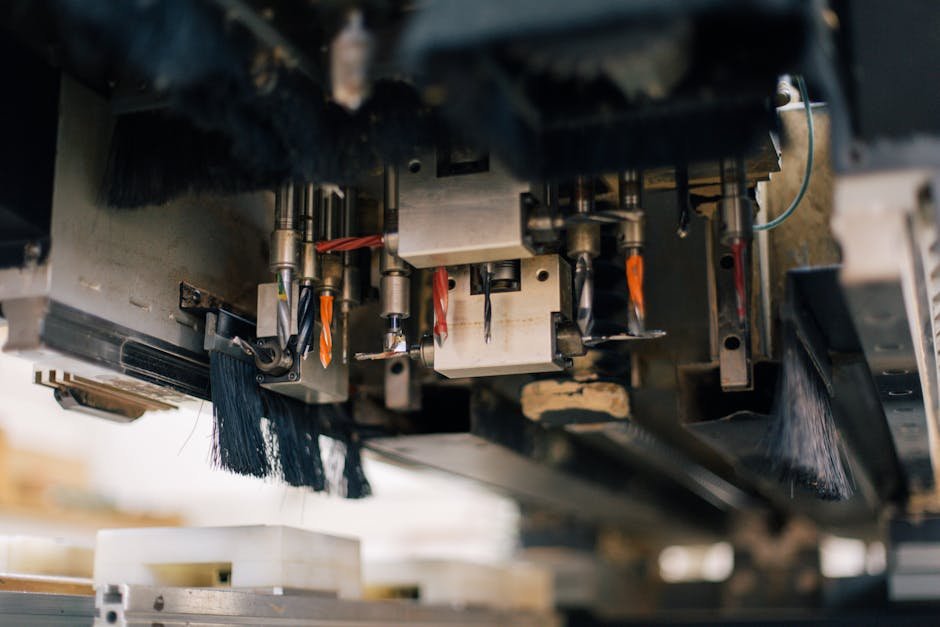
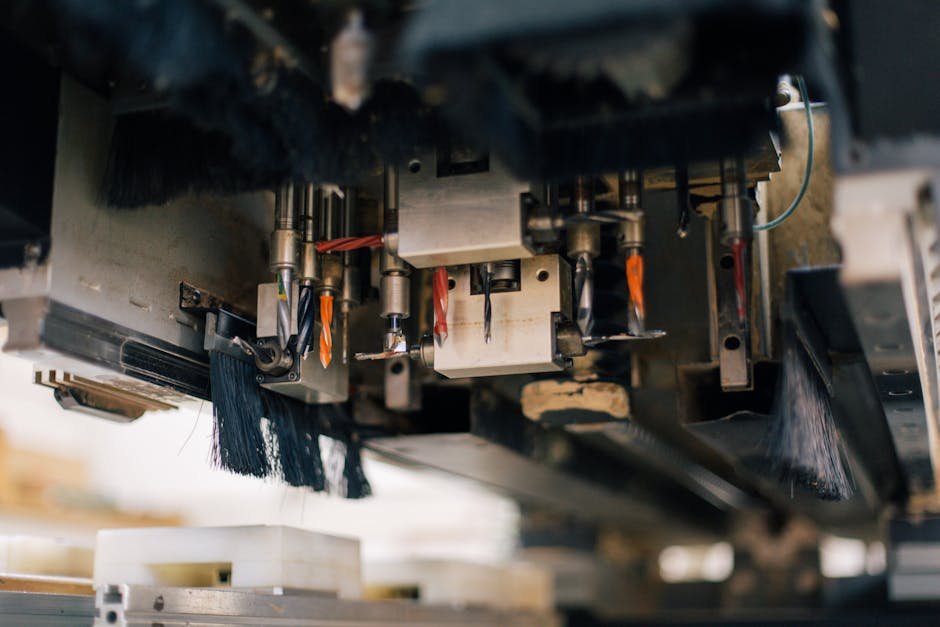
Detailed view of an industrial machine with multiple drills and brushes in a factory setting.
Figure: Detailed view of an industrial machine with multiple drills and brushes in a factory setting.
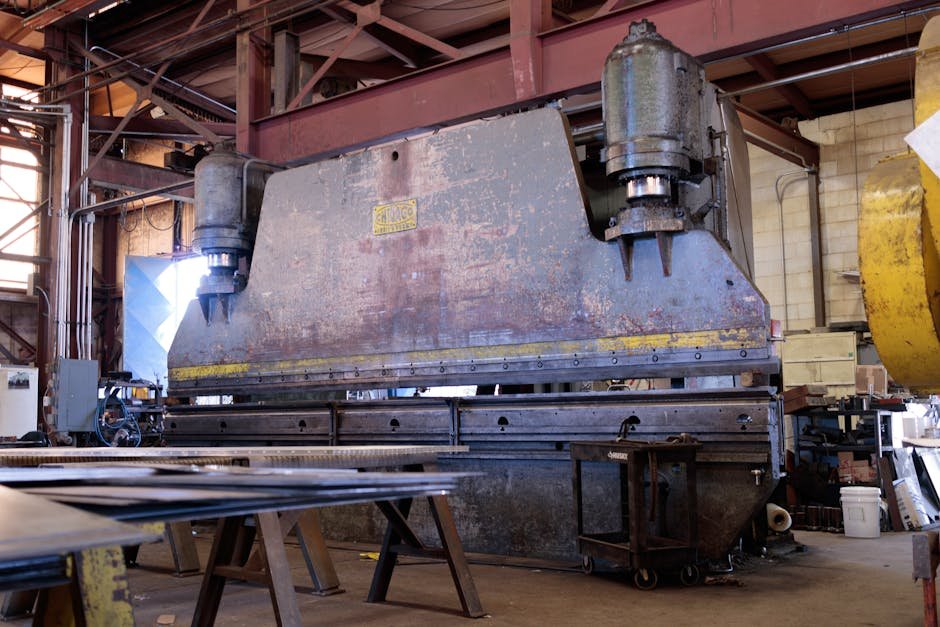
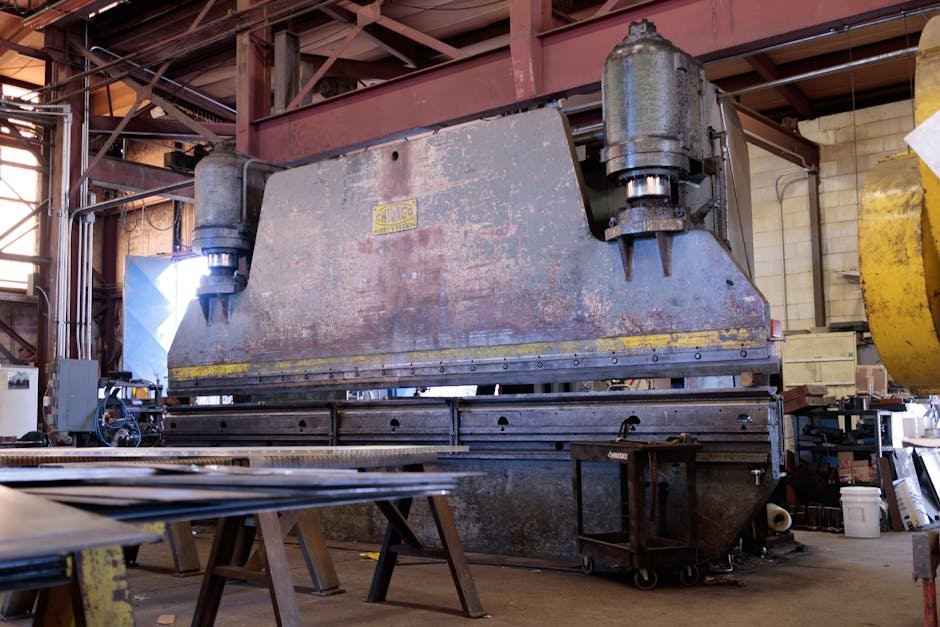
Massive metal press in a factory showcasing heavy machinery and industrial environment.
Figure: Massive metal press in a factory showcasing heavy machinery and industrial environment.
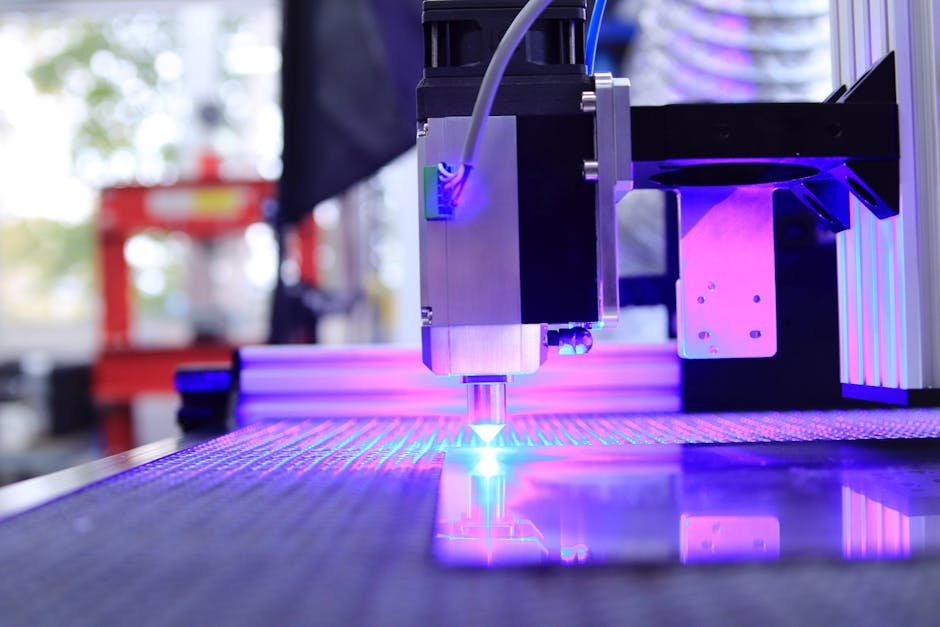
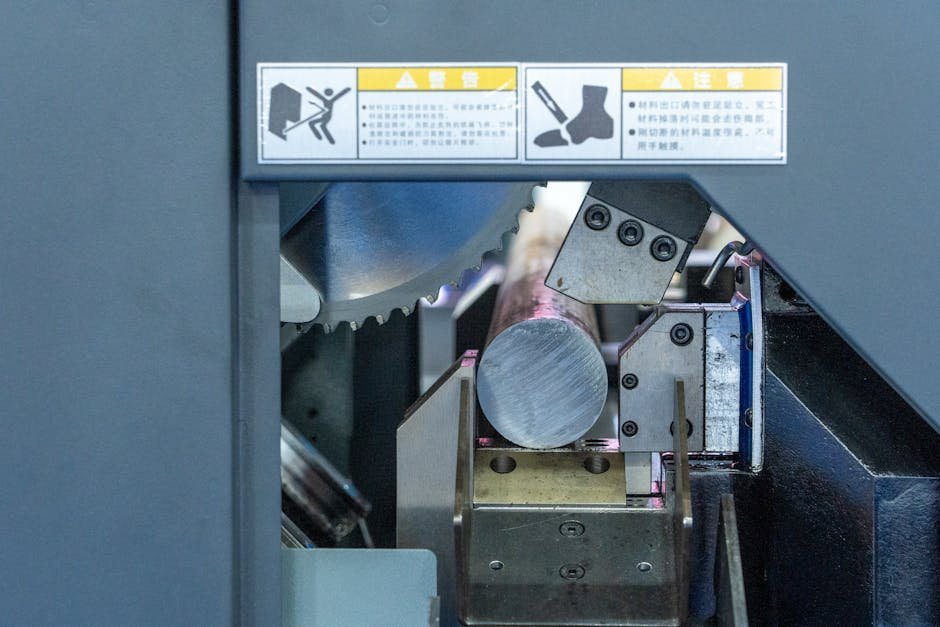
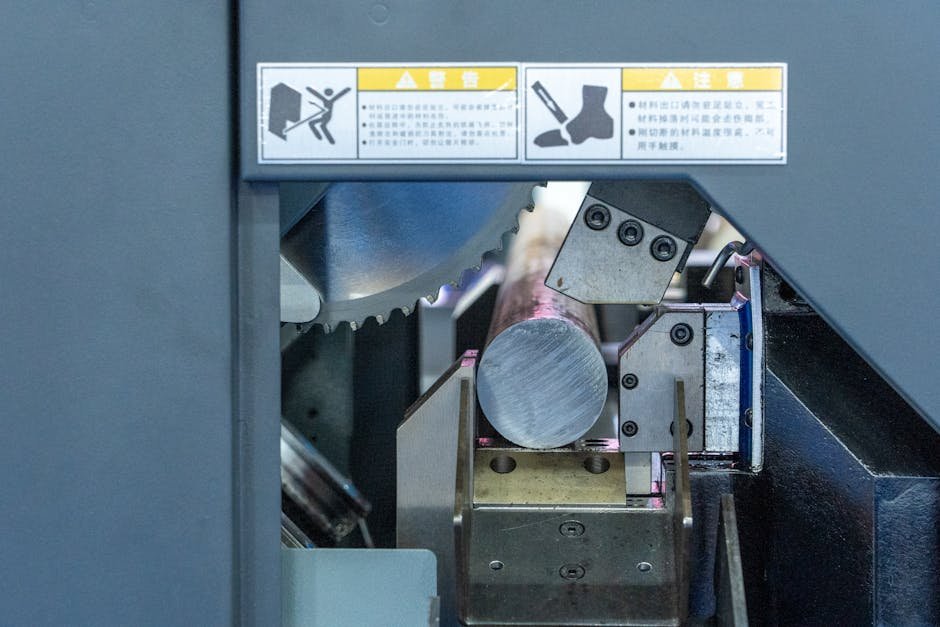
Detailed view of a metal cutting machine in operation, showcasing industrial machinery.
Figure: Detailed view of a metal cutting machine in operation, showcasing industrial machinery.

Understanding this topic is crucial for maintaining efficient and safe operations. Let’s explore the key aspects you need to know.

Key Points

Here are the most important aspects to consider:

  • Safety requirements and regulations
  • Equipment specifications and capabilities
  • Maintenance and inspection schedules
  • Cost and operational efficiency factors
  • Industry best practices

Detailed Discussion

Let’s dive deeper into each of these areas to give you a complete understanding.

Safety and Compliance

Always prioritize safety in your operations. Ensure compliance with all relevant OSHA regulations and manufacturer guidelines.

Equipment Considerations

Choose equipment that matches your specific needs. Consider factors such as capacity, operating environment, and maintenance requirements.

Practical Tips

  1. Invest in quality training for all operators
  2. Implement a preventive maintenance program
  3. Keep spare parts inventory for critical components
  4. Document all inspections and repairs
  5. Stay informed about industry developments

Conclusion

By understanding press brake energy efficiency tips, you can make better decisions for your operations.

FAQ

Q: What are the most common issues?
A: Common issues include improper maintenance, operator error, and using equipment beyond its specifications.

Q: How can I improve operational efficiency?
A: Focus on proper training, preventive maintenance, and selecting the right equipment for each task.

Related Resources


April 24, 2026

This comprehensive guide explores shearing machine rake angle settings, providing essential information for your operations.

Overview

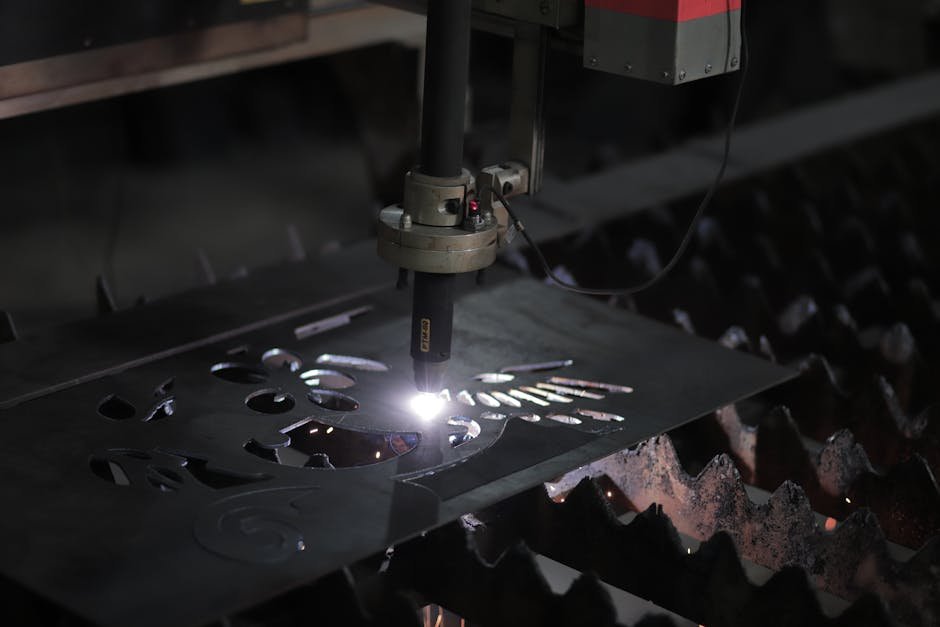
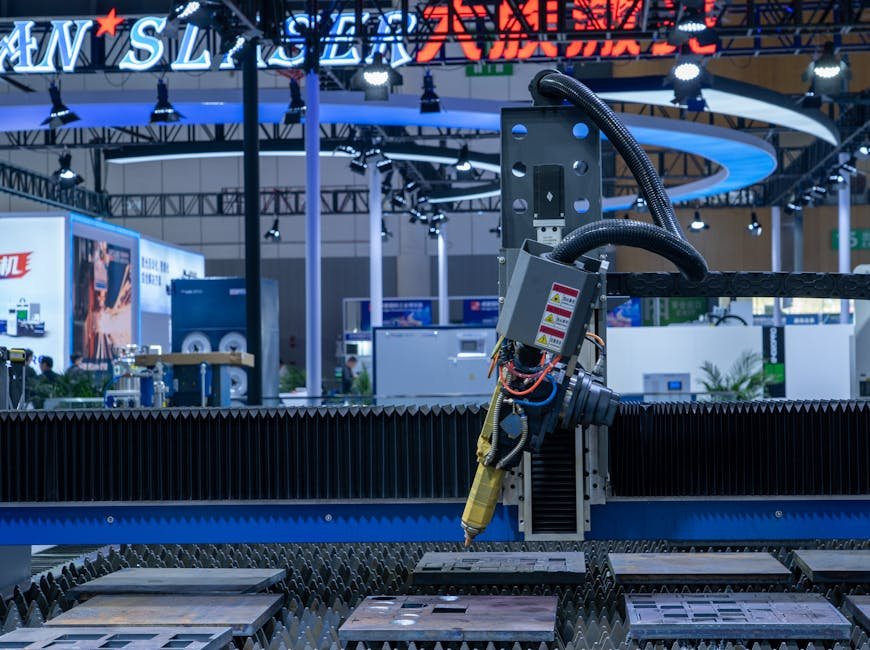
Close-up of a plasma cutting machine working on a metal sheet in an industrial setting.
Figure: Close-up of a plasma cutting machine working on a metal sheet in an industrial setting.
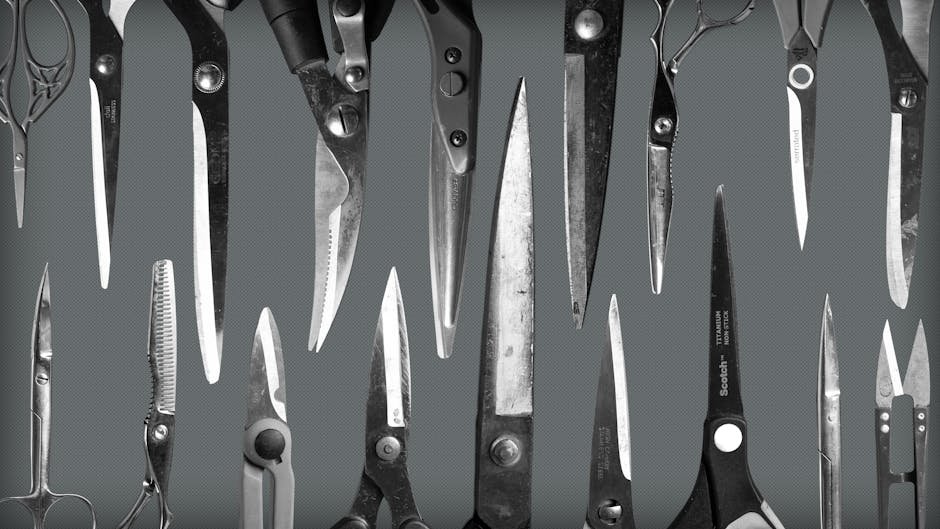
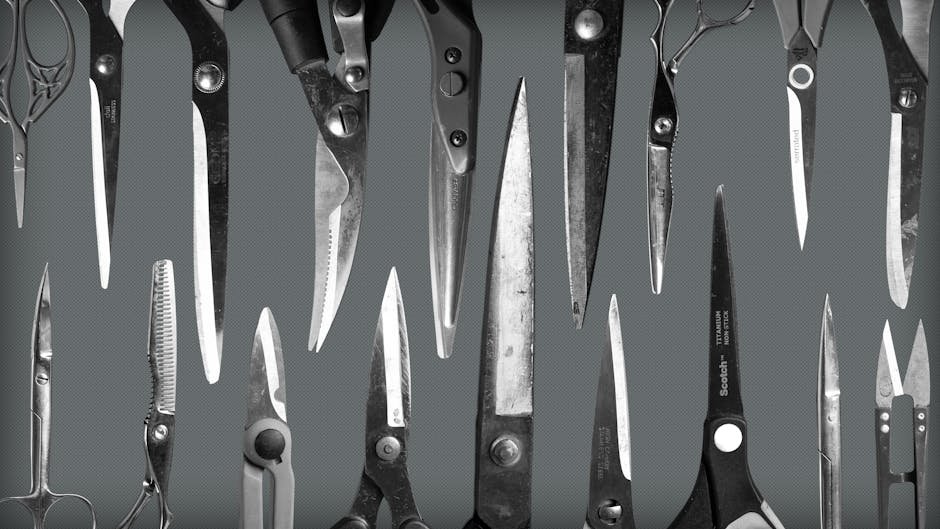
Flat lay of various scissors and cutting tools with stainless steel blades on a textured surface.
Figure: Flat lay of various scissors and cutting tools with stainless steel blades on a textured surface.
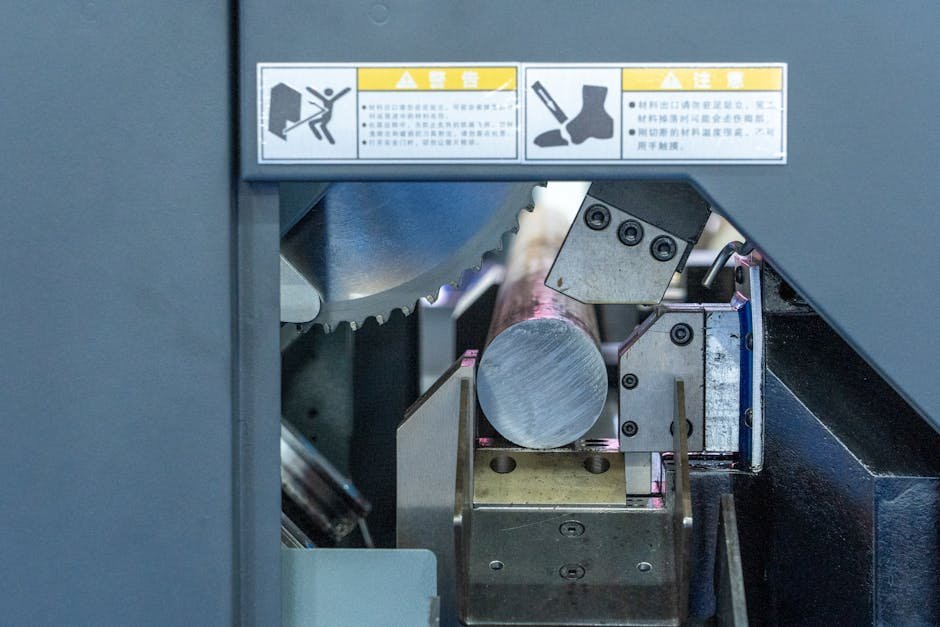
Detailed view of a metal cutting machine in operation, showcasing industrial machinery.
Figure: Detailed view of a metal cutting machine in operation, showcasing industrial machinery.

Understanding this topic is crucial for maintaining efficient and safe operations. Let’s explore the key aspects you need to know.

Key Points

Here are the most important aspects to consider:

  • Safety requirements and regulations
  • Equipment specifications and capabilities
  • Maintenance and inspection schedules
  • Cost and operational efficiency factors
  • Industry best practices

Detailed Discussion

Let’s dive deeper into each of these areas to give you a complete understanding.

Safety and Compliance

Always prioritize safety in your operations. Ensure compliance with all relevant OSHA regulations and manufacturer guidelines.

Equipment Considerations

Choose equipment that matches your specific needs. Consider factors such as capacity, operating environment, and maintenance requirements.

Practical Tips

  1. Invest in quality training for all operators
  2. Implement a preventive maintenance program
  3. Keep spare parts inventory for critical components
  4. Document all inspections and repairs
  5. Stay informed about industry developments

Conclusion

By understanding shearing machine rake angle settings, you can make better decisions for your operations.

FAQ

Q: What are the most common issues?
A: Common issues include improper maintenance, operator error, and using equipment beyond its specifications.

Q: How can I improve operational efficiency?
A: Focus on proper training, preventive maintenance, and selecting the right equipment for each task.

Related Resources


April 24, 2026

Understanding how to properly handle to choose press brake dies for specialty profiles is essential for equipment operators and facility managers. This comprehensive guide covers everything you need to know.

Understanding the Fundamentals

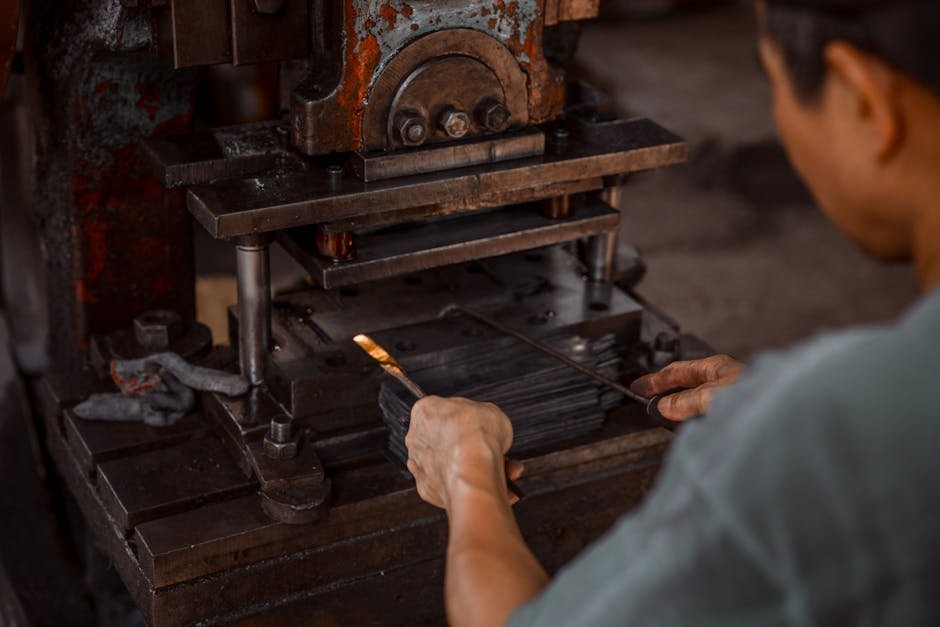
Close-up of worker using industrial press in metalworking process.
Figure: Close-up of worker using industrial press in metalworking process.
Massive metal press in a factory showcasing heavy machinery and industrial environment.
Figure: Massive metal press in a factory showcasing heavy machinery and industrial environment.
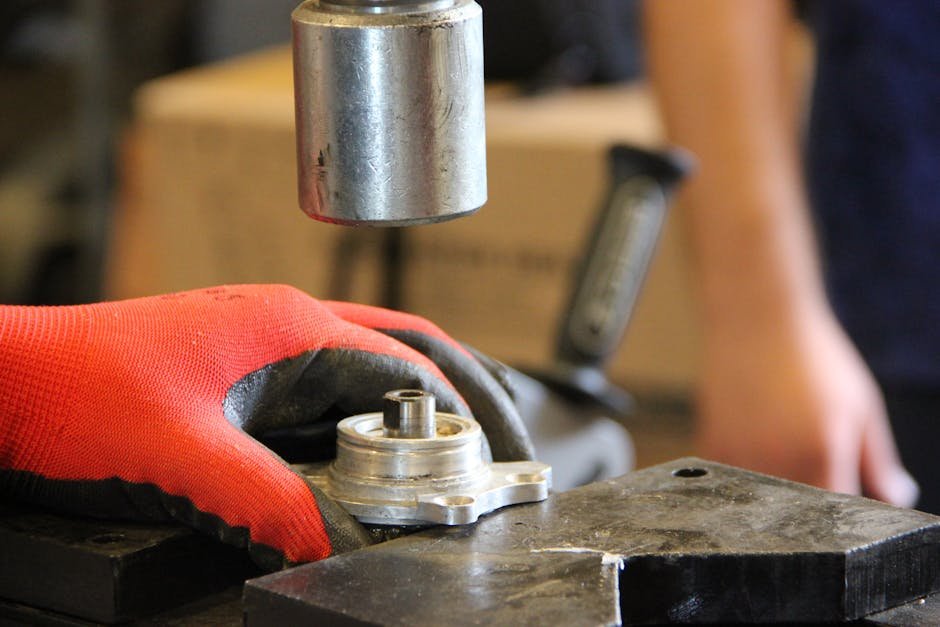
Hands in red gloves operate metal machinery in workshop close-up.
Figure: Hands in red gloves operate metal machinery in workshop close-up.

Before diving into the specifics, it’s important to understand why this topic matters. Whether you’re managing a fleet of aerial lifts or operating a fabrication shop, getting this right affects safety, efficiency, and your bottom line.

Step-by-Step Process

Step 1: Assessment and Planning

Start by evaluating your current situation. Document existing conditions, measure key parameters, and identify any constraints. This initial assessment will guide all subsequent decisions.

Step 2: Gather Required Tools and Materials

Ensure you have all necessary equipment before beginning. This includes measurement tools, safety gear, and any specialized instruments required for the task.

Step 3: Execute the Procedure

Follow manufacturer guidelines and industry best practices. Work methodically and document each step for future reference.

Step 4: Verify Results

After completing the procedure, verify that all parameters meet specifications. Test under normal operating conditions to confirm everything functions correctly.

Common Challenges and Solutions

  • Inaccurate measurements: Use calibrated tools and double-check readings
  • Environmental factors: Account for temperature, humidity, and wind conditions
  • Equipment limitations: Know your equipment’s capabilities and work within them

Safety Best Practices

Always follow OSHA regulations and manufacturer safety guidelines. Ensure all personnel are properly trained and wear appropriate PPE.

When to Seek Professional Help

Some situations require expert assistance. Don’t hesitate to contact the manufacturer or a certified technician when dealing with complex issues or warranty-covered repairs.

Conclusion

By following this guide, you’ll be well-equipped to handle to choose press brake dies for specialty profiles effectively. Regular practice and attention to detail will improve your results over time.

FAQ

Q: How often should this be done?
A: Follow your manufacturer’s maintenance schedule. For most equipment, this should be checked quarterly or before each major project.

Q: What tools do I need?
A: Standard measurement tools, safety equipment, and any specialized instruments specified in your equipment manual.

Q: Can I do this myself or do I need certification?
A: Basic procedures can be done by trained operators. Complex tasks may require certified technicians.

Related Resources


April 23, 2026

Understanding re the latest press brake technology trends is essential for making informed decisions about your equipment operations. This guide provides comprehensive answers to help you navigate this important topic.

Key Concepts

Close-up of a laser engraving machine working indoors with blue light reflection.
Figure: Close-up of a laser engraving machine working indoors with blue light reflection.
Detailed view of an industrial machine with multiple drills and brushes in a factory setting.
Figure: Detailed view of an industrial machine with multiple drills and brushes in a factory setting.
A CNC laser machine operating in a high-tech industrial exhibition setup with vibrant lighting.
Figure: A CNC laser machine operating in a high-tech industrial exhibition setup with vibrant lighting.

Let’s start by breaking down the fundamental concepts you need to understand. This foundation will help you make better decisions and communicate more effectively with your team.

Main Components and Factors

Several key factors influence re the latest press brake technology trends:

  • Equipment specifications: Different models have varying capabilities and requirements.
  • Operating conditions: Environment and usage patterns affect performance.
  • Maintenance history: Well-maintained equipment performs more predictably.
  • Industry standards: Compliance with regulations ensures safety and quality.

Detailed Analysis

When evaluating this topic, consider the following aspects:

Performance Metrics

Key performance indicators help you assess whether your equipment is meeting expectations. Track relevant metrics regularly to identify trends and potential issues early.

Cost Considerations

Understanding the total cost of ownership goes beyond the initial purchase price. Factor in maintenance, energy consumption, downtime, and replacement costs.

Safety Implications

Safety should always be a primary consideration. Ensure all operations comply with OSHA regulations and manufacturer guidelines.

Industry Best Practices

Based on industry standards and expert recommendations:

  1. Conduct regular inspections and maintenance
  2. Train all operators thoroughly
  3. Document all procedures and incidents
  4. Stay updated on regulatory changes
  5. Invest in quality equipment and parts

Common Questions

Here are answers to frequently asked questions about this topic:

Q: What are the most important factors to consider?
A: Safety, cost-effectiveness, and compliance with regulations should be your top priorities.

Q: How do I know if my current approach is correct?
A: Regular audits and performance reviews will help identify areas for improvement.

Q: What resources are available for learning more?
A: Manufacturer documentation, industry associations, and training programs provide valuable information.

Conclusion

Understanding re the latest press brake technology trends requires attention to multiple factors. By following the guidelines in this article, you’ll be better prepared to make informed decisions that benefit your operations.

FAQ

Q: Where can I find more detailed specifications?
A: Consult your equipment manual or contact the manufacturer directly.

Q: Are there industry certifications available?
A: Yes, several organizations offer certifications for equipment operators and maintenance personnel.

Q: How often should I review my procedures?
A: At minimum annually, or whenever regulations or equipment change.

Related Resources


April 23, 2026

This comprehensive guide explores shearing machine cutting angle adjustments, providing you with essential information for your industrial equipment operations.

Overview

Flat lay of various scissors and cutting tools with stainless steel blades on a textured surface.
Figure: Flat lay of various scissors and cutting tools with stainless steel blades on a textured surface.
Detailed view of a metal cutting machine in operation, showcasing industrial machinery.
Figure: Detailed view of a metal cutting machine in operation, showcasing industrial machinery.
Close-up of silver shears, comb, and straight razor on a black cloth background, highlighting barber tools.
Figure: Close-up of silver shears, comb, and straight razor on a black cloth background, highlighting barber tools.

Understanding this topic is crucial for maintaining efficient and safe operations. Let’s explore the key aspects you need to know.

Key Points

Here are the most important aspects to consider:

  • Safety requirements and regulations
  • Equipment specifications and capabilities
  • Maintenance and inspection schedules
  • Cost and operational efficiency factors
  • Industry best practices

Detailed Discussion

Let’s dive deeper into each of these areas to give you a complete understanding.

Safety and Compliance

Always prioritize safety in your operations. Ensure compliance with all relevant OSHA regulations and manufacturer guidelines.

Equipment Considerations

Choose equipment that matches your specific needs. Consider factors such as capacity, operating environment, and maintenance requirements.

Maintenance Best Practices

Regular maintenance extends equipment life and ensures safe operation. Follow manufacturer recommendations and keep detailed records.

Practical Tips

Based on industry experience, here are some practical tips:

  1. Invest in quality training for all operators
  2. Implement a preventive maintenance program
  3. Keep spare parts inventory for critical components
  4. Document all inspections and repairs
  5. Stay informed about industry developments

Conclusion

By understanding shearing machine cutting angle adjustments, you can make better decisions for your operations. Remember that continuous learning and improvement are key to success.

FAQ

Q: What are the most common issues?
A: Common issues include improper maintenance, operator error, and using equipment beyond its specifications.

Q: How can I improve operational efficiency?
A: Focus on proper training, preventive maintenance, and selecting the right equipment for each task.

Q: Where can I get more information?
A: Consult manufacturer resources, industry publications, and professional training programs.

Related Resources


Shearing Machine Blade Coating Options插图

Like what you see?

Check our case studies.


Shearing Machine Blade Coating Options插图1
Metallurgy
Shearing Machine Blade Coating Options插图2
Cutting
Shearing Machine Blade Coating Options插图3
Shearing Machine Blade Coating Options插图4
Metal works
Shearing Machine Blade Coating Options插图5
Welding
Shearing Machine Blade Coating Options插图6
Metal works
Shearing Machine Blade Coating Options插图7
Wind Turbine Generators
Shearing Machine Blade Coating Options插图8

GO TO PORTFOLIO

Shearing Machine Blade Coating Options插图9