
How Long Do Press Brake Dies Last Under Normal Use?
How Long Do Press Brake Dies Last Under Normal Use?
Press brake die lifespan varies from 50,000 to 500,000+ bends depending on material, tooling quality, and maintenance. Understanding factors affecting die life helps plan tooling budgets and schedule replacements before quality suffers.
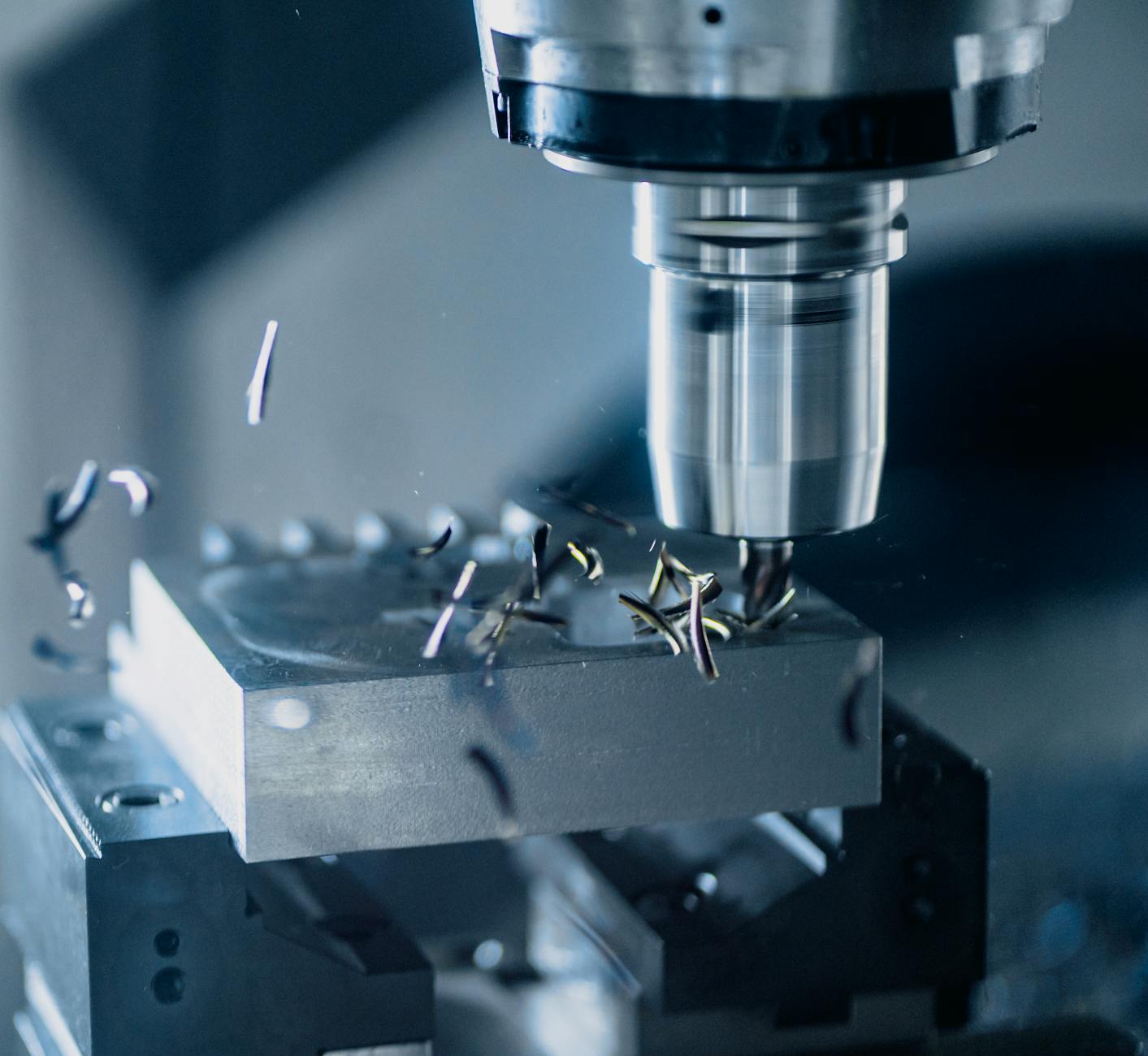
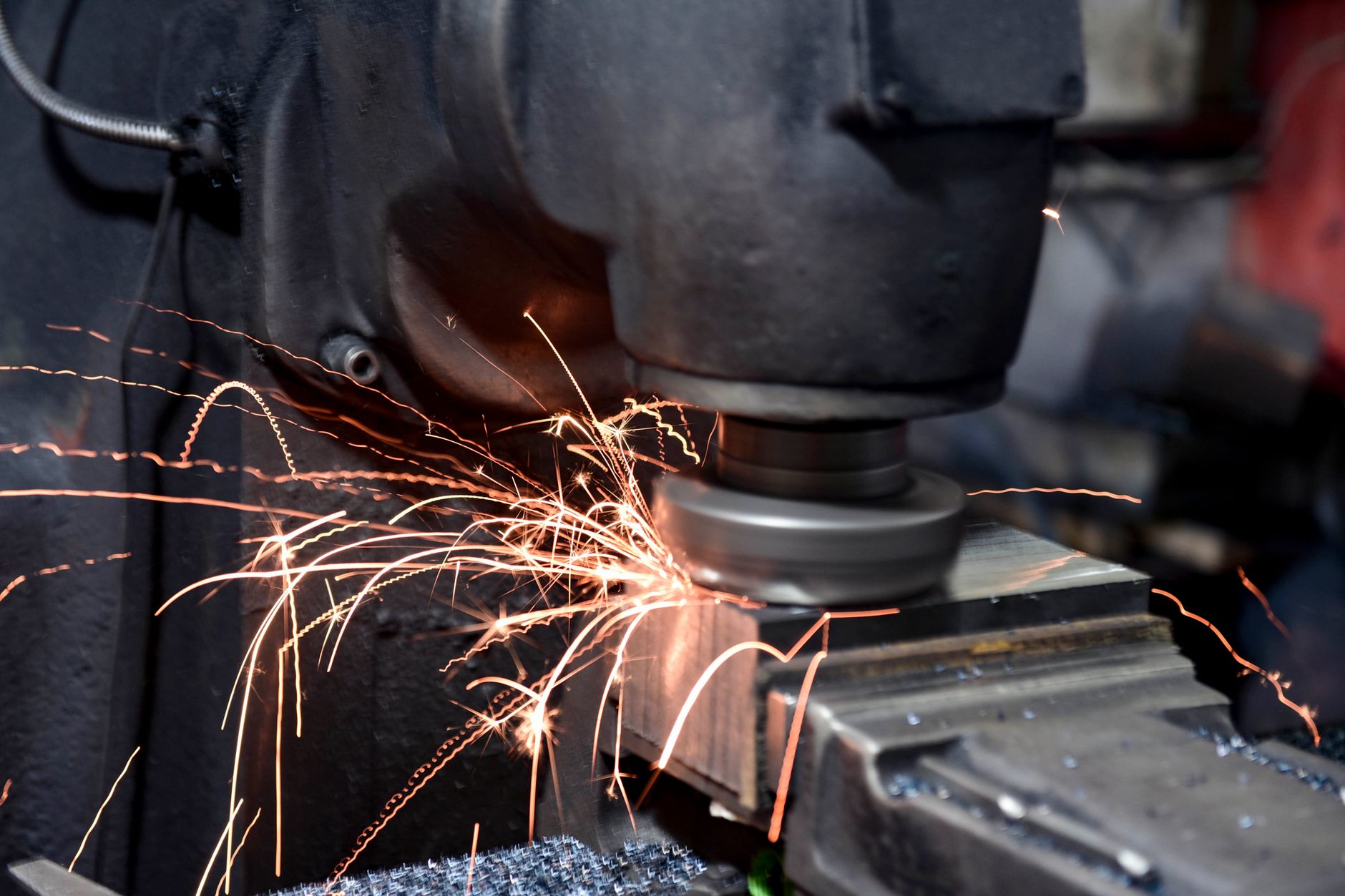

Press Brake Die Lifespan Basics
Typical Die Life Expectancies
Expected bend counts by tooling type:
- Standard tool steel dies: 50,000-150,000 bends
- High-carbon chromium dies: 150,000-300,000 bends
- Carbide dies: 300,000-500,000+ bends
- Premium alloy dies: 200,000-400,000 bends
Factors Affecting Die Life
Key variables that impact longevity:
- Material type: Stainless steel wears dies faster than mild steel
- Material thickness: Thicker materials increase wear
- Bend angle: Sharp bends cause more stress
- Lubrication: Proper lubrication extends die life
- Maintenance: Regular cleaning and inspection
Material Impact on Die Wear
Material Hardness Effects
Different materials cause varying wear rates:
- Mild steel (A36): Baseline wear rate
- Stainless steel: 2-3x faster wear than mild steel
- Aluminum: Lower wear but can cause galling
- Copper/brass: Moderate wear, watch for marking
- High-strength steel: 3-4x faster wear
Material Thickness Considerations
Thicker materials increase die stress:
- Increased tonnage requirements
- Higher contact pressure on die surfaces
- More heat generation during bending
- Accelerated wear at die radii
Signs of Die Wear
Visual Inspection Indicators
Check for these wear signs:
- Surface scoring: Visible scratches or grooves
- Radius changes: Worn or deformed bend radius
- Edge damage: Chipping or deformation at edges
- Discoloration: Heat spots from excessive friction
- Cracks: Any visible cracking requires immediate replacement
Quality Symptoms
Part quality issues indicating die wear:
- Inconsistent bend angles
- Increased springback variation
- Surface marking on parts
- Burrs on bend edges
- Difficulty achieving tight tolerances
Extending Die Life
Proper Lubrication
Lubrication best practices:
- Apply appropriate bending lubricant to material
- Use lubricant compatible with material type
- Reapply for extended production runs
- Clean dies before and after use
- Store dies with protective coating
Correct Tooling Selection
Match tooling to application:
- Use appropriate die material for workpiece
- Select proper die opening for material thickness
- Choose correct punch radius
- Consider coated tooling for abrasive materials
- Use segmented dies for complex parts
Die Maintenance Schedule
Daily Maintenance
End-of-shift care:
- Clean dies of debris and metal particles
- Inspect for visible damage
- Apply light protective oil
- Store in designated location
Weekly Inspection
Weekly checks:
- Detailed visual inspection
- Check for wear patterns
- Measure critical dimensions
- Document inspection results
When to Replace Dies
Replacement Criteria
Replace dies when:
- Part quality consistently out of tolerance
- Visible cracks or chips appear
- Wear exceeds manufacturer specifications
- Repair cost exceeds replacement cost
- Die geometry no longer meets requirements
Conclusion
Press brake die life depends on material, usage, and maintenance. Expect 50,000-500,000+ bends depending on tooling quality. Regular inspection, proper lubrication, and correct tooling selection maximize die life and maintain part quality.
FAQ
How often should press brake dies be replaced?
Replacement depends on usage. Monitor quality and inspect regularly. Typical replacement is after 100,000-300,000 bends for standard tooling.
What causes premature die wear?
Lack of lubrication, bending abrasive materials, excessive tonnage, and poor maintenance accelerate wear.
Can worn dies be repaired?
Minor wear can sometimes be reground. Severe wear or damage requires replacement.
How do I choose the right die material?
Match die material to your primary workpiece. Standard tool steel works for mild steel. Consider carbide or coated dies for stainless or high-volume production.